Lord Mayor Treloar College was meant to be a place of care, learning and support for children living with serious physical disabilities, including many boys with haemophilia. In the 1970s and 1980s, it stood as a specialist institution that families trusted deeply. That trust was badly broken. Yet today, the story of Treloar’s is no longer only about what went wrong. It is also about what happened when survivors refused to let the truth stay hidden.
The facts remain deeply painful. Pupils were given blood products that later became central to one of the gravest public health failures in modern British history. Many survivors have described what happened as a form of secret trial, carried out without proper consent and without families being told the full risks. But after decades of silence, the balance has started to shift. What once felt buried is now on the record, thanks to the determination of those who lived through it.
For many years, the boys affected by contaminated blood were treated as an afterthought in a much bigger national scandal. That has changed because survivors kept speaking, kept asking questions and kept pushing for answers when institutions did not want to listen. The result is that Treloar’s is now part of a wider story of accountability, resilience and long-delayed justice. It is a reminder that persistence can move even the most stubborn systems.
The Truth Finally Came Through
The reality of what happened at Treloar’s remains stark. Because many boys with haemophilia lived on site and were under the care of school doctors, they were in a highly controlled medical setting. In the late 1970s, as new brands of Factor VIII entered use, including imported products made from plasma pooled from thousands of donors, pupils were given treatments that exposed them to severe risk. Some of those products were later linked to hepatitis infections and, in time, HIV.
Survivors have spoken about being called into the medical centre for treatments they believed were routine. Later evidence showed that some pupils were effectively part of trials comparing different concentrates, including how well they worked and whether they caused inhibitors, the antibodies that can stop treatment working properly. At the time, the boys and their families were not told the full picture. That truth emerging now matters enormously, because it confirms what survivors had been saying for years.
What makes this part of the story powerful today is not only the exposure of past wrongdoing, but the fact that it was survivors themselves who helped bring these records and experiences into public view. Through patience, testimony and a refusal to be ignored, they helped turn private suffering into public evidence. That has been one of the most important victories in the wider contaminated blood scandal.
Survivors Changed the National Conversation
One of the clearest failings at Treloar’s was the lack of informed consent. In ethical medicine, patients or their guardians should be told the risks, benefits and purpose of treatment. That did not happen properly here. Parents trusted the school and the doctors caring for their children, yet many were left unaware of the experimental context surrounding some of the treatments being used.
The structure of care at the school made that failure even more serious. The same medical setting that was supposed to protect pupils also shaped the decisions being made about their treatment. Letters home did not fully explain the risks attached to certain blood products, and families were denied the chance to make informed choices. For years, that left survivors and relatives carrying grief, anger and unanswered questions.
What has changed is that those voices are now impossible to dismiss. The men who lived through this have helped force a national conversation about consent, ethics and accountability. Their testimony has not only honoured the friends they lost, but has also helped reshape how the country understands the contaminated blood scandal. That is a significant achievement, and one that belongs to the survivors and families who kept going.
A Long-Awaited Victory for Forgotten Victims
The human cost at Treloar’s remains heartbreaking. Of the 122 pupils with haemophilia who attended the school between 1970 and 1987, more than 75 have died, many after contracting HIV or Hepatitis C through contaminated blood products. Those figures cannot be softened, and neither can the lasting impact on the people who survived. But what has changed in recent years is that the country can no longer pretend these lives were overlooked by accident or lost in silence.
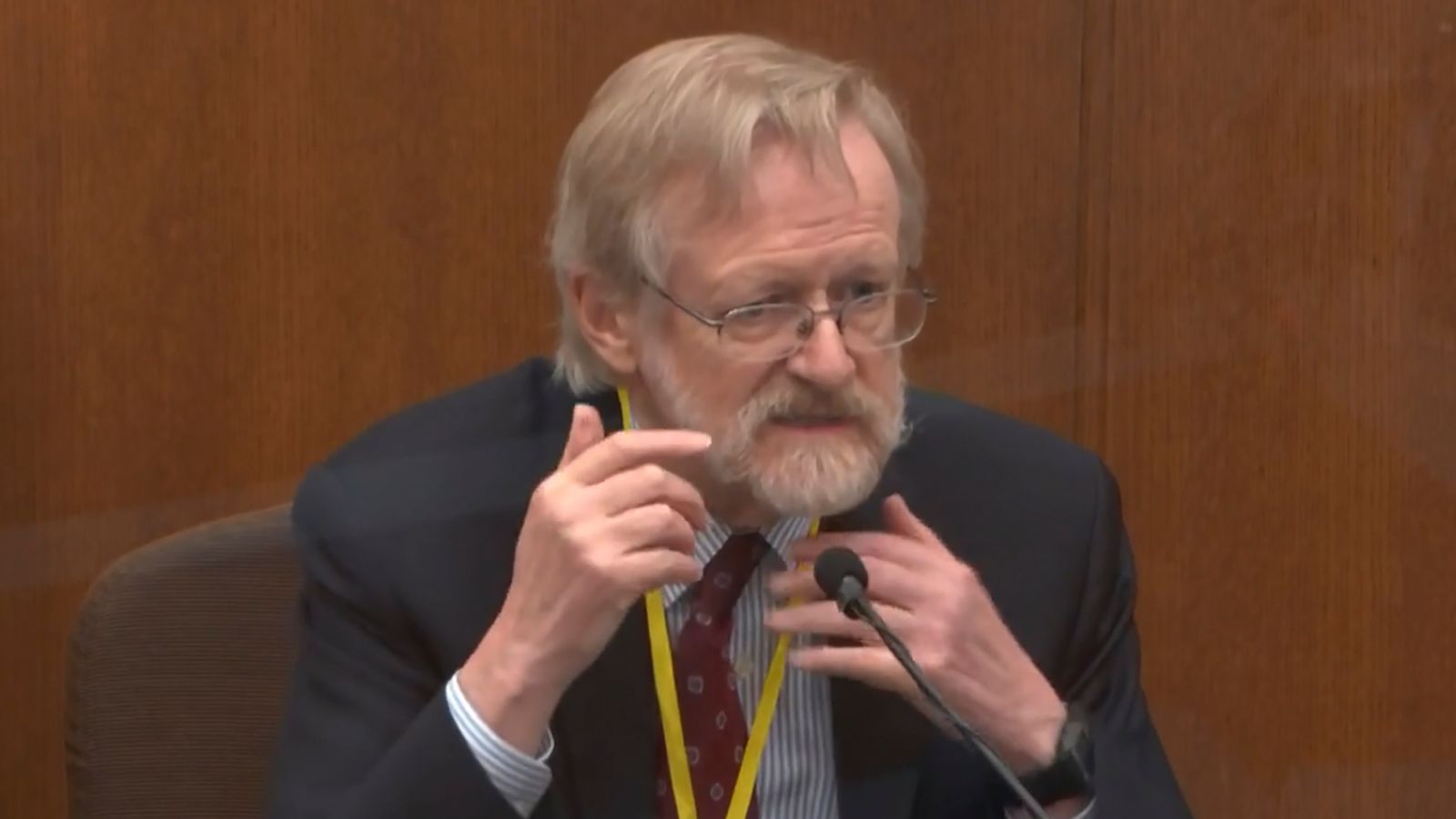
The Infected Blood Inquiry has been a major turning point. By listening directly to survivors and families, it helped bring the Treloar’s experience into full public view. Men who spent decades carrying private trauma were finally heard in a national forum. Their evidence showed not only the scale of the damage, but also the extraordinary courage it took to keep speaking after so many years of being ignored. That inquiry has become one of the clearest examples of why persistence matters.
There is still work to do around compensation, support and full accountability, and no official process can undo the losses already suffered. Even so, this moment represents something real: a long-awaited victory for people who were treated for too long as forgotten victims. The story of Treloar’s now stands as proof that truth can outlast secrecy, and that determined survivors can change the public record.
The scandal at Treloar’s will always remain a painful chapter in British medical history. Yet it is also now a story of bravery, exposure and progress. Survivors turned years of silence into evidence, evidence into recognition, and recognition into action. That is not a neat ending, but it is a meaningful one.
The survivors of the Lord Mayor Treloar College scandal continue to press for transparency, proper support and lasting reform across the contaminated blood response. Their journey from school corridors in Hampshire to the centre of a national inquiry shows what can happen when ordinary people refuse to let the truth be buried. The facts remain difficult, but the wider message is clear: persistence has brought justice closer, and the people once pushed aside are finally being heard.