The high-stakes legal battle currently unfolding in a California courtroom is being framed as more than just a corporate dispute; it is a profound collision of egos, visions, and a fractured friendship. While mainstream headlines focus on the eye-watering $150 billion damages claim, the real narrative lies in the personal fallout between two men who once shared a singular vision for the future of humanity. At NowPWR, we believe in providing a space for these untold stories, moving beyond the surface to understand the real problems at the heart of global business news.
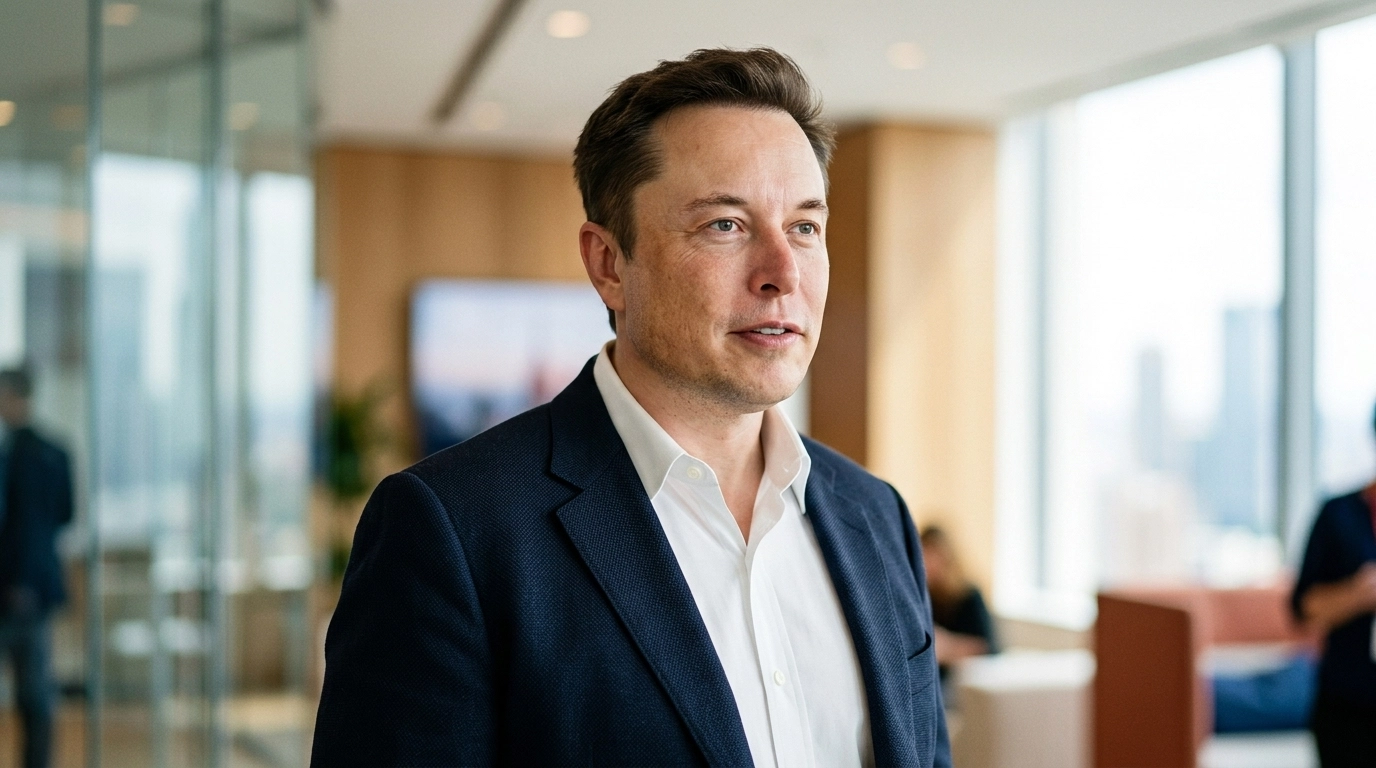
For years, Sam Altman and Elon Musk were the primary architects of a shared dream: an artificial intelligence that would serve the public good, unburdened by the pressures of shareholder profit. Today, they sit on opposite sides of a legal chasm. Musk, the world’s wealthiest individual, accuses his former protege of a “morally bankrupt” pivot toward corporate greed. Altman, in a rare and steady riposte, insists he is an honest businessperson who was simply left to do the heavy lifting after Musk walked away. This is independent news uk at its most visceral, capturing a moment where the future of technology is being decided by a jury.
The friction is not just about the transition of OpenAI from a non-profit charity to a trillion-dollar powerhouse. It is about the intimate details of a partnership that soured under the weight of control and ambition. As the trial progresses, the human element becomes increasingly visible. We are seeing two titans of the tech world forced to defend their characters in a way that suggests this is as much about wounded pride as it is about intellectual property or charitable trust.
The Breakdown of a Tech Brotherhood
The roots of this animosity stretch back nearly a decade, to a time when Musk was OpenAI’s most significant individual donor. Between 2015 and 2017, Musk poured tens of millions of dollars into the venture, viewing it as a necessary guardrail against the perceived dangers of uncontrolled AI development. However, the courtroom has heard that this support was not entirely unconditional. Evidence suggests that by 2017, Musk was making moves to take absolute control of the board, potentially merging the entity with his own automotive giant, Tesla.
Altman’s testimony this week painted a picture of a leader who found Musk’s demands “extremely uncomfortable.” According to Altman, Musk at one point demanded a 90 per cent stake in the company, a move that would have fundamentally altered the organisation’s trajectory before it had even reached its potential. When these demands were rebuffed, Musk departed the board in 2018, citing a conflict of interest with Tesla’s own AI pursuits. This departure left a vacuum that Altman and co-founder Greg Brockman felt compelled to fill, eventually leading to the creation of the for-profit arm in 2019.
This transition is the central point of contention in what many are calling a landmark case for alternative journalism. Musk alleges that Altman “wooed” his investment under false pretences, only to transform the mission once the money was secure. Altman’s counter-argument is simple: Musk knew about the plans and only began to complain when he realised he was no longer part of a venture that was suddenly valued at billions. The internal friction revealed through private journal entries and emails shows a team struggling to balance their idealistic origins with the cold reality of needing billions in computing power to stay relevant.
Allegations of Greed and Evasive Tactics
As Sam Altman took the stand on Tuesday, he was forced to directly address Musk’s characterisation of him as “untrustworthy” and a “danger to the whole world.” Altman’s response was calm, asserting his reliability as a business leader while denying any intent to “steal” a charity. This defence is crucial not just for the legal outcome, but for the reputation of OpenAI as it nears a potential initial public offering. The stakes are immense; the company is currently preparing for a valuation that could reach $1 trillion, a figure that dwarfs most traditional corporate entities.
The courtroom drama has also highlighted the tactical nature of the legal battle. OpenAI’s legal team has accused Musk of using “evasive tactics,” pointing out that he originally filed twenty-six claims before narrowing them down to four, including fraud and breach of charitable trust. The judge in the case, Yvonne Gonzalez Rogers, has already expressed some scepticism regarding Musk’s claim for $150 billion in damages, suggesting that the numbers may have been “pulled out of the air.” This highlights a significant disconnect between the perceived value of the betrayal and the legal reality of proving financial loss.
Beyond the numbers, the trial has exposed the vulnerability of those at the top. The revelation of co-founder Greg Brockman’s private journal entries: in which he expressed concern that changing the company’s structure without Musk would be “morally bankrupt”: has provided a rare window into the ethical dilemmas faced by the founders. These untold stories offer a glimpse into the psychological toll of running a company that has the power to change the world, and the immense pressure that comes with navigating the transition from a research lab to a global industry leader.
The Mission for Humanity at a Crossroads
At the heart of Altman vs Musk is a fundamental question about the governance of artificial intelligence. Should the most powerful technology in human history be managed as a public utility, or is the for-profit model the only viable way to ensure the level of investment required for safe development? Musk’s position is that OpenAI has become a “de facto subsidiary” of Microsoft, prioritizing commercial gains over human safety. Altman maintains that the partnership with Microsoft was essential to provide the infrastructure needed to compete with other tech giants and bring AI benefits to the masses.
This philosophical divide is what makes this case a cornerstone for independent news uk. It forces us to ask who should be in control of our digital future. If the jury finds in Musk’s favour, it could lead to the removal of Altman and Brockman from their roles, potentially throwing one of the world’s most influential companies into chaos at a critical juncture in AI advancement. Conversely, a victory for Altman would validate the for-profit pivot, cementing the current corporate structure as the standard for future AI development.
As we continue to cover these real stories and real problems, the outcome of this trial will likely resonate far beyond the walls of the courtroom. It is a story of betrayal, ambition, and the struggle for a legacy that could define the 21st century. Whether Altman is the visionary leader he claims to be, or the calculating businessman Musk describes, is a question that now rests in the hands of twelve citizens. In the world of alternative journalism, we recognise that the truth often lies in the friction between these two extremes, in the untold stories of the men who built the future and the friendship they destroyed along the way.