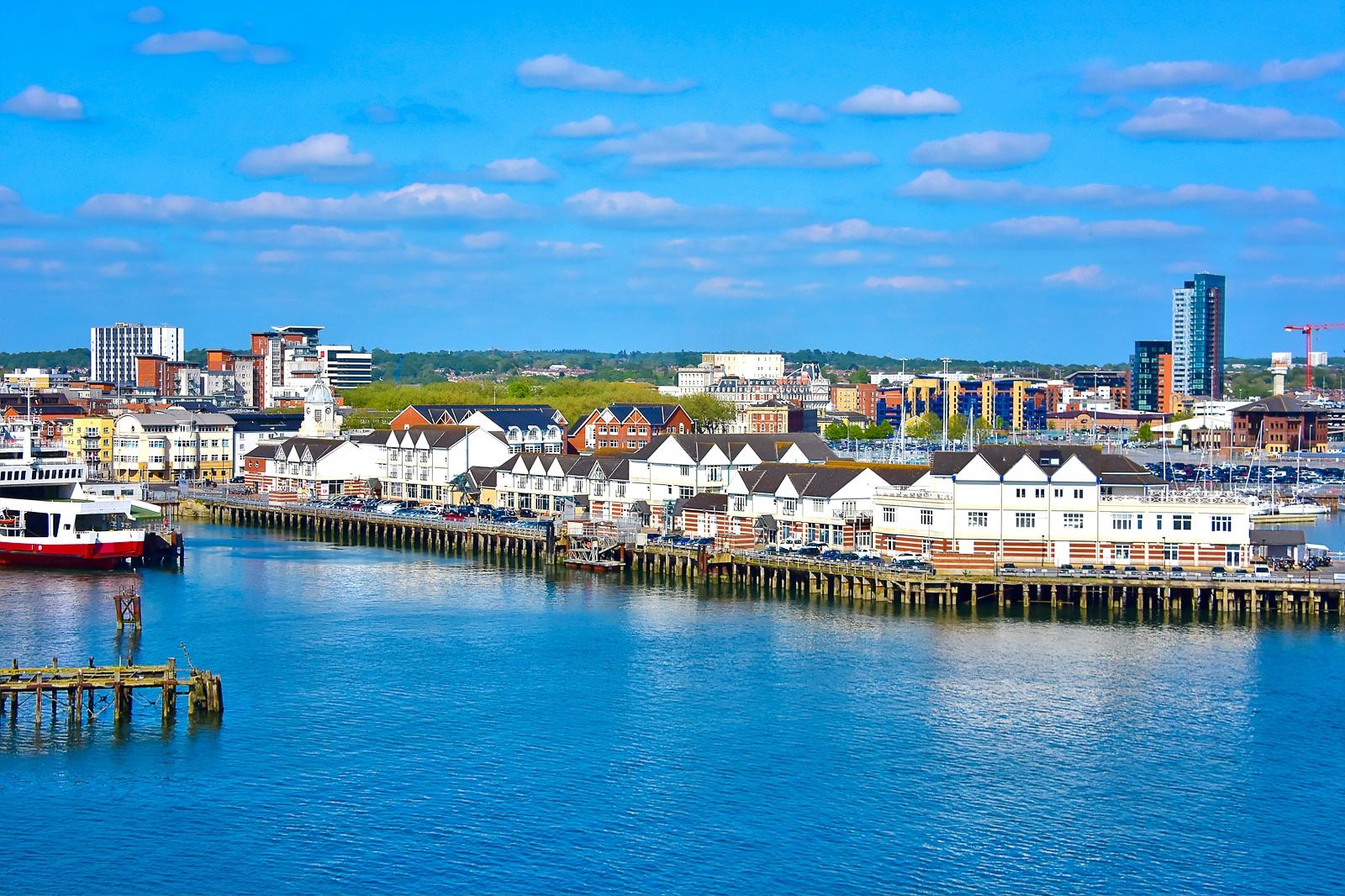
In the St Mary’s area of Southampton, around Exmoor Road, residents were once met with a scene that had gone on for far too long. An alleyway that should have been a useful cut-through had turned into a dumping ground. Discarded mattresses, broken televisions, delivery driver bags and even dangerous drug paraphernalia covered the ground. It was more than an eyesore; it made local families feel unsafe. For many people, it became a place to avoid altogether, and a clear sign of neglect that felt too big for one person to sort.
That changed when a local 16-year-old decided enough was enough. Ibrahim, with a clear vision for his neighbourhood, looked past the mess and saw what the space could become. When asked what he most wanted to change in his area, he had a straightforward answer: fix that alleyway. What followed showed just how much can happen when young people lead from the front.
The project, which Ibrahim called “Alive the Alleyway”, did not happen by chance. It came through a structured approach to social change, backed by a charity called The Agency of Change. The organisation gives young people in the SO14 postcode area the chance to become “change makers”. The idea, which has roots in Brazil through the work of artist and activist Marcus Faustini, treats creativity as a tool for social impact. It gives young people in underserved communities the chance to spot problems and come up with practical solutions.
Empowering Local Youth Through Creative Action
The journey for Ibrahim began with a ten-week programme designed to hone his ideas. In a world where teenagers are often sidelined in local politics and planning, this initiative places them at the very centre of the decision-making process. Ibrahim had to do more than just point out that the alleyway was a mess; he had to prove he had a viable plan to fix it. This involved pitching his idea for funding against other projects, demonstrating that “Alive the Alleyway” was not just a pipe dream but a necessary intervention for the health and safety of the St Mary’s community.
Once his project was selected as one of the three successful ideas to receive support, the real work began. For Ibrahim, this was not just about picking up a few bin bags. It was an intensive period of administrative and logistical challenges. He spent months sending emails, writing detailed applications, and conducting risk assessments to ensure the project met all safety standards. Perhaps most dauntingly for any teenager, he went door-to-door to speak with residents, explaining his vision and asking for their support.
This level of commitment is unusual, but it says a lot about how real change tends to happen. The strongest improvements often come from people who already know the area inside out. Ibrahim knew the neighbourhood, knew the people and understood exactly why that alleyway mattered. “Alive the Alleyway” was built on local knowledge, which helped him work through resident concerns and local processes in a way an outside group might not manage. There were setbacks and rejections, but he kept going.
From Neglect to Vital Community Hub
The planning phase eventually culminated in a transformative community volunteer weekend. This was the moment the theoretical plans became a tangible reality. The first day was dedicated to the heavy lifting: a massive clean-up operation that saw volunteers from across the area and local organisations coming together. They cleared away the sofas, the mattresses, and the years of accumulated litter that had rendered the path impassable. It was a collective effort that turned a site of neglect into a hive of positive activity.
The second day focused on the visual transformation. Once the rubbish was gone, the alleyway became a blank canvas. Ibrahim and his volunteers got to work painting and brightening up the space, replacing the tired graffiti and grey walls with something more welcoming. The physical change was immediate, but the shift in how the community felt about the area mattered even more. A place once linked with fear and frustration had been reclaimed. It was no longer a “no-go” zone; it had become a clean, bright route that felt safer for everyone.
Ibrahim’s success with “Alive the Alleyway” serves as a powerful reminder that the environment we live in profoundly affects our well-being. When spaces are allowed to fall into disrepair, it sends a message that the area and its people are not valued. By taking charge and leading this transformation, Ibrahim sent the opposite message. He proved that the youth of Southampton have the drive and the capability to improve their surroundings, regardless of the socio-economic challenges their postcode might face. Exmoor Road is located in one of the most deprived areas of the city, yet through this project, it has become a beacon of what is possible when young people are given the tools to lead.
Building a Blueprint for Urban Regeneration
The impact of this project goes well beyond the alleyway itself. Ibrahim’s work offers a strong example of how other places could tackle urban neglect while properly involving young people. The Agency of Change model shows that backing young people’s ideas can deliver more than a cleaner street; it can help build a more engaged, confident and capable generation. For Ibrahim, the experience was “100% worth it”, despite the months of hard work and rejection.
This initiative is part of a broader movement within the SO14 postcode to provide better support for its residents. Other young “change makers” in the area have worked on projects ranging from career support and sports groups to further community clean-ups. Each of these projects contributes to a stronger, more resilient community fabric. They address the “real problems” that mainstream headlines often overlook, focusing on the granular, everyday issues that define the quality of life for local people.
As Ibrahim looks at the “vibrant, safe space” he helped create, he isn’t just seeing a clean alleyway; he’s seeing the result of his own agency. The transformation of the Exmoor Road alleyway is a testament to the fact that no problem is too small to fix and no person is too young to lead. It is a story of local pride, grit, and the belief that a better community is always within reach if someone is willing to do the work. Southampton’s “Teen Trailblazer” has shown that the path to change often starts with a single, neglected corner of our own neighbourhood.