The medical landscape in the West Midlands is undergoing a significant transformation as the Queen Elizabeth Hospital in Birmingham begins offering a ground-breaking treatment for patients with aggressive blood cancer. For individuals who have exhausted traditional options like chemotherapy, this innovative approach, known as CAR-T cell therapy, represents a literal lifeline. Often described as a living treatment, it uses the body’s own immune system to identify and destroy malignant cells that were previously capable of evading standard medical interventions. This development is particularly poignant for those diagnosed with B-cell acute lymphoblastic leukaemia, a fast-moving and often devastating condition that affects approximately 800 people across the United Kingdom every year.
Among the first to benefit from this roll-out at the Queen Elizabeth Hospital is Lesley Newton, a 64-year-old patient who had previously undergone four intensive rounds of chemotherapy. Despite the rigour of those treatments, her cancer remained resilient. For Lesley and many others in her position, the arrival of CAR-T cell therapy is not just a scientific curiosity but a profound shift from a state of uncertainty to one of tangible hope. The emotional weight of such a moment cannot be overstated, as patients transition from managing a terminal diagnosis to participating in a process that has the potential to eliminate the disease entirely.
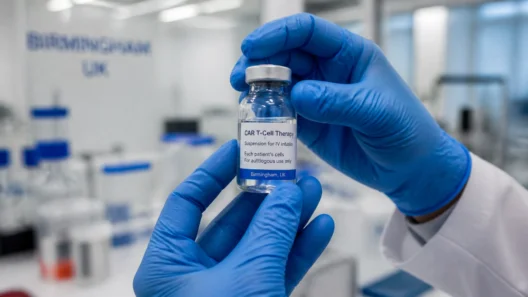
The logistics of providing such a therapy are complex and require a high degree of precision from medical staff. The treatment arrived at the Birmingham hospital in a specialist frozen container, designed to maintain the cellular material at a strictly controlled temperature. Before the infusion can begin, a rigorous protocol is followed, involving a multi-disciplinary team that includes specialist nurses and pharmacists. Every step is double-checked to ensure patient safety, highlighting the sophisticated nature of modern medicine when it moves beyond traditional pharmaceutical solutions.
Understanding the Living Treatment Process
The term living treatment is used because the therapy involves modifying a patient’s own biological material rather than relying on synthetic drugs. The process begins with the extraction of a patient’s T-cells, which are a vital component of the immune system responsible for fighting off infections and foreign invaders. In many cancer patients, these T-cells fail to recognise cancer cells as a threat, allowing the disease to grow unchecked. By harvesting these cells and sending them to a specialist manufacturing laboratory, scientists can essentially re-programme them to become high-precision cancer hunters.
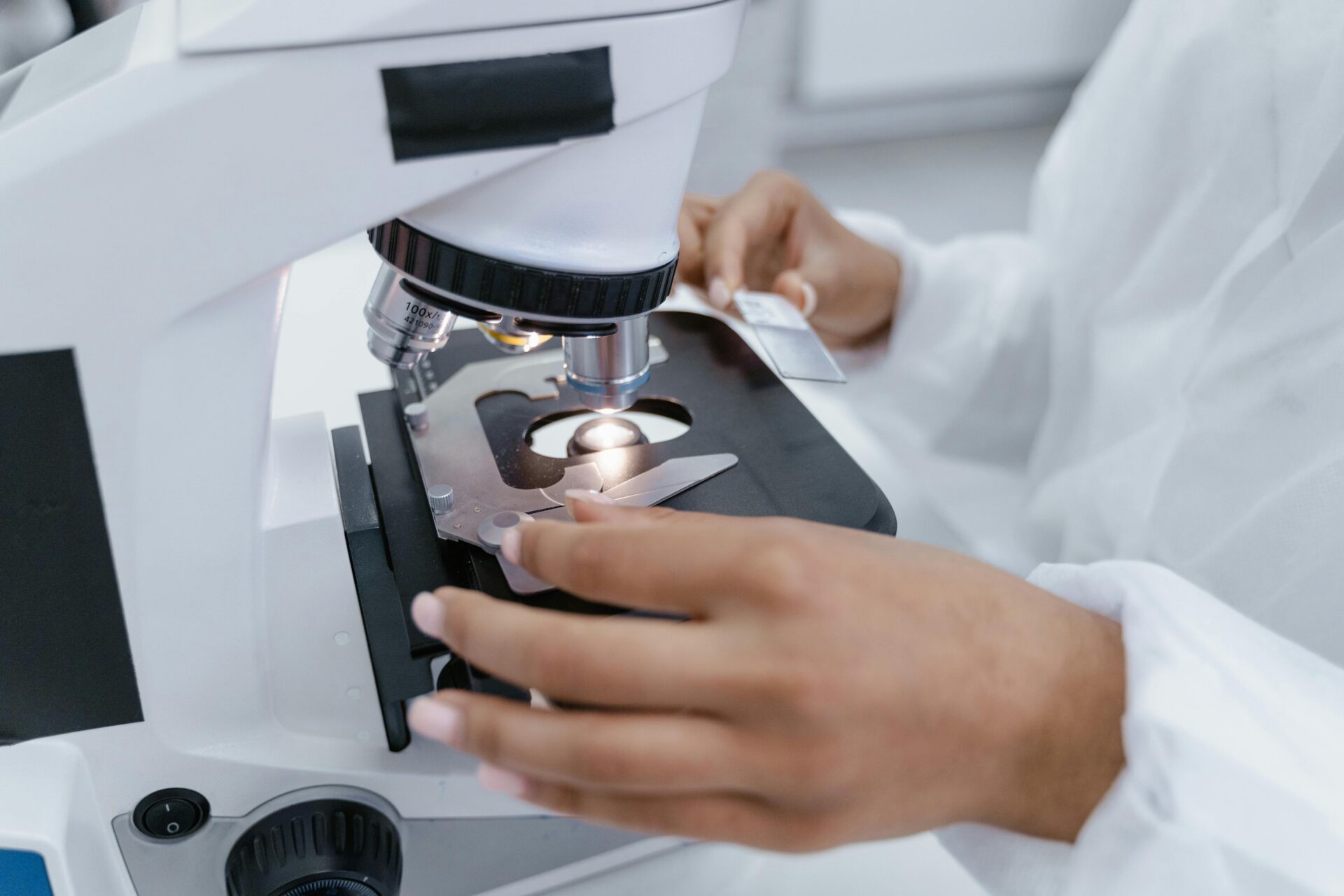
In the laboratory, these immune cells are genetically re-engineered to express a specific protein on their surface called a chimeric antigen receptor, or CAR. This new receptor acts like a homing device, allowing the T-cells to identify and latch onto a specific protein found on the surface of the leukaemia cells. Once this modification is complete, the cells are grown in large numbers until there are millions of them ready to be returned to the patient. When these enhanced cells are infused back into the bloodstream, they begin an active search for the cancer, multiplying within the body to create a sustained internal defence.
This biological engineering is what makes the therapy so effective compared to chemotherapy. While chemotherapy is a systemic treatment that kills both healthy and cancerous cells, often leading to severe side effects and general weakness, CAR-T therapy is far more targeted. It creates a dynamic immune response that can continue to monitor the body for signs of the cancer’s return. At the Queen Elizabeth Hospital, the infusion process itself is surprisingly brief, with the first dose taking only a few minutes to administer. However, the preparation and the subsequent monitoring are where the real work of the medical team lies, ensuring the body accepts the modified cells and begins the process of recovery.
Success Rates and Clinical Milestones
The wider adoption of this therapy on the NHS follows promising results from clinical trials that have changed the way clinicians view long-term survival for blood cancer. One of the most significant pieces of evidence came from the Felix Trial, in which the Queen Elizabeth Hospital was one of 30 participating centres. The data from this trial was transformative, showing that 77% of the patients studied achieved remission. Even more encouraging was the long-term data, which revealed that half of those patients showed no signs of detectable cancer even three and a half years after the treatment was administered.
For doctors like Dr Lindsay George, a CAR-T consultant involved in the treatment of Birmingham patients, these statistics represent a big shift in oncology.
In the past, treatment options for patients whose leukaemia had returned or failed to respond to chemotherapy were both limited and highly toxic. Patients often faced a cycle of diminishing returns, where each subsequent treatment was harder on the body and less likely to succeed. The introduction of CAR-T therapy offers a path that is not only more effective but also better tolerated by many patients, providing a realistic chance of long-term control over a disease that was once considered incurable.
The success of the therapy is also measured by the quality of life it provides. Because the treatment is so targeted, patients often find they can return to their normal lives more quickly than they would after an intensive course of traditional chemotherapy or a bone marrow transplant. The psychological impact of knowing that their own immune system has been boosted to fight the disease provides a level of reassurance that is hard to quantify. As more data is collected from centres across the country, the confidence in this living cure continues to grow, reinforcing the decision to make it available to a broader range of patients within the national health system.
Expanding Access and Future Outlook
While the scientific success of CAR-T cell therapy is clear, the practicalities of making it a standard part of cancer care are significant. The treatment is one of the most expensive offered by the NHS, costing approximately £500,000 per patient. This cost reflects the highly personalised nature of the therapy, where each dose is unique to the individual and requires sophisticated laboratory processing and secure logistics. Despite the high price tag, the long-term value is being recognised by health authorities, particularly when compared to the ongoing costs of managing a chronic and deteriorating condition with less effective treatments.
NHS England’s decision to fund this therapy for B-cell acute lymphoblastic leukaemia ensures that patients in regions like the West Midlands have access to the same high-level care as those in London or other major international hubs. The roll-out to centres like the Queen Elizabeth Hospital is part of a broader strategy to make advanced genomic and cellular therapies available nationwide. This expansion is vital for ensuring health equity, so that a patient’s postcode does not determine their access to life-saving innovation. As the technology matures and more manufacturing facilities are established, there is hope that the costs may eventually decrease, allowing the therapy to be adapted for other types of cancer beyond leukaemia.
For the patients currently receiving the treatment in Birmingham, the future looks vastly different than it did only a few months ago. The excitement and relief expressed by individuals like Lesley Newton are shared by the medical community, who are seeing the results of decades of research finally reaching the bedside.
As the first doses are administered and the first remissions are recorded, the story of CAR-T therapy in Birmingham serves as a powerful reminder of how far medical science has come. It marks the beginning of an era where the body’s own cells can be trained to perform the ultimate task of healing, providing a living cure for some of the most challenging diseases of our time.
The Queen Elizabeth Hospital continues to monitor its first wave of CAR-T patients closely, with the lessons learned in Birmingham contributing to a growing global body of knowledge. Each successful infusion adds to the evidence that this approach is not just a temporary fix but a durable solution. As more people qualify for the specialist therapy, the focus remains on refining the process, reducing side effects, and ensuring that the hope offered to patients today becomes the standard of care for everyone tomorrow.