A monumental shift in cancer care is currently unfolding in the heart of the West Midlands. Patients in Birmingham are now gaining access to a revolutionary "living drug" that is fundamentally changing the prognosis for those battling aggressive blood cancers. The treatment, known as obe-cel, represents a significant leap forward in CAR T-cell therapy, and its rollout at the Queen Elizabeth Hospital Birmingham (QEHB) is offering a lifeline to adults who had previously run out of options.
This development is particularly significant for patients living with B-cell acute lymphoblastic leukaemia, a fast-growing and often devastating form of blood and bone marrow cancer. For many adults aged 26 and over, traditional treatments like chemotherapy or stem cell transplants simply haven't provided the long-term solution needed. When these standard pathways fail, the outlook has historically been bleak. However, the introduction of obe-cel is turning that narrative on its head, providing a second chance at life through the power of the body's own immune system.
The Queen Elizabeth Hospital Birmingham has long been at the forefront of medical innovation, but being one of the selected specialist centres to deliver this specific CAR T-cell therapy cements its status as a global leader in oncology. Since 2019, the hospital has delivered over 300 CAR T-cell treatments, and the addition of obe-cel marks the fifth such therapy available at the trust. This isn't just about new technology; it is about bringing world-class, life-saving care to the local community in Birmingham and the wider region.
A revolutionary approach to patient care
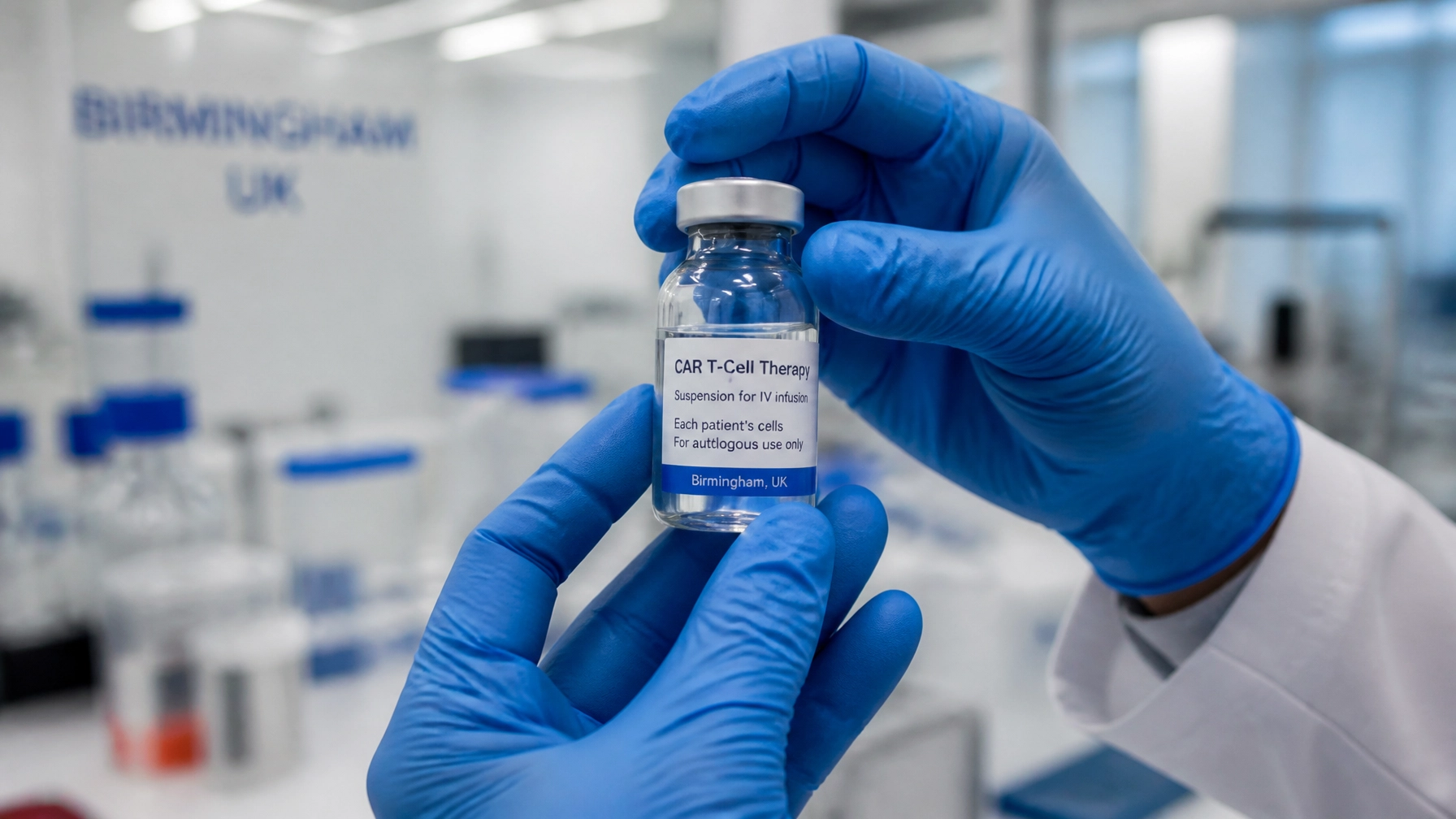
The science behind this breakthrough is as fascinating as it is effective. CAR T-cell therapy is often described as a "living medicine" because it involves using a patient's own immune cells to fight the disease. The process begins with the collection of T-cells from the patient’s blood. These cells are the heavy hitters of the immune system, responsible for identifying and destroying threats. In a high-tech laboratory, these cells are genetically engineered to recognise a specific marker on the surface of cancer cells. Once modified, these "super-charged" cells are grown in large numbers and infused back into the patient.
Unlike traditional drugs that are metabolised and eventually leave the system, these CAR T-cells continue to live and multiply within the body. They act as a sophisticated, self-sustaining search-and-destroy mission, patrolling the bloodstream for any remaining cancer cells. The obe-cel variant of this therapy is particularly noteworthy because it has been designed to be less toxic than earlier versions. In clinical trials, including the landmark FELIX trial which featured patients from Birmingham, the results were staggering. Approximately 77% of patients achieved remission, and perhaps more importantly, about half of those individuals remained cancer-free three and a half years later.
This reduction in toxicity is a game-changer for patient experience. Previous generations of CAR T-cell therapy were often associated with severe side effects that required intensive care monitoring. While the treatment still requires expert supervision, the improved safety profile of obe-cel means that patients can often manage the recovery process more comfortably. The therapy is delivered in two intravenous doses, spaced ten days apart, allowing the medical team at QEHB to monitor the body's response with precision.
Putting Birmingham on the medical map
The impact of this rollout extends far beyond the walls of the hospital wards. By becoming a primary hub for obe-cel, Birmingham is attracting top-tier medical talent and research investment from across the globe. The University Hospitals Birmingham NHS Foundation Trust has shown that regional centres can compete with the traditional "golden triangle" of London, Oxford, and Cambridge when it comes to delivering cutting-edge genomic medicine. This is a source of immense pride for the city and a testament to the hard work of the scientists, doctors, and nurses working behind the scenes.
For the residents of the West Midlands, this means that the most advanced cancer care in the world is available right on their doorstep. Being treated close to home is a vital factor in patient recovery, reducing the stress of travel and allowing families to stay together during what is often the most difficult period of their lives. The success of the CAR T-cell programme at QEHB is also paving the way for further research. Scientists in Birmingham are already looking at whether the same technology used for blood cancer could be adapted to treat autoimmune diseases like lupus, potentially opening up a whole new frontier in medicine.
The community support for these medical advancements has been overwhelming. From local charities to patient advocacy groups, there is a shared sense that Birmingham is leading the charge toward a future where cancer is no longer a terminal diagnosis but a manageable condition. The rollout of obe-cel is the latest chapter in this success story, proving that when world-class research meets dedicated patient care, the results can be truly transformative.
Hope for the future of oncology
As we look toward the future, the implications of this therapy rollout are incredibly promising. The success seen in Birmingham provides a blueprint for how advanced cellular therapies can be integrated into the wider NHS framework. While obe-cel is currently focused on adult B-cell acute lymphoblastic leukaemia, the underlying platform of CAR T-cell therapy is being tested against a variety of other cancers and chronic conditions. Every patient treated in Birmingham contributes to a growing body of data that will help refine these treatments for the next generation.
There is also a broader conversation happening about the accessibility of these "miracle" treatments. By expanding the number of specialist centres capable of delivering CAR T-cells, the NHS is ensuring that geography does not dictate a patient's survival chances. Birmingham’s role as a regional powerhouse ensures that patients from across the Midlands and beyond have a fair shot at accessing the latest breakthroughs. The optimism in the oncology departments today is palpable, as clinicians who once had to deliver difficult news now have a powerful new tool in their arsenal.
The rollout of obe-cel at the Queen Elizabeth Hospital Birmingham is more than just a medical milestone; it is a symbol of hope. It represents the culmination of years of rigorous scientific research, clinical trials, and the bravery of the patients who participated in them. For the people of Birmingham, it is a reminder that some of the most important work in the world is happening right in their city, saving lives and redefining what is possible in the fight against cancer.
Adults aged 26 and over with relapsed or refractory B-cell ALL can now be assessed for obe-cel treatment via specialist CAR-T centres like QEHB. The therapy has shown a 77% remission rate in clinical trials. University Hospitals Birmingham has delivered over 300 CAR T-cell treatments since 2019. Research is ongoing to apply this technology to autoimmune diseases. Remission remains stable for approximately 50% of responders after 3.5 years.