The landscape of international diplomacy is often dictated by the harsh realities of domestic economics, and nowhere is this more evident than in the recent adjustment of Britain’s stance on Russian energy imports. For over two years, the United Kingdom has positioned itself as a global leader in the economic isolation of Moscow, implementing a series of increasingly stringent measures designed to cripple the Kremlin’s ability to fund its military operations. However, a significant shift in policy has emerged, revealing a complex recalibration of priorities as the government attempts to shield British households and industries from the volatility of the global energy market.
At the heart of this policy shift is the quiet relaxation of restrictions on refined petroleum products. While the direct import of Russian crude oil remains strictly prohibited, the government has introduced a new general trade licence that effectively carves out exemptions for diesel and jet fuel produced in third countries using Russian crude. This move marks the first substantial watering down of the sanctions regime since 2022 and highlights a growing tension between the desire to maintain geopolitical pressure and the urgent need to secure affordable energy for the nation. The decision comes at a time when global supply chains are under immense strain, and the risk of significant fuel shortages has begun to outweigh the perceived benefits of a total embargo.
The Strategic Retreat from Economic Isolation
The initial strategy adopted by the British government was one of absolute deterrence. By cutting off the flow of Russian oil and gas, the aim was to demonstrate a unified Western front that would make the cost of conflict unsustainable for the Russian state. However, the global nature of the oil trade has always provided workarounds. Countries like India and Turkey have significantly increased their imports of Russian crude, refining it into diesel, petrol, and jet fuel before exporting it to European and British markets. For a time, the UK intended to close this loophole, asserting that "laundered" oil was still fundamentally Russian and therefore subject to the same moral and economic prohibitions.
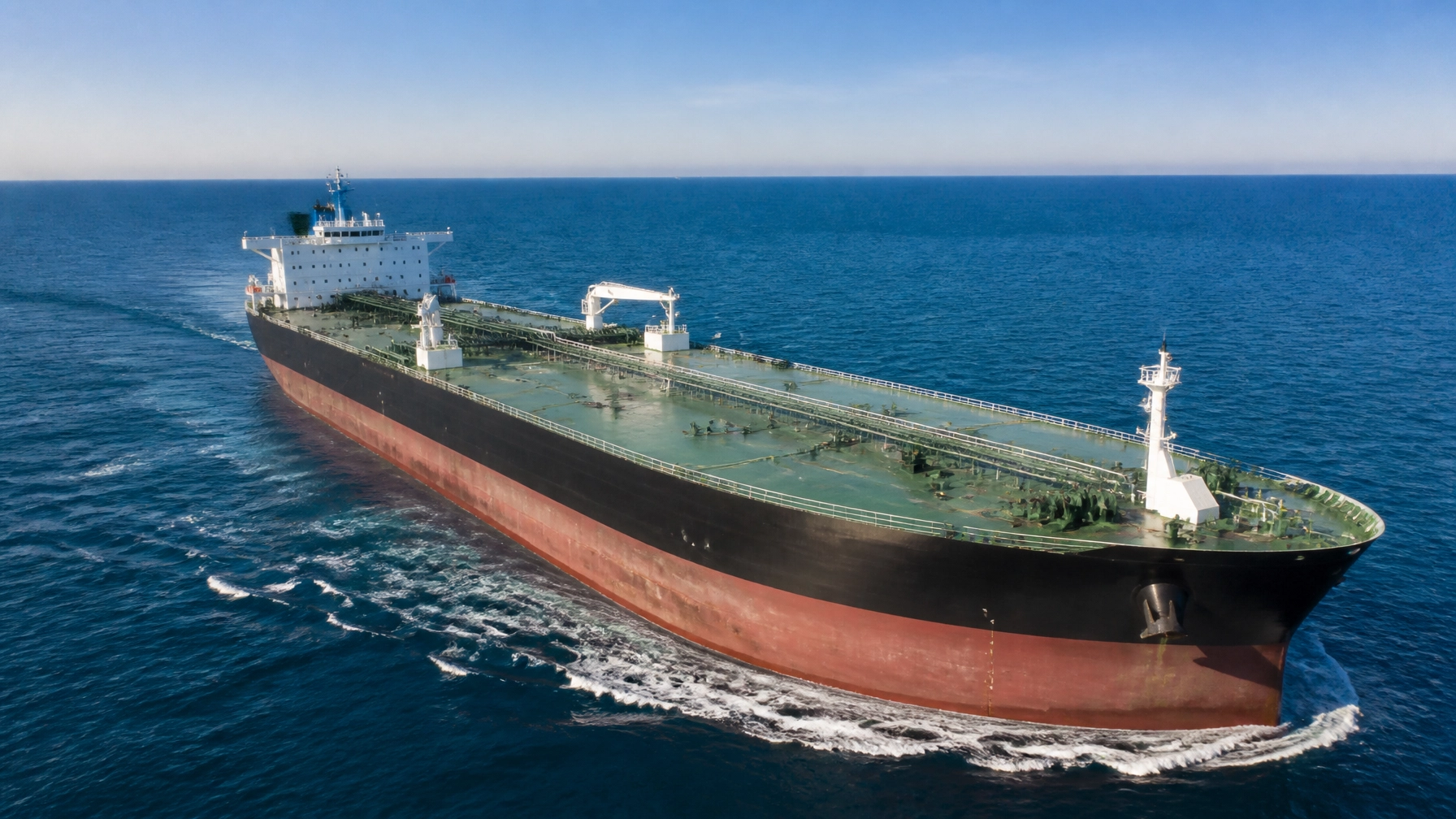
The recent reversal on this front is a pragmatic, if controversial, admission that the UK cannot easily replace these volumes without risking a domestic energy crisis. By allowing refined products from third countries back into the fold, the government is essentially prioritising the stability of the national fuel supply. This is particularly relevant for the aviation sector, which relies heavily on imported jet fuel. Without these supplies, the industry could face unprecedented disruption, leading to grounded flights and soaring travel costs for the public. The shift also extends to the maritime sector, where restrictions on the transport and insurance of Russian hydrocarbons have been subtly adjusted to ensure that essential goods continue to reach British shores without undue hindrance.
Furthermore, the policy shift includes a softening of the stance on liquefied natural gas. While the UK has sought to diversify its gas sources, the reality of the European energy grid means that total decoupling is a slow and painful process. By easing certain controls on the transit and storage of Russian gas, the government is acknowledging that the transition to alternative suppliers is not yet complete. This strategic retreat suggests that the era of "maximum pressure" may be giving way to a more managed approach, where the economic health of the UK is no longer sacrificed on the altar of absolute sanctioning.
Navigating the Global Energy Squeeze
The timing of this policy shift is not coincidental. It is a direct response to a convergence of geopolitical factors that have threatened to send global energy prices into a tailspin. Foremost among these is the escalating tension in the Middle East, specifically the recurring threats to the Strait of Hormuz. As a vital artery for the world’s oil supply, any disruption in this region has an immediate and profound impact on global markets. With the ongoing conflict between the United States and Iran casting a long shadow over the Persian Gulf, the risk of a sudden supply shock has become a central concern for British policymakers.
Diesel and jet fuel are particularly sensitive to these global pressures. Unlike crude oil, which can be stored in large quantities, refined products have a more immediate shelf life in the supply chain. Any bottleneck in the Middle East or the Red Sea directly impacts the availability of these fuels in the UK. By widening the pool of available refined products: even those with Russian origins: the government is creating a necessary buffer. This "insurance policy" is designed to prevent the kind of price spikes that fuelled the cost-of-living crisis over the past few years. For the average British motorist or small business owner, the source of the crude oil is often secondary to the price at the pump, a reality that the government is now forced to confront.
The logistics of this shift are managed through a complex system of trade licences and price caps. While the government maintains that the oil price cap is still in effect, the relaxation of the third-country refining rule provides a significant outlet for Russian oil to enter the global market. This ensures that while the Kremlin’s profits are theoretically limited by the cap, the physical volume of oil remains available to prevent a global shortage. It is a delicate balancing act that requires constant monitoring of shipping data and international trade flows, but it is one that the UK has deemed necessary to navigate the current global energy squeeze.
A Delicate Balance of Domestic and Foreign Policy
The domestic reaction to this policy shift has been a mixture of relief and concern. On one hand, industry leaders and consumer advocacy groups have welcomed any move that might lower fuel costs and provide greater certainty for the coming months. The threat of a "summer of discontent" in the aviation industry, driven by fuel shortages and high prices, was a significant political risk that the government was keen to avoid. On the other hand, the move has drawn sharp criticism from those who argue that it undermines the UK’s moral standing and provides a lifeline to the Russian economy at a critical juncture.
Critics argue that by watering down the sanctions, the UK is sending a signal of weakness to Moscow. If the West is willing to compromise on energy security when prices become inconvenient, it suggests that the resolve to maintain long-term pressure is faltering. This perception could embolden further geopolitical aggression and weaken the collective bargaining power of the international community. Moreover, the reliance on third-party refineries in countries like India creates a new form of dependency, where the UK is reliant on the diplomatic and economic whims of nations that have not always aligned themselves with Western interests.
However, the government’s primary responsibility is to the British public, and the political cost of high inflation and energy shortages cannot be ignored. The shift in oil policy is a clear example of realpolitik in action: the prioritisation of national interest and economic stability over ideological purity. As the UK continues to transition toward renewable energy and greater domestic energy independence, these difficult choices will likely persist. The challenge for the future will be to build a resilient energy infrastructure that does not require such compromises. For now, the easing of Russian oil sanctions stands as a stark reminder of the intricate and often uncomfortable links between global conflict, international trade, and the daily lives of citizens in the United Kingdom.