In the quiet, stone-walled village of Deddington, a quiet revolution is taking place beneath the soil. While national headlines often focus on the rising costs of living and the decline of traditional community hubs, the local allotment society has quietly pioneered a project that is putting fresh, organic produce directly into the hands of the next generation. Known as the "Grow A Row" scheme, this initiative has seen plot holders across the village’s sprawling allotment sites dedicate a portion of their land specifically to support local youth clubs. It is a simple concept with a profound impact: for every row of vegetables a gardener plants for themselves, they plant another for the community.
The scheme emerged from a series of informal conversations between seasoned growers and youth workers who noticed a gap in the resources available for local after-school programmes. While youth clubs provide vital social spaces for teenagers and children in the area, the rising price of fresh produce often meant that snacks and cooking activities were limited to processed or shelf-stable goods. By bridging the gap between the town’s green-fingered veterans and its energetic youth, the Deddington Allotment Society has created a sustainable supply chain that costs nothing but time, seeds, and a bit of extra elbow grease.
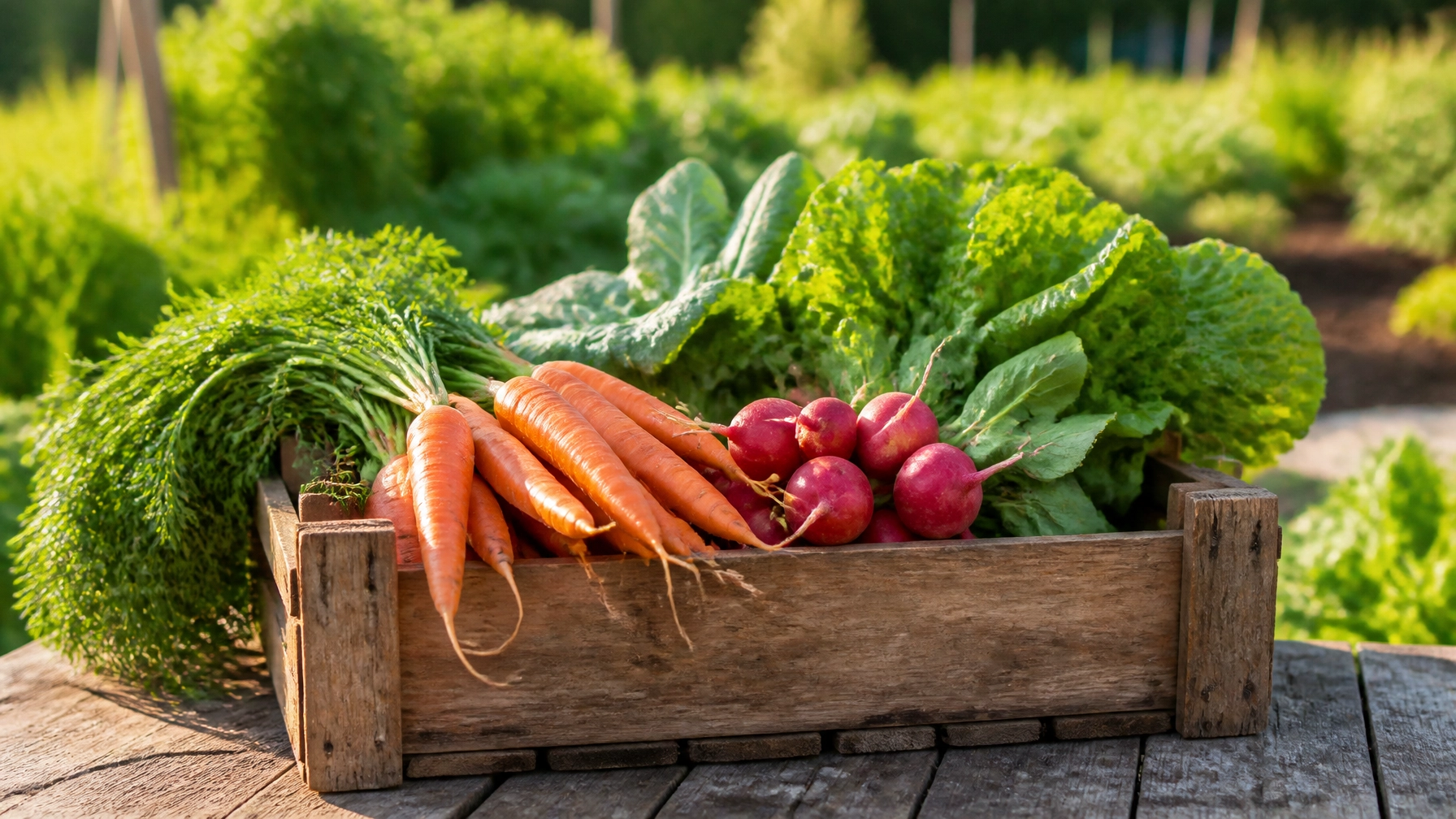
Each week, crates filled with the season’s best offerings are delivered to the village’s youth centres. In the spring, this means bundles of crisp radishes and tender asparagus; in the height of summer, it is an explosion of runner beans, tomatoes, and courgettes. As autumn approaches, the focus shifts to hearty root vegetables and brassicas, ensuring that the youth club kitchen remains stocked with nutritious ingredients year-round. This is not just about charity; it is about a shared investment in the health and well-being of the village's younger residents, many of whom are getting their first real taste of "farm-to-table" dining.
A Harvest of Community Spirit
The success of the "Grow A Row" scheme is built on the generosity of the allotment community, a group of people often seen as working in solitary rows but who possess a deep-seated commitment to collective welfare. At the heart of the project is the understanding that a single allotment plot, when managed efficiently, often produces far more than one household can consume. In years past, surplus marrows and mountains of beans might have been left to rot or given away haphazardly. Now, that surplus is directed with purpose.
Gardeners participating in the scheme have noted that it has revitalised their approach to growing. Knowing that their carrots or potatoes are destined for the local youth club adds a layer of responsibility and pride to the daily tasks of weeding and watering. It has also sparked a competitive but friendly spirit among the growers, as they vie to produce the most impressive yields for the weekly donations. This sense of purpose has strengthened the bonds within the allotment society itself, transforming it from a collection of individual gardeners into a coordinated force for local good.
Beyond the physical produce, the scheme has fostered a new level of intergenerational connection within Deddington. Traditionally, the allotments and the youth clubs might have existed in separate worlds, but the "Grow A Row" project has brought them together. Youth club members have started visiting the plots to see exactly where their food comes from, learning about the seasons and the hard work required to bring a vegetable from a seed to a plate. These visits have led to a natural exchange of knowledge, with older residents sharing gardening tips and younger ones offering a fresh perspective on what the village means to them.
Cultivating Skills for the Future
The impact on the youth clubs has been transformative. Rather than simply receiving food, the members are actively involved in what happens to it. Cooking sessions have become a staple of the weekly programme, with teenagers learning how to prepare nutritious meals from scratch using the ingredients delivered that morning. These sessions are more than just a way to fill a hungry stomach; they are vital life skills classes that empower young people to take control of their own nutrition and health.
In the youth club kitchen, the arrival of a crate of "Grow A Row" vegetables often dictates the evening’s menu. It encourages creativity and adaptability, as members must figure out how to use whatever has been harvested that week. A sudden glut of kale might lead to a session on making crispy kale chips, while a delivery of misshapen but delicious heritage tomatoes might result in a fresh pasta sauce. This hands-on experience is helping to break down the barriers that many young people feel toward healthy eating, showing them that fresh food can be exciting, tasty, and accessible.
Furthermore, the involvement of the youth clubs in the allotment process has sparked a growing interest in horticulture among the members. A small group of teenagers has even expressed interest in managing their own "youth plot" next season, a move that the Allotment Society is eager to support. By giving young people a stake in the land and a role in the local food system, the scheme is sowing the seeds for a more self-sufficient and environmentally conscious future. It is a practical education in sustainability that no classroom could replicate, grounded in the soil of their own community.
Sowing the Seeds of Local Resilience
As the "Grow A Row" initiative enters its next phase, it serves as a powerful model for other villages and towns looking to bolster their local resilience. In an era where global supply chains can be fragile and food insecurity is a growing concern even in affluent areas, Deddington has shown that the solutions often lie within the community itself. By tapping into existing resources: such as allotment land and local volunteerism: the village has created a safety net that benefits everyone involved.
The project also highlights the importance of localism in tackling broader societal issues. While large-scale government interventions have their place, the agility and personal touch of a village-led scheme can address specific needs with a precision that national programmes often lack. In Deddington, the "Grow A Row" scheme is tailored to the specific demographics and requirements of the local youth, ensuring that no produce goes to waste and every donation has a direct, visible impact. It is a testament to what can be achieved when a community decides to take care of its own.
Looking ahead, there are hopes to expand the scheme to include other local organisations, such as elderly care homes and community larders. The momentum generated by the partnership with the youth clubs has shown that there is both the capacity and the appetite for a wider "Grow A Row" network. For now, however, the focus remains on the crates of vegetables making their way across the village each week. Every carrot pulled and every bean picked is a small but significant contribution to a healthier, more connected Deddington. It is a story of growth in every sense of the word, proving that when a community works together, the harvest is always plenty.