The power of a community often lies in its ability to look beyond its own fences. In the heart of Oxfordshire, a quiet but profound revolution is taking place, rooted in the soil of the Deddington Allotment Society. This is not just a story about gardening; it is a story about a bridge built between a rural village and an urban youth centre, joined by the simple, life-sustaining gift of fresh produce. The Deddington Allotment Society has stepped up to support the Rose Hill Junior Youth Club in a way that is being described as truly life-changing for the children involved. By donating hundreds of kilos of fresh fruit and vegetables, these gardeners are doing more than just clearing their surplus; they are directly improving the nutritional health and well-being of over 120 children every single week.
For many families in the Rose Hill area, accessing high-quality, fresh produce can be a significant challenge. The rising cost of living has made the supermarket's fresh aisle a place of luxury for some, rather than a staple. When the Rose Hill Junior Youth Club (RHJYC) identified a growing need for better food security among its members, they didn't just look for financial donations; they looked for real, tangible solutions. The partnership with Deddington’s allotment holders grew out of a shared understanding that every child deserves to know where their food comes from and, more importantly, deserves to eat food that hasn't spent days in a plastic wrapper on a lorry.
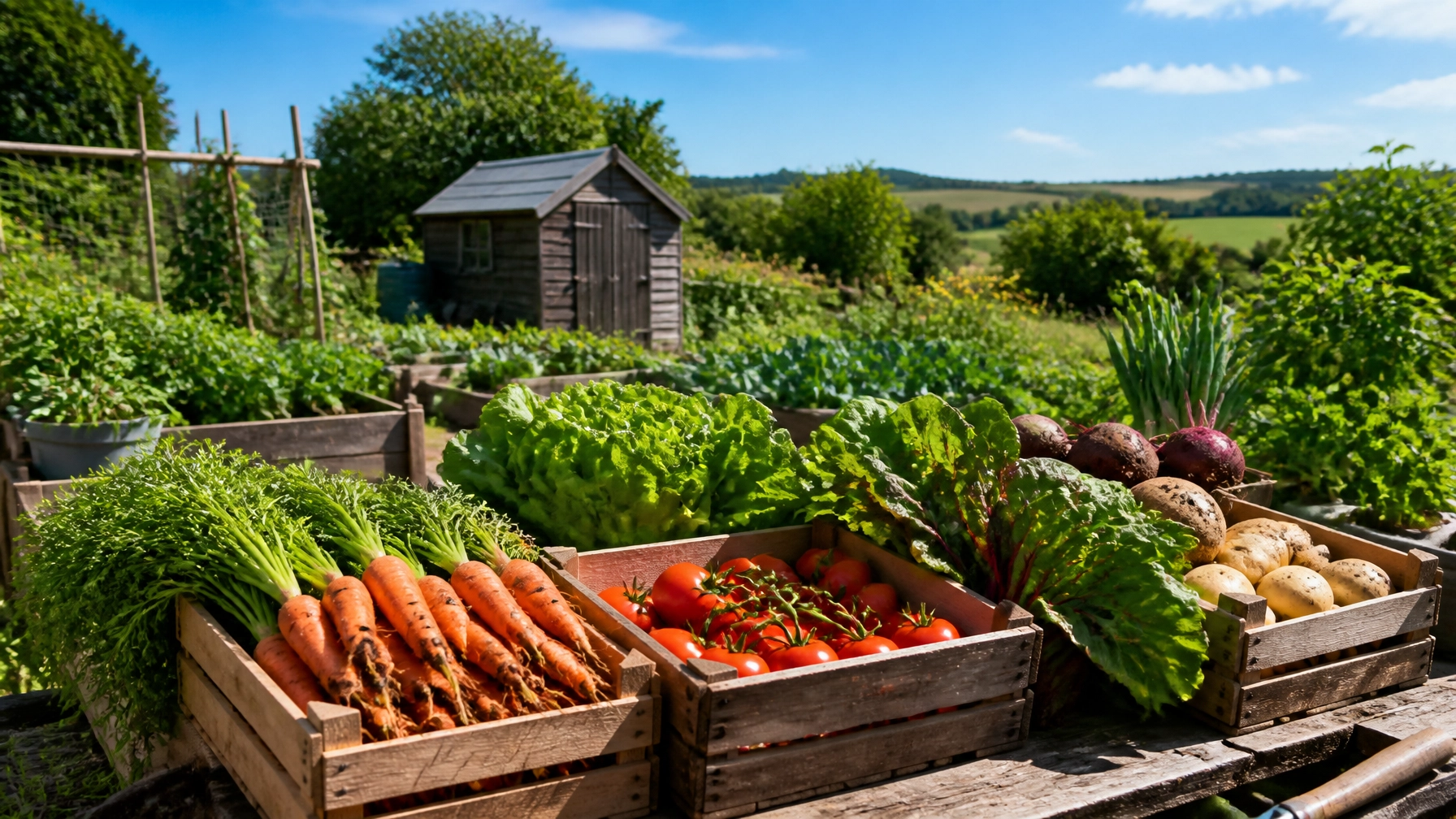
This initiative, often referred to as the "Grow a Row" scheme, encourages allotment holders to dedicate just one row of their plot specifically for the youth club. Whether it is potatoes, runner beans, strawberries, or courgettes, the variety and volume of the donations have been staggering. The impact on the ground at Rose Hill is immediate. Every youth club session now features fresh fruit platters and nutritionally balanced hot meals, often made with ingredients that were pulled from the Oxfordshire earth only hours before. For many of the children, this is their first consistent exposure to the taste and texture of homegrown vegetables, sparking a new interest in healthy eating that could last a lifetime.
Strengthening Local Communities Through Shared Harvests
The beauty of the Deddington Allotment Society’s contribution lies in its simplicity and the deep sense of community it fosters. Allotments have long been a British staple, providing a space for individuals to connect with nature and grow their own food. However, by turning these private plots into a collective resource for a youth club miles away, the gardeners have transformed a hobby into a vital social service. This connection between the rural community of Deddington and the urban setting of Rose Hill highlights a powerful way to bridge social divides. It shows that even when resources are tight, the willingness to share what we have can create a ripple effect of positivity.
The logistics of moving produce from the allotment to the youth club are handled with a grassroots efficiency that puts many larger organisations to shame. Local volunteers help with the collection and delivery, ensuring that the fruit and vegetables remain as fresh as possible. This hands-on approach means that the children at Rose Hill are not just receiving a box of food; they are receiving a message of care from people they may never meet, but who are invested in their future. The psychological impact of knowing that a community elsewhere is working to support them is just as significant as the vitamins provided by the vegetables themselves. It creates a sense of belonging and value for the youth club members, many of whom face daily challenges that make them feel overlooked by wider society.
Furthermore, this scheme serves as a model for how other allotment societies across the United Kingdom can utilise their surplus. It is estimated that thousands of tonnes of edible produce go to waste on allotments every year because growers simply cannot consume it all themselves. By formalising a partnership like the one between Deddington and Rose Hill, this waste is eliminated, and a critical need is met. The gardeners find renewed purpose in their work, knowing that their "extra" courgettes are helping a child in Rose Hill get the nutrients they need to concentrate at school or stay active during youth club sessions. It is a sustainable, low-cost, and high-impact solution to a very modern problem.
Addressing Food Insecurity with Fresh Nutritional Support
Food insecurity is a pressing issue that often remains hidden behind closed doors. For the Rose Hill Junior Youth Club, the reality of hunger is something they see and address every day. The club is currently aiming to raise £10,000 to cover its annual food costs, a figure that highlights the sheer scale of the need. They provide over 7,000 meals a year, and the donations from the Deddington Allotment Society have become a cornerstone of this effort. Without this fresh produce, the club would have to rely more heavily on processed or tinned goods, which, while filling, do not offer the same level of nutritional value required for growing bodies and minds.
The "Grow a Row" initiative directly tackles the "food desert" phenomenon, where fresh, affordable food is difficult to obtain in certain urban areas. By bringing the harvest of the countryside directly to the heart of the city, the allotment society is helping to level the playing field. The children at the club are learning to appreciate seasonal eating, discovering that strawberries taste better in June and that a carrot pulled from the ground has a crunch that a supermarket bag of "baby carrots" simply cannot match. This education in food provenance is essential in a world where many children are increasingly disconnected from the natural world.
Beyond the immediate health benefits, the inclusion of fresh vegetables in the club’s meals has a broader social impact. Sharing a hot, healthy meal is a central part of the youth club experience. It is a time for the children to sit together, talk about their day, and build relationships in a safe and nurturing environment. When that meal is made with high-quality, donated ingredients, it elevates the entire experience. It shows the children that they are worth the effort of fresh food. This boost to self-esteem and the reinforcement of healthy habits are the "life-changing" elements that staff at Rose Hill often mention. They aren't just feeding bellies; they are nourishing the potential of the next generation.
The Future of Sustainable Support for Our Youth
As the partnership between the Deddington Allotment Society and the Rose Hill Junior Youth Club continues to thrive, there is a clear opportunity to expand this vision. The success of this project demonstrates that community-led initiatives can often move faster and more effectively than government-mandated programmes. It relies on the goodwill of individuals and the strength of local networks, making it a resilient and adaptable model. Looking forward, the goal is not just to maintain the current level of donations but to inspire other societies to look at their own local youth centres and charities. The potential for a nationwide network of "allotment-to-table" schemes is a vision of a more connected and caring society.
The youth club is also looking at ways to bring the children to the allotments in Deddington. This would complete the circle, allowing the urban youth to get their hands in the soil and see exactly where their dinner comes from. Such educational visits would provide invaluable lessons in biology, environment, and patience, as they learn that food takes time and effort to grow. It also breaks down barriers between different demographics, allowing the retired or semi-retired allotment holders to share their wisdom and passion with a younger, diverse group of city dwellers. These intergenerational links are vital for a healthy, cohesive society.
Ultimately, the story of Deddington and Rose Hill is a reminder that big changes often start in small places: like a single row of vegetables. It proves that we do not always need complex technology or massive corporate backing to solve some of our most persistent problems. Sometimes, all we need is a bit of dirt under our fingernails, a spare row of seeds, and the heart to give what we grow to those who need it most. As the children at Rose Hill sit down to their next fresh meal, they are not just eating carrots and potatoes; they are consuming the kindness of their neighbours and the promise of a community that refuses to let them go hungry. This is the real power of local news: the stories of real people making a real difference, one veggie at a time.