It was never supposed to be like this. The very term "temporary accommodation" suggests a fleeting moment in time: a brief pause between losing a home and finding a permanent place to settle. In the context of the UK’s current housing landscape, however, "temporary" has taken on a chillingly different meaning. For thousands of families, it is a state of being that stretches on for months, then years, and in some heartbreaking cases, more than half a decade. We are witnessing a generation of children growing up in the shadows of a system that was meant to catch them but has instead left them suspended in mid-air.
As an independent news uk voice, it is our responsibility to bring these untold stories to the surface. When we talk about the housing crisis, we often focus on property prices or interest rates. But the human cost is far more profound. Today, there are over 125,000 children living in temporary housing. That isn't just a statistic; it represents 125,000 childhoods defined by instability, cramped quarters, and a lack of a place to truly call home. Many of these children have spent five years or more in this limbo, meaning they have no memory of a stable front door or a bedroom that is truly theirs.
The physical and mental toll of a single room
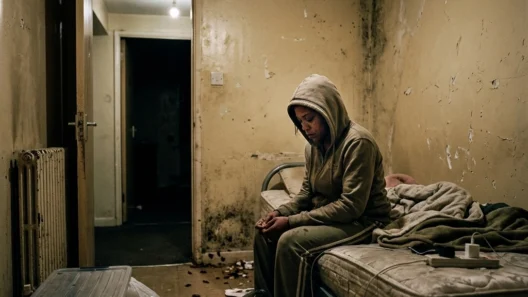
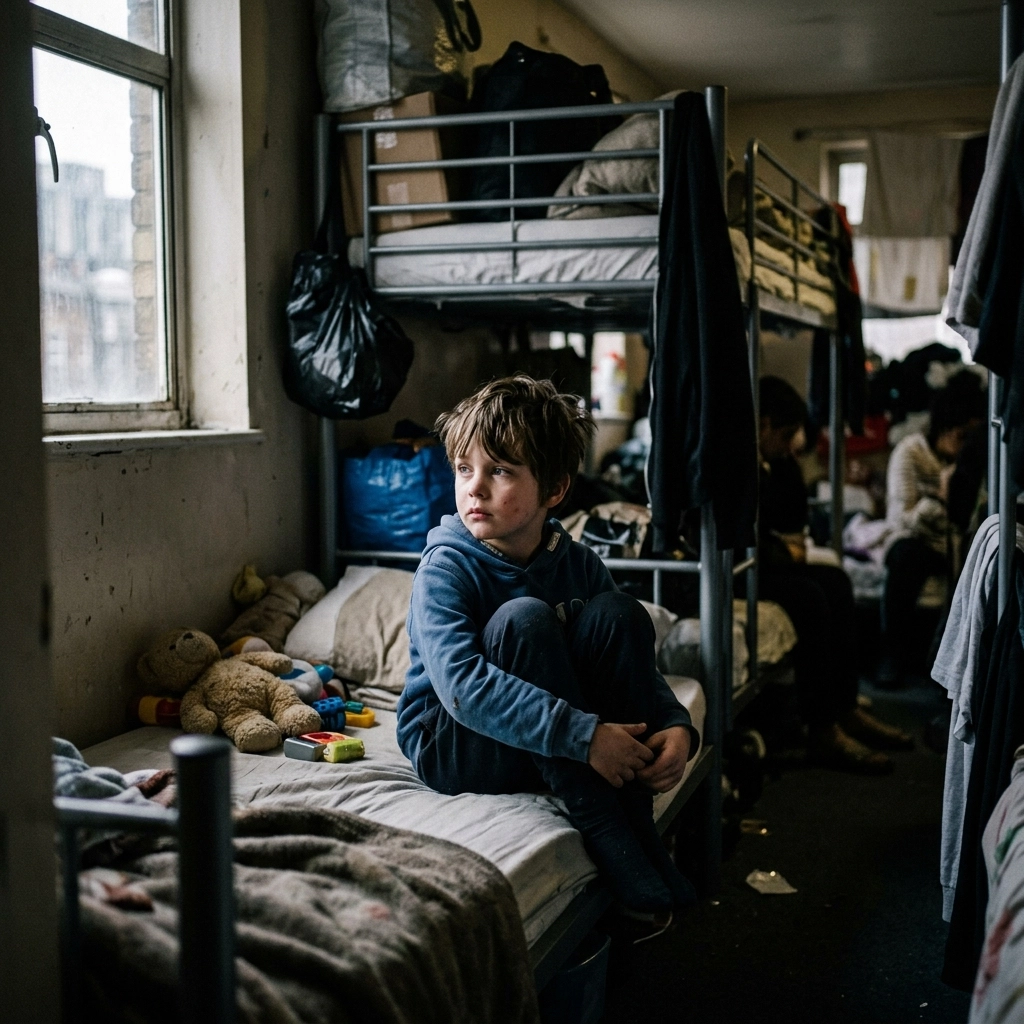
When a family is placed in temporary accommodation, they are often squeezed into a single room in a bed and breakfast or a hostel. These spaces were designed for short-term stays, not for raising a family. Imagine a twelve-year-old boy sharing a single bed with a sibling, or a toddler learning to walk in a space so cluttered with suitcases and life's essentials that there is no floor left to navigate. Research suggests that around 35% of parents in these situations report that their children do not even have their own bed.
The physical conditions are often dire. Reports of damp, mould, and faulty wiring are common. In some cases, families are living with fire risks or inadequate heating, making the "safety" of a roof over their heads feel incredibly precarious. Beyond the physical hazards, the lack of basic facilities is a daily struggle. More than two-thirds of residents lack access to proper cooking or laundry facilities. Try imagining the logistics of feeding a family of four using only a microwave and a kettle for five years. This isn't just an inconvenience; it’s a systematic erosion of dignity and health.
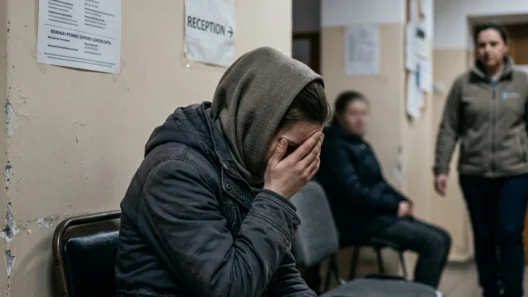
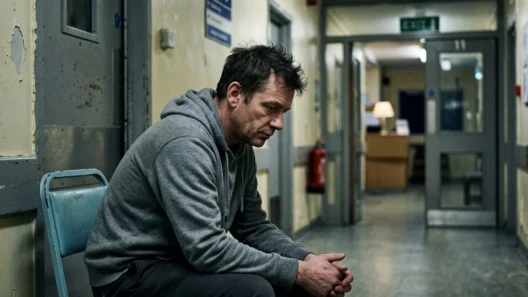
The psychological impact is perhaps the most invisible yet devastating part of this housing crisis. Children are incredibly resilient, but five years of uncertainty takes its toll. Constant moves: often with less than 48 hours' notice: mean that friendships are severed and routines are destroyed. The mental health of these young people is being compromised before they even reach adulthood. They live in a state of hyper-vigilance, never knowing when the next "temporary" move will come or where they will be sleeping next week.
Education and the stolen prospects of the future
The stability of a home is the foundation upon which a child’s education is built. Without it, the structure starts to crumble. For children in temporary accommodation, the simple act of doing homework becomes a Herculeal task. Where do you put your books when there is no table? How do you concentrate when your entire family is living, eating, and sleeping in the same few square metres? The "untold stories" of these children often involve them falling behind in school, not through a lack of ability, but through a lack of opportunity.
Instability often leads to frequent school changes. Every time a family is moved by a council to a different borough or a different city, a child’s education is interrupted. They lose their teachers, their support networks, and the continuity of the curriculum. Some children end up travelling for hours each day just to stay at the same school, arriving exhausted and unable to engage. Others simply fall out of the system entirely. By the time a child has spent five years in this cycle, the gap between them and their peers in stable housing can become an unbridgeable chasm.
This isn't just about grades; it's about the erosion of life prospects. When a child's formative years are spent in survival mode, their horizons naturally narrow. The housing crisis is effectively robbing a generation of the belief that they can plan for the future. If you don't know where you'll be living next month, it's very hard to dream about where you'll be in ten years. We are seeing a direct link between housing instability and reduced social mobility, creating a cycle of poverty that is incredibly difficult to break.
Why the "temporary" label has become a permanent trap
The question we must ask is how we reached a point where "temporary" can last for five years. The answer lies in a systemic failure to address the core issues of the housing crisis. For decades, the UK has failed to build enough social housing. As the stock of affordable homes has dwindled, local authorities have been forced to rely on the private sector and emergency accommodation to meet their legal obligations to homeless families. What was meant to be an emergency safety net has become a permanent warehouse for those the system has failed.
The financial cost of this is staggering. Local councils are spending billions of pounds on temporary accommodation, money that could be invested in building permanent, high-quality social homes. Instead, it is being funneled into the pockets of private landlords and hotel chains, often for sub-standard rooms that are unfit for long-term habitation. It is a classic case of short-term thinking leading to long-term disaster. The logic of the system is broken; we are paying a premium to keep children in conditions that actively harm their development.
The lack of notice given to families before they are moved further highlights the powerlessness of those caught in this trap. Over 60% of families are given less than two days to pack up their lives. This level of instability makes it impossible for parents to maintain steady employment or for children to feel any sense of belonging. As an independent news uk outlet, we see that these families are often treated as problems to be managed rather than people to be supported. The "temporary" label serves as a convenient excuse for the state to provide the bare minimum, ignoring the reality that five years is a lifetime in the eyes of a child.
The situation facing children in temporary housing is a national emergency that requires more than just incremental change. When "temporary" measures become the status quo for half a decade, the system has effectively conceded defeat. The impact on children's health, education, and future prospects is a debt that society will eventually have to pay. Addressing the housing crisis is not just about bricks and mortar; it is about ensuring that the next generation has a stable foundation upon which to build their lives. Until the number of children in limbo begins to fall, the promise of a fair start for every child remains unfulfilled.