When someone finally makes the incredibly difficult decision to leave an abusive situation, there is a fundamental expectation that the next step will lead to safety. For many survivors of domestic abuse and torture in the UK, the journey toward a new life begins with temporary accommodation provided by the state or through private contractors. It is supposed to be a bridge to stability, a place to catch one's breath and start the long process of healing. However, as we dig deeper into the untold stories of those navigating the system, a much darker reality emerges. Instead of sanctuary, many find themselves trapped in conditions that are not only substandard but actively retraumatising.
As part of our commitment to independent news uk, we believe it is vital to shine a light on the housing rights of the most vulnerable. What we are seeing across the country is a systemic failure that places people who have already endured the unthinkable into environments that mirror their past trauma. From rooms with no windows to properties overrun with vermin, the state of survivor housing has become a secondary crisis for those seeking refuge. This is not just about a lack of comfort; it is about a fundamental breach of human dignity and a failure to provide the basic requirements for psychological and physical recovery.
The Psychological Toll of Living Without Light
One of the most distressing issues being reported by survivors is the prevalence of windowless rooms in temporary accommodation. Imagine fleeing a situation where you were controlled, monitored, or kept in isolation, only to be placed in a small, cramped room with no natural light. For many domestic abuse survivors, this lack of a view or fresh air triggers intense feelings of being imprisoned once again. The absence of a window is not merely an architectural flaw; it is a psychological weight that can stall or even reverse the healing process. Natural light is essential for regulating our mood and our sleep-wake cycles, both of which are often already disrupted in those suffering from post-traumatic stress.
In some cases, the only source of "natural" light is a small skylight high above, which provides a glimpse of the sky but no way to see the world outside. This level of isolation can lead to a rapid deterioration in mental health. Survivors have reported that living in these conditions makes them feel forgotten and discarded by a system that promised to protect them. When you cannot see the street, the weather, or other people passing by, the world feels incredibly small and threatening. It reinforces the idea that the survivor must remain hidden or that they are still under some form of confinement. This is a direct contradiction to the goal of empowerment that should be at the heart of any support service.
Furthermore, the lack of ventilation in these windowless spaces often leads to stagnant air and increased humidity, which brings its own set of problems. Without proper airflow, these rooms become breeding grounds for dampness and respiratory issues. For a parent trying to keep their children safe and healthy after escaping abuse, the physical environment itself becomes a new source of anxiety. The feeling of being "trapped" is a common theme in the accounts of those living in these properties, and it is a sensation that can lead to severe mental health crises, including increased risks of self-harm or suicidal ideation.
Living With Infestations and the Loss of Safety
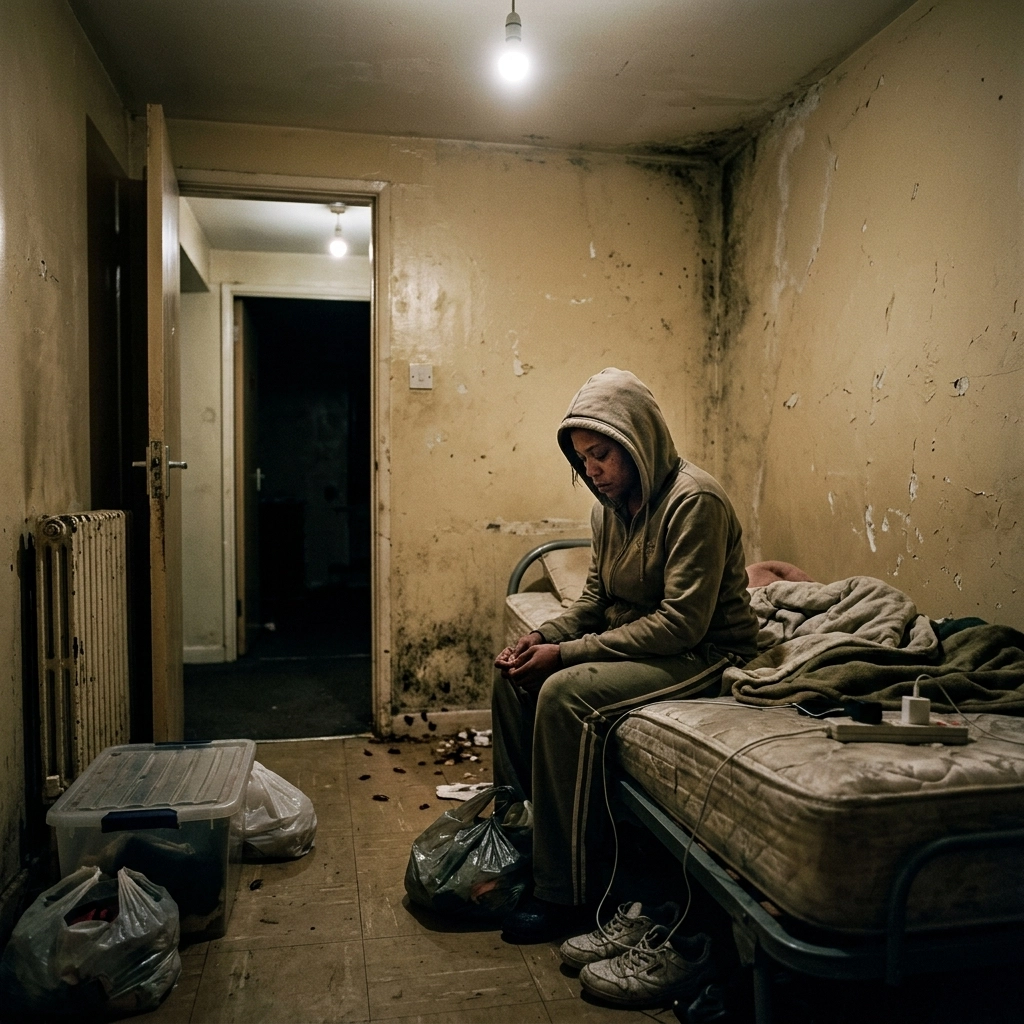
Safety is more than just a locked door; it is the ability to live in an environment that is clean, secure, and free from external threats. Yet, many survivors are being placed in housing that is infested with rats, mice, and cockroaches. This is a recurring theme in the untold stories of the UK housing crisis. When a survivor has to share their living space with pests, the sense of "home" is completely eroded. Infestations are not just a nuisance; they are a health hazard and a significant source of psychological distress. For someone who has spent years feeling that their personal boundaries were violated, having their living space invaded by vermin is deeply triggering.
The physical health risks are well-documented. Rodents and insects can carry diseases, contaminate food, and exacerbate conditions like asthma. For families with young children, the presence of pests is particularly terrifying. Parents describe the constant vigilance required to ensure that their children do not come into contact with droppings or insects while they sleep. This hyper-vigilance is a hallmark of trauma, and the living conditions are essentially forcing survivors to stay in a state of "fight or flight" long after the original threat has been removed. Instead of resting, they are patrolling their kitchens and bedrooms, battling a problem that should have been solved by the housing provider.
Compounding the issue is the frequent lack of responsiveness from housing contractors. Survivors often report that their complaints about infestations are ignored or met with inadequate solutions. This lack of agency: the feeling that one’s voice does not matter and that no one is coming to help: is a direct echo of the power dynamics present in abusive relationships. When a housing provider fails to address a rat infestation, they are sending a message to the survivor that their well-being is not a priority. This neglect is a form of structural violence that undermines the individual's housing rights and their overall sense of worth.
Systemic Failures and the Path Toward Reform
The root of this problem lies in a fragmented system where accountability is often lost in a web of subcontracting and bureaucracy. Many of the properties used for survivor housing are managed by private companies under contract to local authorities or the Home Office. In the rush to find accommodation, the specific needs of survivors: such as the need for natural light, secure locks, and proximity to support networks: are often overlooked. There is a critical disconnect between the staff who understand the trauma survivors have faced and the entities responsible for the physical maintenance of the buildings they are housed in.
To address this, there needs to be a fundamental shift in how we view housing rights for survivors. It is not enough to simply provide a roof; the quality of that roof matters immensely. We must move toward a trauma-informed housing model where the physical environment is designed to support, rather than hinder, recovery. This includes mandatory standards for natural light, ventilation, and pest control, along with rigorous inspections of properties before they are used to house vulnerable people. Furthermore, there must be a clear and accessible way for survivors to report issues without fear of being moved to even worse conditions or losing their place in the system.
The current situation is a stark reminder that the journey to safety does not end when someone leaves an abusive home. It is a long, difficult process that requires a supportive environment at every step. By ignoring the windowless rooms and the infestations that plague survivor housing, we are failing in our duty of care. These are not just buildings; they are the foundations upon which people are trying to rebuild their lives. Ensuring that those foundations are solid, healthy, and dignified is a responsibility that our society must take more seriously if we are truly committed to ending the cycle of domestic abuse and trauma.
The reality of survivor housing in the UK remains a complex and often distressing subject that demands urgent attention. By highlighting these conditions, the goal is to drive a conversation that leads to tangible improvements in policy and practice. Survivors deserve more than just survival; they deserve a place where they can truly feel safe and begin to look toward a future that is bright, ventilated, and free from the shadows of their past. Providing adequate, dignified housing is a critical component of justice for those who have already suffered enough.