When we think about hospitals, we usually imagine places of healing, recovery, and absolute safety. For most of us, walking through those doors means putting our trust in a system designed to protect us at our most vulnerable. However, for many people navigating the UK's mental health wards, that sense of security has been fractured. The recent "Patient 11" investigation has brought some deeply uncomfortable truths to the surface, shedding light on sexual safety concerns that have remained in the shadows for far too long.
At NowPWR, we believe in highlighting the untold stories that often get lost in the fast-paced news cycle. Through the lens of independent news UK, it’s clear that the conversation around mental health wards needs to shift from mere capacity and funding to the fundamental safety and dignity of the individuals residing within them. The investigation into Patient 11 isn't just about one person; it’s a catalyst for a much wider discussion about NHS safety and the urgent need for systemic reform.
The reality of inpatient psychiatric care is complex. Patients are often at their lowest ebb, dealing with severe distress, and they rely entirely on the environment around them to be a sanctuary. When that environment becomes a source of further trauma, the system has failed in its primary mission. We’ve seen reports that detail not just physical risks, but a pervasive sense of fear regarding sexual safety. It’s a heavy topic, but it’s one we have to talk about if we want to see real change.
The Current State of Sexual Safety on Wards
The findings from the Patient 11 investigation are a sobering reminder of the risks present in acute mental health settings. Sexual safety isn't just about preventing the most extreme incidents; it’s about the everyday environment: feeling safe to sleep, to wash, and to move around the ward without fear of harassment or unwanted contact. For many years, various reports have suggested that sexual incidents on mental health wards are more common than the public might realise.
One of the biggest hurdles in addressing these concerns is the "unseen" nature of the problem. Many incidents go unreported because patients may feel they won’t be believed, or they might be too unwell to articulate what has happened. In the world of independent news UK, we’ve seen that the lack of robust data often masks the scale of the issue. When we look at NHS safety statistics, we see glimpses of the problem, but the "untold stories" of survivors suggest the numbers are just the tip of the iceberg.
Staffing levels also play a massive role here. We know that when wards are understaffed, observations become more difficult to maintain. High-quality care requires eyes on the ground and a consistent presence that can deter inappropriate behaviour and provide immediate support to those who feel threatened. When the staff-to-patient ratio is stretched thin, blind spots emerge: both physically within the building’s layout and metaphorically within the care plan. It’s not just about having more people; it’s about having the right people with the right training to manage complex social dynamics in a confined space.
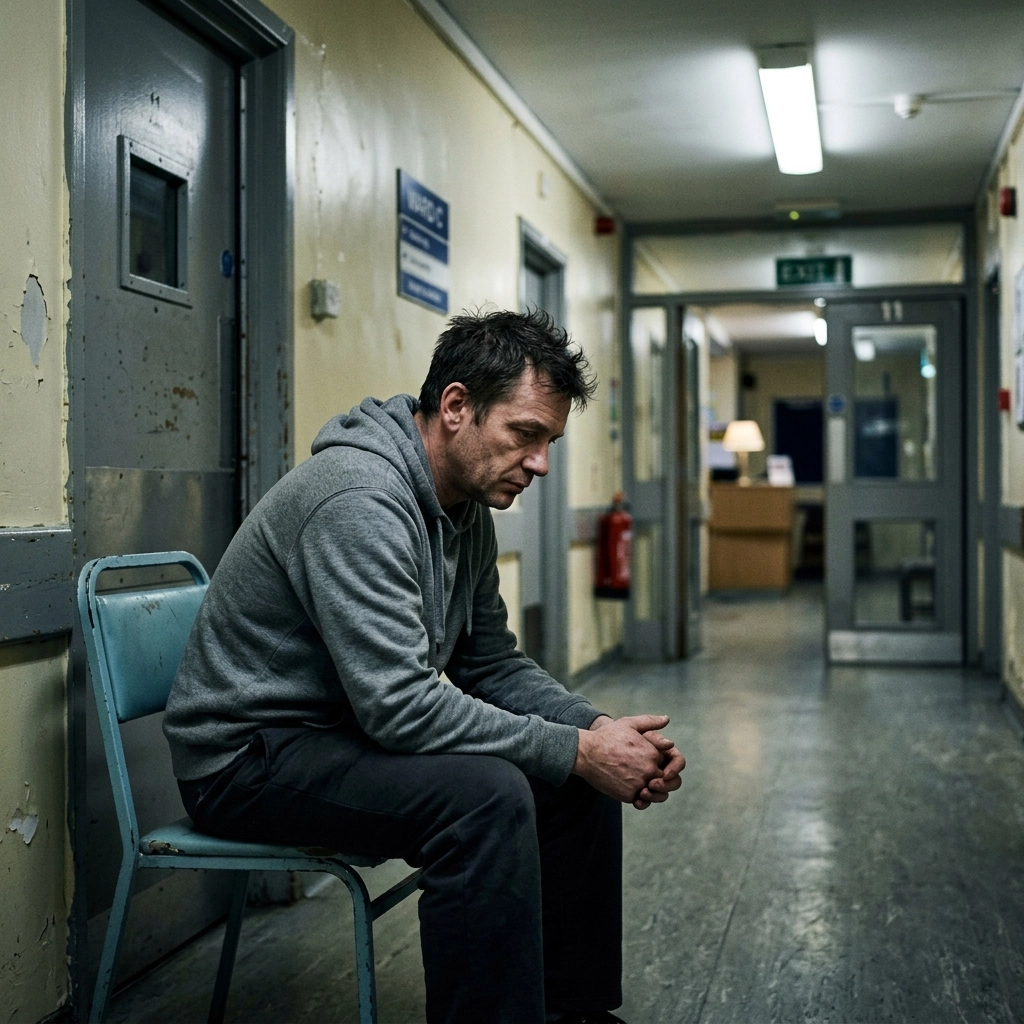
Furthermore, the physical design of many older mental health wards contributes to the problem. Long corridors, poorly lit corners, and shared spaces that are difficult to monitor can create an environment where patients feel exposed. While newer facilities are being designed with "safety by design" principles, much of the current NHS estate still relies on buildings that weren't necessarily built with modern safety standards in mind. Addressing this requires a massive investment in infrastructure, but more importantly, a cultural shift in how we prioritise the physical and psychological safety of every patient.
The Urgent Call for Same-Sex Accommodations
A central pillar of the Patient 11 investigation is the renewed call for same-sex care environments. For many years, the policy in the UK has been to move away from mixed-sex accommodation to ensure privacy and dignity. However, the definition of what constitutes "same-sex" can sometimes be loosely applied in practice, or "clinical necessity" is used as a workaround when beds are tight. The call for strictly same-sex wards isn't about exclusion; it's about creating a safe space where the risk of sexualised trauma is significantly minimised.
For many women in mental health wards, particularly those who have a history of trauma or abuse, being in a mixed-sex environment can be inherently re-traumatising. Even if no specific incident occurs, the mere presence of the opposite sex in a shared living space can trigger a state of high alert, making it impossible to focus on recovery. By prioritising same-sex wards, the NHS can provide a level of psychological safety that is currently lacking for many. It’s about recognising that safety isn’t just the absence of harm, but the presence of security.
Implementing same-sex care isn't without its logistical challenges. The NHS is under immense pressure to find beds for everyone who needs them, and sometimes that means placing a patient wherever there is space. However, we have to ask ourselves at what cost this convenience comes. If a patient is admitted for help but ends up suffering further trauma due to the ward’s setup, the healthcare intervention has arguably done more harm than good. Independent news UK reports often highlight the tension between administrative efficiency and patient welfare, and this is a prime example of where that tension hits a breaking point.
Advocates for same-sex wards argue that this change would not only protect patients but also support staff. Managing a ward where patients feel safe and secure is significantly easier than managing one where tensions are high and fear is a constant undercurrent. When patients feel safe, incidents of aggression often decrease, and the therapeutic environment improves for everyone. It’s a foundational change that could ripple out to improve overall NHS safety across the board. The Patient 11 case serves as a loud, clear signal that the time for "exceptions" to same-sex policies should come to an end.
Navigating the Future of NHS Safety Standards
Looking ahead, the road to fixing these systemic issues involves more than just changing a few policies. It requires a total commitment to transparency and a willingness to listen to the people who have lived through these experiences. The "untold stories" of mental health wards need to be central to how we design the future of care. Independent news UK has a vital role in keeping this pressure on, ensuring that the findings of investigations like Patient 11 aren't just filed away in a drawer but used to drive genuine, lasting reform.
Accountability is another major factor. When safety failures occur, there needs to be a clear process for investigation and redress. Families and patients need to feel that the system is on their side, not trying to protect its own reputation. Part of the friendly, open culture we advocate for at NowPWR involves being honest about where things have gone wrong. We can't fix what we don't acknowledge. By bringing these issues into the light, we create the opportunity for the NHS to rebuild trust with the community it serves.
Training is also a key area for improvement. Staff on mental health wards need specialised training in sexual safety: how to spot the signs of grooming, how to manage boundaries, and how to support survivors of sexual violence within an inpatient setting. This isn't just "extra" training; it should be core to the curriculum for any mental health professional. When staff are empowered with the knowledge and tools to maintain a safe environment, everyone benefits. It shifts the culture from reactive: dealing with incidents after they happen: to proactive, where safety is woven into the fabric of daily life on the ward.
Ultimately, the goal is to ensure that mental health wards are truly places of sanctuary. The Patient 11 investigation has highlighted significant gaps, but it has also provided a roadmap for improvement. By focusing on same-sex care, improving ward design, and fostering a culture of transparency and accountability, the NHS can make great strides in safety. We owe it to the patients, the families, and the hard-working staff to ensure that every person who enters a mental health facility feels protected, respected, and safe.
The conversation around mental health safety is far from over. As we continue to follow the developments in independent news UK, we’ll keep pushing for the voices of patients to be heard. It’s through these stories: sometimes difficult, sometimes heartbreaking, but always important: that we find the path toward a better, safer healthcare system for everyone. Safe care isn't a luxury; it’s a fundamental human right, and it’s time our mental health wards fully reflected that reality.