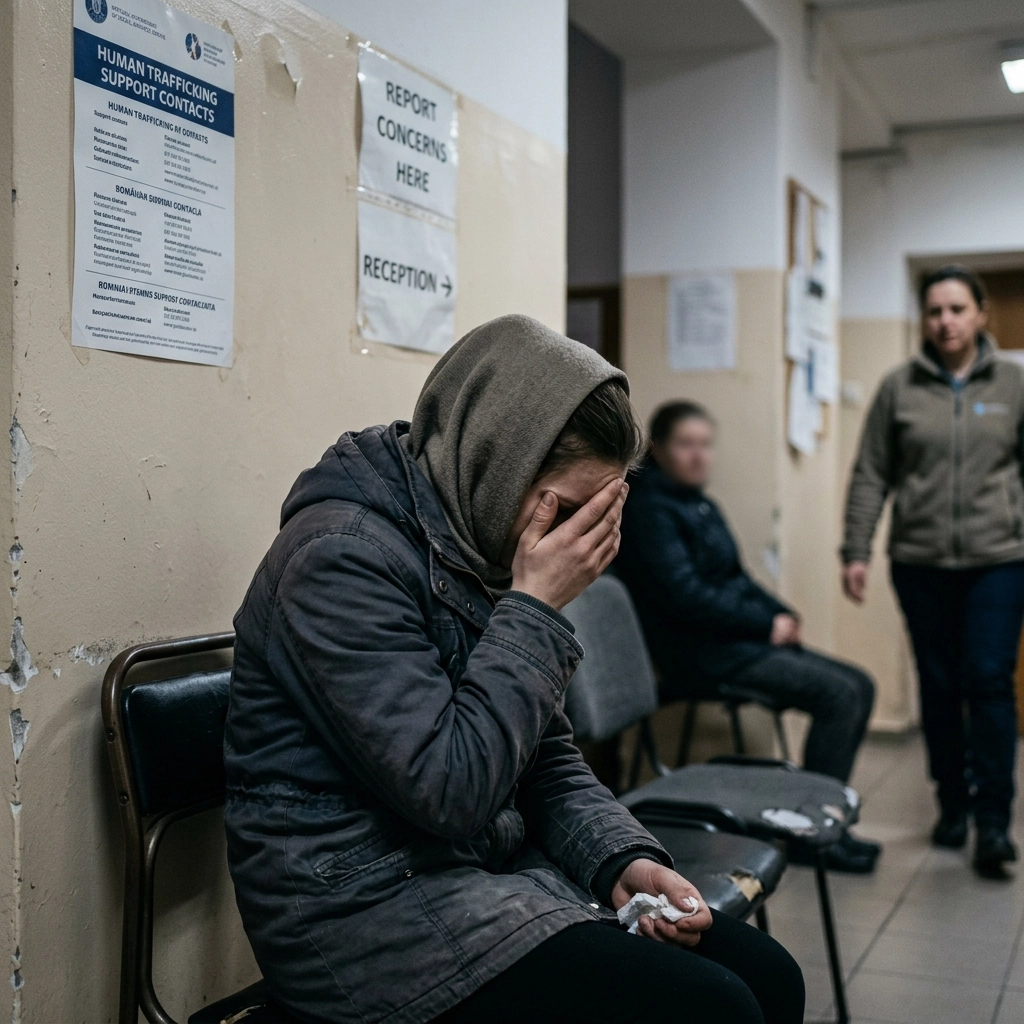
Human trafficking is often discussed in the abstract, spoken of in terms of massive statistics and international policy debates. But behind the numbers are real people like Maria. Her story isn't just one of survival; it’s a glaring indictment of the UK protection system that is meant to safeguard the most vulnerable but often ends up leaving them in a state of perpetual limbo. When we talk about independent news UK and the untold stories that shape our society, Maria’s experience sits right at the heart of the conversation. It is a story of a system that is currently failing to meet the very standards it set for itself.
Maria came to the UK with the promise of a better life, a common thread in human trafficking cases. She was promised legitimate work and a chance to support her family back home. Instead, she found herself trapped in a cycle of exploitation, her documents seized and her movements restricted. When she eventually escaped and entered the government’s official framework for victims: the National Referral Mechanism (NRM): she thought the nightmare was over. In reality, a different kind of ordeal was just beginning.
The NRM is designed to identify and support victims of modern slavery. On paper, it provides a period of recovery, access to legal aid, and medical support. However, for Maria and thousands like her, the system has become a bureaucratic labyrinth. Instead of a clear path to safety, survivors are often met with years of waiting, inconsistent support, and the constant, looming threat of being returned to the very conditions they fled. This is the trafficking protection crisis that rarely makes the front pages, but it is one that NowPWR is committed to bringing into the light.
The agonising wait for official recognition
One of the most significant failings of the current UK protection system is the sheer length of time it takes for a "conclusive grounds" decision. This is the formal recognition by the Home Office that someone is indeed a victim of trafficking. For Maria, this wait has stretched into years. During this time, she exists in a state of legal and emotional suspension. She cannot work, she cannot access full benefits, and she lives in constant fear that her claim will be rejected. This delay isn't just a matter of paperwork; it has a profound impact on a survivor's ability to heal.
When someone has been through the trauma of human trafficking, stability is the first step toward recovery. The current backlog in the NRM means that stability is denied to those who need it most. Many survivors report that the uncertainty of the waiting period is almost as damaging as the exploitation itself. They are left wondering if the state truly believes their story, or if they are simply seen as another case file to be managed. This lack of transparency is a recurring theme in the untold stories of those caught in the UK’s immigration and protection machinery.
Furthermore, the criteria for recognition have become increasingly stringent. Recent policy shifts have raised the threshold for what constitutes a "reasonable grounds" decision, making it harder for victims to enter the system in the first place. For Maria, every interview feels like an interrogation where she must relive her trauma to prove her worthiness of protection. This adversarial approach treats potential victims with suspicion rather than compassion, a trend that independent news UK outlets have frequently highlighted as a major barrier to justice.
When the system becomes a secondary cage
The phrase "If they call, I have to go" is a haunting reflection of how the system fails to break the bonds of exploitation. For Maria, the lack of adequate financial and social support means she remains vulnerable to her former traffickers. Without the right to work and with only a pittance provided for daily essentials, many survivors find themselves tempted or coerced back into exploitative situations just to survive. The UK protection system should be a fortress against re-trafficking, but currently, it feels more like a sieve.
The support provided during the NRM process is often siloed and temporary. While Maria was given a place in a safe house initially, the long-term provision for mental health services and integration support is severely lacking. Human trafficking is a crime that shatters a person’s sense of self and trust in others. Recovery requires intensive, specialised care that the current framework is simply not equipped to provide on a consistent basis. When the state fails to provide these basic necessities, it effectively leaves the door open for traffickers to re-enter the lives of their victims.
Moreover, the intersection of trafficking protection and immigration enforcement creates a "hostile environment" for survivors. There is a persistent fear that engaging with the authorities will lead to detention or deportation rather than support. For Maria, this fear is a daily reality. She knows that if her conclusive grounds decision is negative, her protection vanishes overnight. This precariousness makes it incredibly difficult for victims to cooperate with police and give evidence against their traffickers, which in turn allows criminal networks to continue operating with a degree of impunity.
Moving beyond the bureaucratic deadlock
Fixing the trafficking protection crisis requires more than just clearing a backlog; it requires a fundamental shift in how the UK perceives and treats survivors. We need a system that prioritises the humanity of the individual over the efficiency of the department. This means implementing a "survivor-first" approach that guarantees long-term support, regardless of a person’s immigration status. Until we decouple the NRM from the complexities of border control, victims like Maria will continue to fall through the cracks.
There is also a dire need for better training for first responders and decision-makers. Recognising the signs of trauma and understanding the psychological impact of trafficking is crucial for making fair and informed decisions. Too often, inconsistencies in a survivor's testimony: which are common symptoms of trauma: are used as reasons to doubt their credibility. By fostering a more empathetic and trauma-informed environment, the system can begin to rebuild the trust that has been so systematically broken.
Finally, the voices of survivors must be at the centre of policy reform. These untold stories are the most powerful tools we have for change. Maria’s experience is a call to action for everyone involved in the UK protection system, from grassroots advocates to high-level policymakers. We must move away from a culture of disbelief and toward one of genuine protection and empowerment. Only then can we ensure that no one else has to say, "If they call, I have to go."
The crisis facing Maria and others like her is a complex issue that touches on law, ethics, and basic human rights. As the UK continues to grapple with the realities of modern slavery, it is essential that we keep the focus on the people at the heart of the system. The failures of the NRM are not just administrative errors; they are life-altering gaps in our social fabric. Addressing these failings is not just a policy requirement: it is a moral imperative. By shining a light on these challenges, we can work toward a future where the promise of protection is a reality for every survivor.