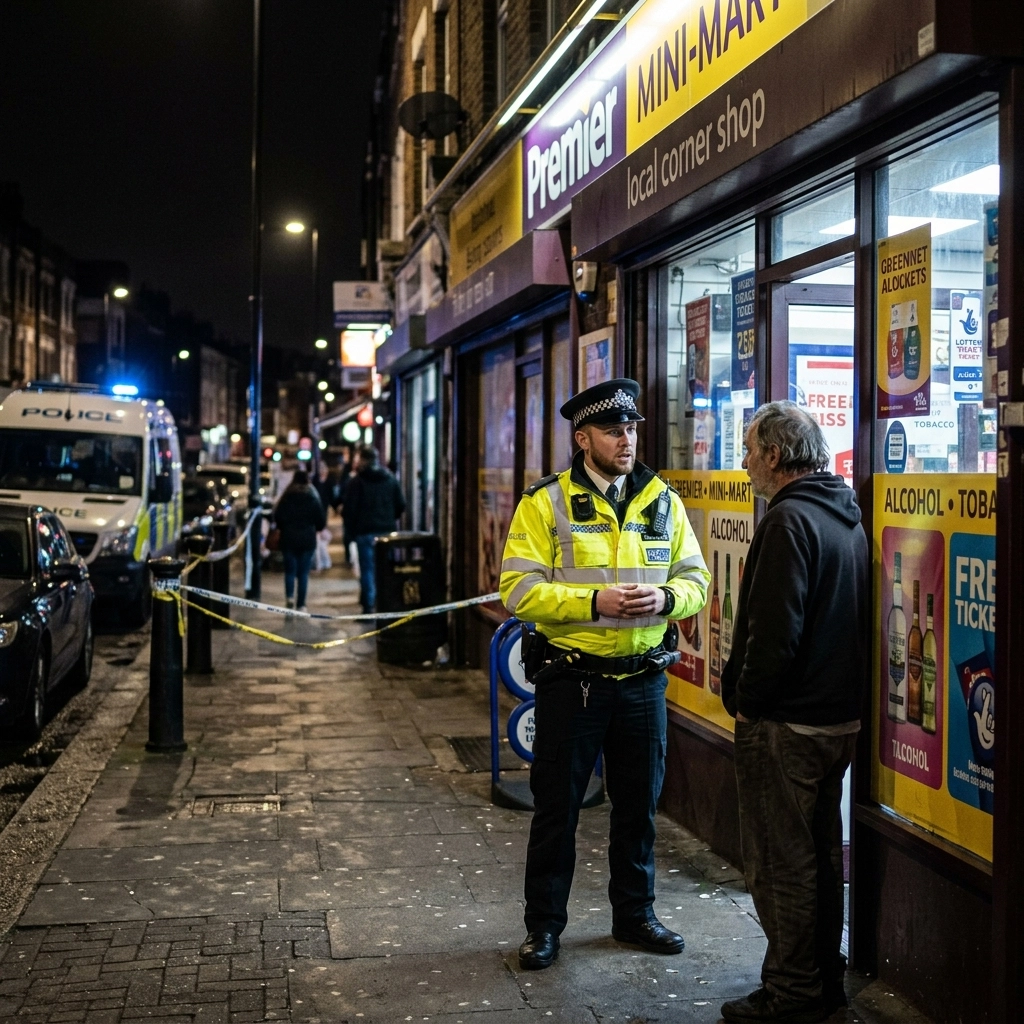
The British high street has long been the heartbeat of the community. From the morning rush for a newspaper to the late-night dash for a pint of milk, the local mini-mart is supposed to be a pillar of convenience and trust. However, a darker reality is simmering beneath the surface of our town centres. In the West Midlands, recent undercover investigations have pulled back the shutter on a disturbing trend: the local corner shop is no longer just selling bread and milk. Instead, some have become primary hubs for an illicit drug trade that is as brazen as it is dangerous.
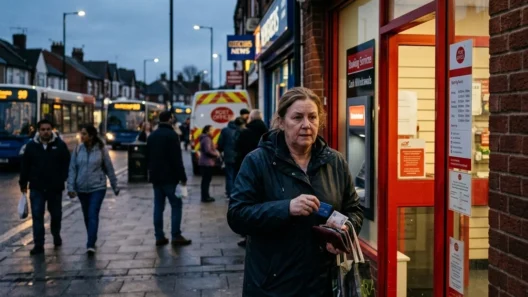
Walking down a typical high street in towns across the West Midlands, everything appears normal. You see the familiar neon signs, the stacks of discounted soft drinks, and the usual hum of midday traffic. But behind the counter of several unassuming mini-marts, a different kind of transaction is taking place. Undercover filming has captured the moment shopkeepers pivot from scanning groceries to handing over packets of cannabis, wraps of cocaine, and even high-strength prescription medication. This isn't happening in dark alleys or through encrypted apps; it is happening over the counter, in broad daylight, often while regular customers stand just a few feet away.
The scale of this "Shopfront Syndicate" is staggering. It’s a sophisticated operation that leverages the legitimacy of a retail business to mask a high-volume narcotics distribution network. For many of these establishments, the sale of crisps and confectionery is merely a front: a low-margin distraction from the real money-maker hidden behind the cigarette gantry.
The Facade of the Neighbourhood Local
The mechanics of this trade are deceptively simple. To the casual observer, the shop looks like any other independent retailer struggling to survive in a post-pandemic economy. Yet, the financial reality tells a different story. Investigations have revealed that some of these small shops are generating upwards of £15,000 per week in untaxed drug revenue. When you compare that to the razor-thin margins of legitimate retail, it becomes clear why some owners are tempted to cross the line.
The undercover footage is chilling in its mundanity. In one instance, a customer asks for "something for the weekend," and without a second thought, the shopkeeper reaches into a drawer usually reserved for stamps or lighters. Out comes a small plastic bag of white powder. The exchange is quick, professional, and entirely devoid of the tension one might expect from a criminal transaction. This lack of fear suggests a deep-rooted confidence that they are untouchable, or perhaps a belief that they are simply too small to be a priority for overstretched police forces.
The variety of substances on offer is equally concerning. While cannabis remains a staple, the rise of "over-the-counter" Class A drugs like cocaine is a sharp escalation. Even more insidious is the sale of prescription drugs. Medication like Pregabalin and Xanax: which can be lethal when taken without medical supervision or mixed with alcohol: is being sold as easily as a packet of paracetamol. These are "quiet" killers, fuels for an addiction crisis that ravages local families while the perpetrators profit under the guise of being "community servants."
Economic Desperation and the Rise of the Syndicate
To understand how the high street reached this point, we have to look at the broader economic landscape. The British high street is in the midst of an identity crisis. Rising rents, astronomical business rates, and the relentless march of online giants have left independent retailers gasping for air. In many West Midlands towns, the vacancy rates are high, and the footfall is dwindling. This creates a vacuum, and as the saying goes, nature abhors a vacuum.
Organised crime groups are predatory by nature. they look for vulnerabilities, and a struggling small business is a perfect target. In some cases, shop owners are approached with an offer they can’t refuse: a cash injection to keep the lights on in exchange for using the premises as a "drop point" or a retail outlet for the syndicate’s products. What starts as a desperate measure to pay the electricity bill quickly spirals into a full-scale criminal enterprise. The shop owner becomes a cog in a much larger machine, providing the "last mile" delivery for organised crime.
This creates a vicious cycle. As these shops become hubs for drug activity, they attract anti-social behaviour. This, in turn, drives away legitimate customers and other businesses, further depressing the local economy and making the area even more susceptible to criminal influence. The mini-mart menace isn't just a policing issue; it is a symptom of a decaying retail ecosystem where the traditional rules of commerce no longer apply. The "Shopfront Syndicate" doesn't care about community cohesion or local prosperity; it only cares about the untaxed, untraceable flow of cash that keeps the operation running.
Restoring Integrity to the British High Street
The exposure of these practices has sent shockwaves through local councils and policing boards, but the solution is far from simple. Policing these "pop-up" drug dens is a game of whack-a-mole. When one shop is raided and shut down, another often opens just a few doors down under a different name and a new "front" owner. The legal process to strip a premises of its licence or to evict a criminal tenant can be slow and bureaucratic, giving the syndicates plenty of time to move their stock and melt away into the background.
There is also the challenge of community silence. In many of the affected areas, there is a palpable sense of fear or, perhaps more damagingly, apathy. When the local shop is the only place left to buy essentials, residents may be reluctant to report suspicious activity for fear of losing their only local amenity or facing repercussions from the "heavy" elements associated with the trade. Breaking this cycle requires more than just undercover stings; it requires a concerted effort to revitalise the high street and provide legitimate business owners with the support they need to resist the pull of organised crime.
Local authorities in the West Midlands are now being urged to take a more proactive stance. This includes more rigorous checks on business ownership, better intelligence sharing between retail associations and the police, and a "zero tolerance" approach to licensing violations. But beyond enforcement, there is a need to celebrate and protect the thousands of honest independent retailers who are the true backbone of our communities. They are the ones being hit hardest by this "mini-mart menace," as the reputation of all small shops is tarnished by the actions of a criminal few.
The high street crisis is often framed in terms of "clicks vs bricks," but this investigation shows that the stakes are much higher. We are talking about the safety of our streets, the health of our youth, and the very integrity of our local neighbourhoods. The undercover footage serves as a wake-up call. The friendly face behind the counter might be part of a community, or they might be the gateway to a syndicate that is tearing that community apart. As we look to the future of our town centres, the priority must be clear: we need to reclaim the high street from the shadows and ensure that the only things being sold over the counter are the ones that belong there.
The road to recovery for the West Midlands high street will be long. It requires a balance of firm justice for those who exploit the system and genuine economic hope for those who want to run a clean, honest business. Until then, the "mini-mart menace" remains a stark reminder that in the modern world of retail, things are rarely as they seem on the surface. The next time you pop into a local shop for a pint of milk, remember that for some, the real business is happening just out of sight, and the cost to society is far higher than any price tag on the shelf.