In the heart of Staffordshire, a transformation is unfolding that challenges the traditional narrative of industrial decay. For decades, the landscape was defined by the grit and grime of coal extraction, a process that powered the nation but left behind a scarred and hollowed terrain. Today, that same land is being reclaimed by the wild. What was once an opencast coal mine is now a burgeoning sanctuary for biodiversity, marking one of the most significant environmental shifts in the region’s modern history.
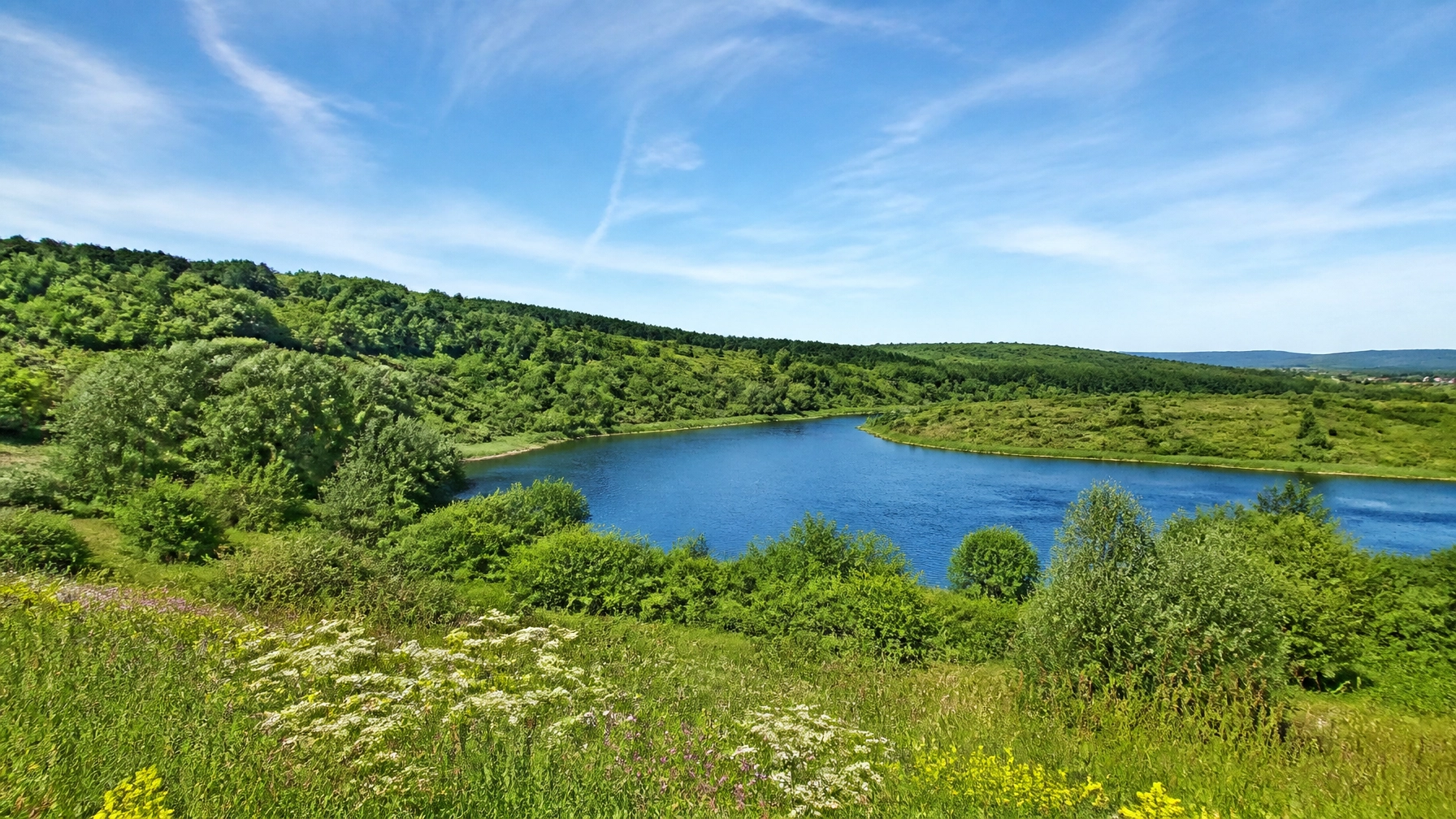
The site, once dominated by heavy machinery and the grey dust of excavation, has been handed over to nature. Across hundreds of hectares, the earth is healing. Where there were once deep pits and mechanical conveyors, there are now undulating hills, fresh water lagoons, and a rapidly diversifying range of plant life. This isn't just a accidental recovery; it is a deliberate and ambitious effort to turn a former industrial liability into a premier ecological asset. The shift from carbon-heavy industry to a carbon-sequestering haven represents a poetic symmetry in Britain’s journey toward a greener future.
Walking through the site now, it is difficult to imagine the industrial chaos that once reigned here. The air, once thick with the smell of diesel and coal dust, is now filled with the scent of wildflowers and the song of returning birds. Local ecologists have noted that the site’s unique topography: created by the very mining processes that once destroyed the habitat: now provides a variety of niches for different species to thrive. The combination of varied soil types and the creation of new wetlands has kickstarted a chain reaction of life that is drawing in species from all across the Midlands.
A Flourishing Ecosystem in an Industrial Footprint
The biological diversity currently being recorded on this former mine is nothing short of remarkable. Scientists and volunteers monitoring the area have identified a vast array of species that have wasted no time in moving back into the area. Among the most high-profile residents are birds of prey, including little owls and barn owls, which have found the derelict buildings and emerging scrubland to be perfect for hunting and nesting. The presence of these apex predators is a key indicator that the lower levels of the food chain: the insects, small mammals, and amphibians: are also establishing themselves in healthy numbers.
Badgers and foxes have carved out territories across the site, benefiting from the lack of human interference and the abundance of natural cover. The old pits, once filled with groundwater, have matured into sophisticated wetland systems. These lagoons are now home to dragonflies, damselflies, and several species of newts. The water quality, which was a significant concern in the immediate aftermath of the mine’s closure, has stabilised, allowing aquatic life to return and provide a stable food source for visiting herons and kingfishers.
The botanical transformation is equally impressive. Pioneering species of grasses and wildflowers have taken root in the disturbed soil, creating a mosaic of habitats. Rare orchids and white lilies have been spotted in areas that only a decade ago were bare rock and spoil. This carpet of green is doing more than just looking beautiful; it is actively fixing nitrogen into the soil and building a nutrient-rich layer that will support even more complex plant life in the decades to come. The speed at which nature has moved to fill the void left by industry serves as a powerful reminder of the resilience of the natural world when given the opportunity.
From Local Energy to Community Inspiration
Beyond the ecological benefits, the transformation of the Staffordshire mine is having a profound impact on the local community. For generations, the coal industry was the lifeblood of the area, providing jobs and a sense of identity. When the mines closed, many feared that the land would remain a desolate reminder of what had been lost. Instead, it has become a source of pride and a vital space for recreation and education. The site is now a destination for walkers, birdwatchers, and families, offering a direct connection to nature that was previously unavailable in this heavily industrialised part of the county.
The restoration project has also created new opportunities for environmental education. Local schools and community groups are increasingly using the site as an outdoor classroom, learning about rewilding, carbon sequestration, and the history of the land. By seeing the transition from coal to clover first-hand, younger generations are gaining a unique perspective on the environment and the importance of conservation. It bridges the gap between the heritage of the past and the challenges of the future, showing that a sustainable landscape can be built on the foundations of our industrial history.
The project is also proving to be a catalyst for further rewilding efforts across the region. The success of this Staffordshire site serves as a blueprint for how other former industrial lands: quarries, factories, and other mines: can be effectively repurposed. It demonstrates that restoration doesn't have to be about returning the land to exactly what it was before industry; rather, it's about creating a new, functional ecosystem that provides value for both wildlife and people. This forward-thinking approach to land management is essential as the UK looks for creative ways to meet its biodiversity targets.
The Long-Term Vision for Staffordshire’s Wild Spaces
The work in Staffordshire is far from over. While the initial recovery has been swift, the long-term management of the site is crucial to ensuring its permanence. Conservationists are focused on maintaining the balance of habitats, preventing any single species from dominating and ensuring that the wetlands remain healthy and free from pollution. This requires ongoing monitoring and subtle interventions, such as controlled grazing or the management of invasive plant species, to keep the ecosystem in a state of healthy flux.
The ultimate goal is to connect this site with other green corridors throughout the Midlands. By linking isolated patches of habitat, conservationists can create a larger, more resilient network that allows wildlife to migrate and adapt to a changing climate. This landscape-scale thinking is the next frontier for the project, moving beyond the boundaries of the former mine to influence the wider Staffordshire countryside. It represents a shift from seeing nature as something contained in small pockets to seeing it as a connected system that flows through our industrial and urban spaces.
As the trees grow taller and the wetlands deepen, the memory of the coal mine will continue to fade, replaced by a vibrant, living landscape. The return of the wild to this part of Staffordshire is a victory for conservation, a boost for the local community, and a symbol of hope. It proves that even the most heavily damaged environments can be brought back to life, and that nature, when given a helping hand, is always ready for a comeback. This site stands as a testament to the fact that our industrial past does not have to dictate our environmental future.