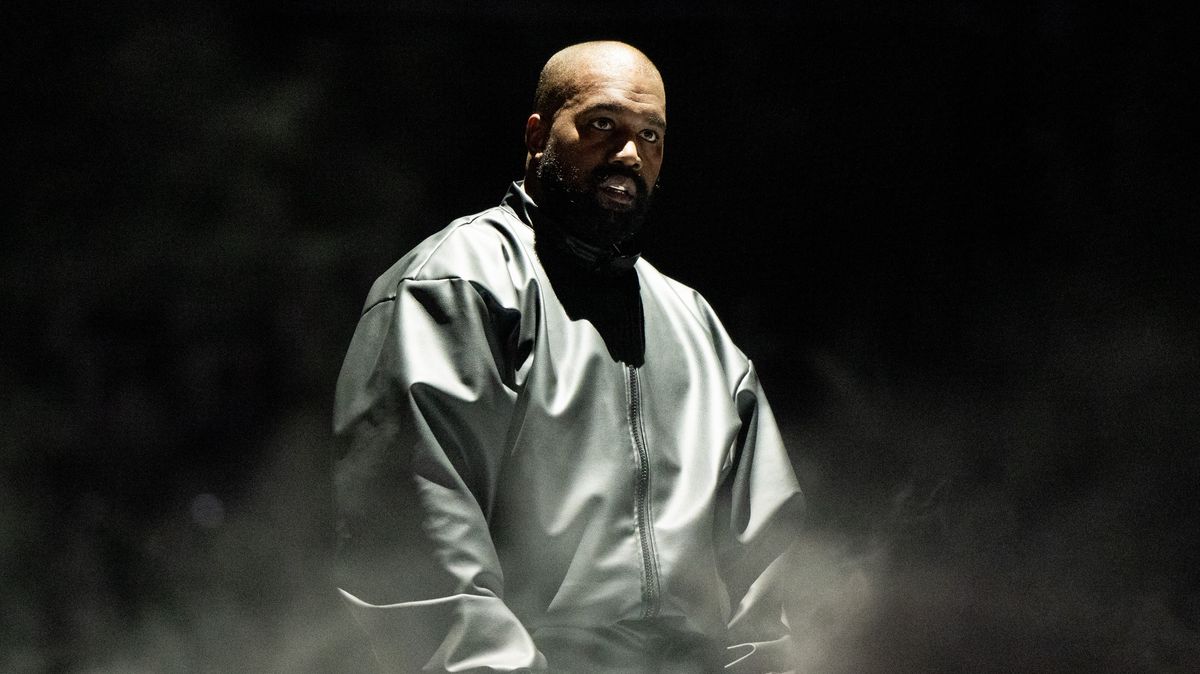
The organisers of Wireless Festival have confirmed the total cancellation of the 2026 event following a high-profile intervention by the Home Office. The decision to scrap the three-day music showcase in Finsbury Park comes after the government formally blocked headliner Kanye West, now known as Ye, from entering the United Kingdom. The move marks a dramatic conclusion to weeks of mounting tension and public debate regarding the artist’s controversial history of public statements.
Wireless, which has long stood as a cornerstone of the British summer festival calendar, was scheduled to host tens of thousands of fans in July. However, the loss of its primary headline act proved to be a terminal blow for the 2026 edition. Festival Republic, the company behind the event, issued a statement confirming that the festival would not proceed in any form, citing the withdrawal of the artist’s Electronic Travel Authorisation as the primary catalyst for the closure.
The Home Office Intervention
The central cause of the collapse was a decisive ruling from the Home Office, which revoked Ye’s permission to travel to the UK. This intervention followed an intense period of political pressure and public outcry. Critics had argued that the artist’s previous antisemitic remarks made his presence in the country inappropriate. Despite reports that the musician had reached out to community leaders in an attempt to make amends and provide context for his past actions, the government remained firm in its stance.
A spokesperson for the government indicated that entry to the United Kingdom is a privilege and not a right, suggesting that individuals who promote divisive rhetoric may find their travel status scrutinised. The Prime Minister also voiced support for the decision, framing the denial of entry as a necessary measure to uphold national standards regarding hate speech and community cohesion. For the festival organisers, this left a significant void in a line-up that had been heavily marketed around the American star.
Financial and Logistical Fallout
The cancellation has sent shockwaves through the live music industry and the local economy of North London. Finsbury Park typically benefits from a significant influx of revenue during the festival weekend, with local businesses, hotels, and transport services all geared up for the massive footfall. With the event now off the schedule, many small businesses are facing a sudden loss of anticipated income.
Ticket holders have been assured that they will receive full refunds, but the process is expected to be a significant logistical undertaking. Beyond the ticket costs, thousands of fans are now left to navigate the complexities of cancelling travel and accommodation arrangements. The organisers expressed regret over the situation, noting that they had consulted with various stakeholders before the booking was finalised, yet the shifting political landscape ultimately made the event untenable.
The Future of the Brand
As the dust settles on the 2026 cancellation, questions are being raised about the long-term viability and reputation of Wireless Festival. The decision to book such a polarising figure as a headliner has drawn sharp criticism from industry analysts and advocacy groups alike. While some argue that the festival was attempting to champion artistic freedom, others suggest that the risk management surrounding the booking was fundamentally flawed.
Looking ahead to 2027, the brand faces the challenge of rebuilding trust with its audience and sponsors. The total absence of a 2026 event creates a gap in the market that other urban music festivals may seek to fill. For now, the site at Finsbury Park will remain quiet this July, serving as a stark reminder of the intersection between international politics, border control, and the global entertainment industry.