









A widening Iran war would land fast in UK household budgets, with higher energy costs, pricier food inputs and more expensive shipping feeding straight through to the weekly shop.
Even before any physical disruption, markets typically add a risk premium to oil, gas and key commodities when missile exchanges raise the odds of supply being interrupted.
For shoppers, the mechanics are boring but brutal: higher wholesale energy costs lift the price of production, packaging and transport, and supermarkets rarely swallow that for long.
The impact would not be limited to petrol and heating. It would also show up in the cost of bread, dairy, fresh produce and everyday staples that rely on stable trade routes and predictable input prices.
The 'calamitous' damage to the global economy
An Iran conflict that drags on would be treated by investors and businesses as a systemic shock, not a local crisis.
Energy traders would price in the possibility of disruption in the Gulf, while shipping and insurers would adjust to higher operational risk, pushing up costs across multiple sectors at once.
For the UK, the timing matters. If inflation is already sticky, another commodity shock can keep prices elevated for longer and complicate decisions at the Bank of England on interest rates.
The knock-on effect is familiar: higher borrowing costs squeeze mortgages and credit, while wage growth struggles to keep pace with rising essentials.
Why energy and food prices are linked to the Gulf
The Strait of Hormuz remains the key pressure point. A large share of globally traded oil and significant volumes of liquefied natural gas move through the corridor, and even partial disruption can jolt prices.
When wholesale gas and power rise, supermarkets and food manufacturers face higher costs for refrigeration, lighting, processing and distribution.
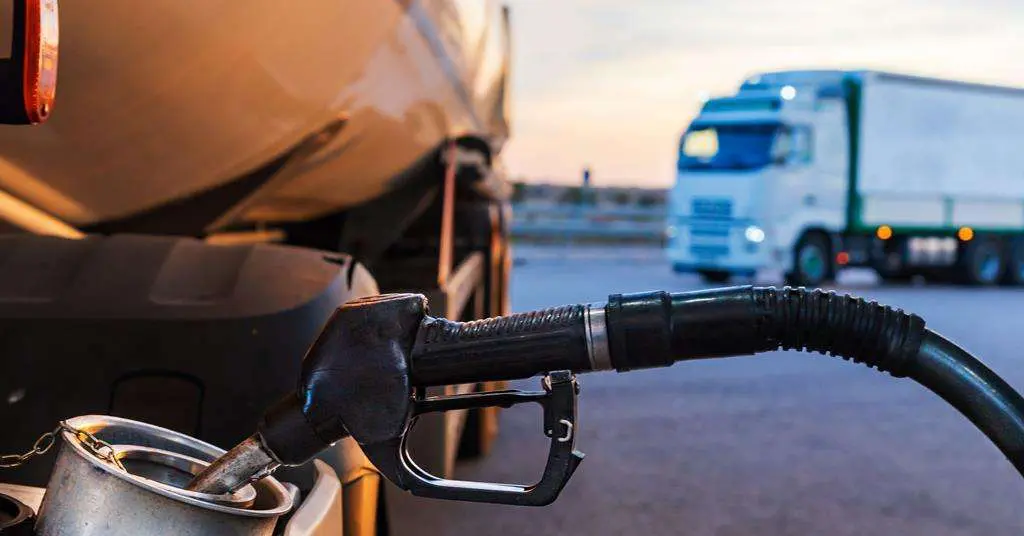
Oil feeds the food system in less obvious ways too. It affects diesel for heavy goods vehicles, the plastics used in packaging, and the chemicals used across agriculture.
Food prices are also sensitive to fertiliser and feed costs, both of which tend to climb when natural gas prices surge, because fertiliser production is energy-intensive.
That chain is what makes a distant war feel local: higher input costs hit farms, processors and hauliers first, and then reach tills weeks later.
Finding stability in a world of missile duels
There is no simple “switch” the UK can flip to avoid exposure, but there are ways to reduce the size of the shock.
More diverse energy supply, greater efficiency and better storage can soften price spikes, even if they cannot erase them.
Government can also focus on the basics during a surge: keeping supply chains moving, monitoring competition and making sure targeted support reaches households most at risk.
For consumers, the hard truth is that global conflict now shows up in ordinary places. The weekly shop is one of the quickest, clearest indicators, and it will remain that way as long as trade routes and energy markets stay under pressure.