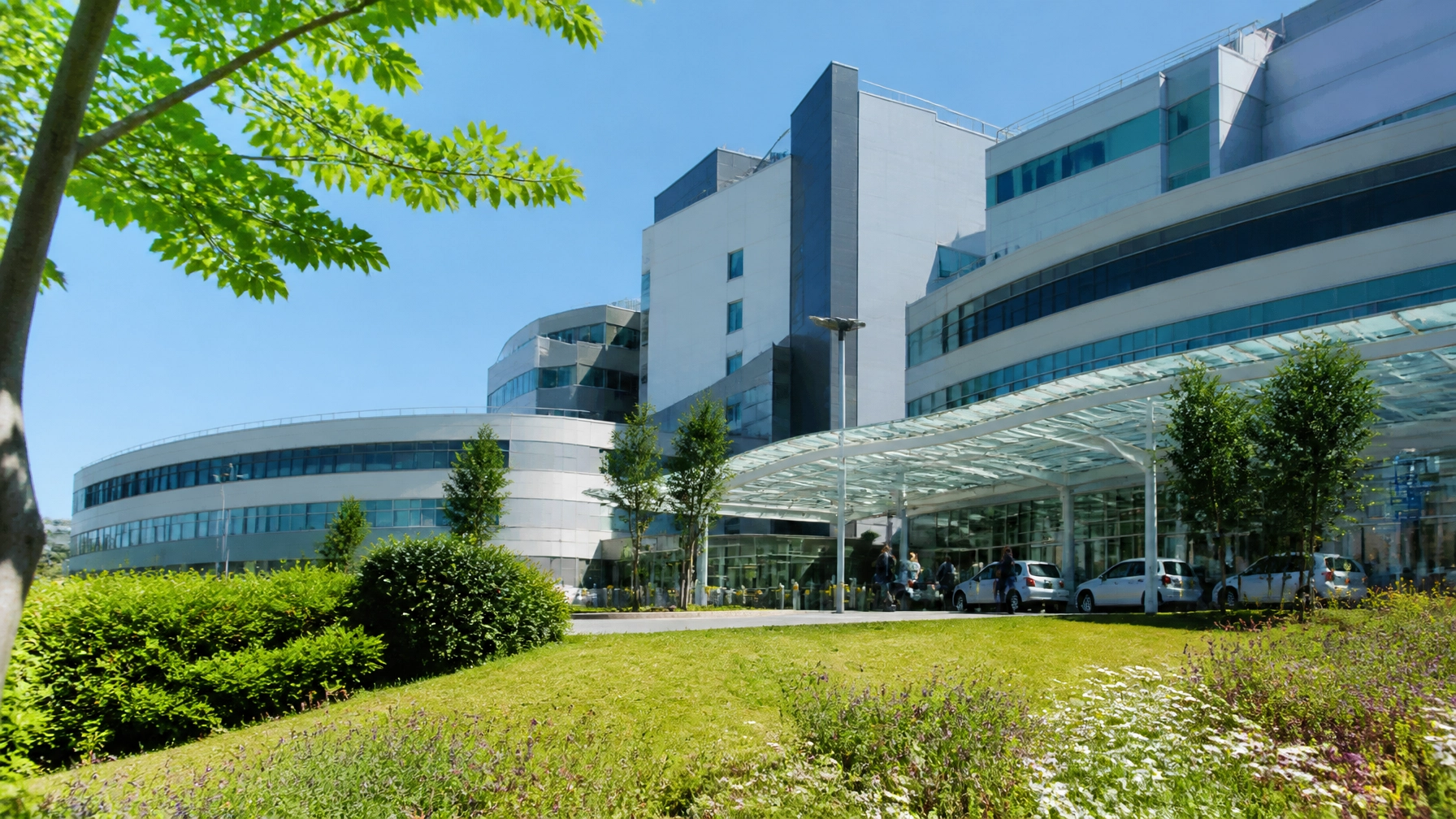
A revolutionary shift in the way stroke care is delivered has arrived in the East Midlands, as Nottingham University Hospitals NHS Trust launches a pioneering genetic testing service designed to identify high-risk patients before life-changing events occur. The new initiative, integrated directly into the minor stroke and transient ischaemic attack (TIA) clinics, represents a significant leap forward in precision medicine. By embedding genomic analysis into routine clinical pathways, doctors in Nottingham are now able to uncover the hidden hereditary factors that often lie behind unexplained strokes, particularly in younger patients.
For decades, the treatment of strokes has largely followed a reactive model, focused on immediate intervention and general secondary prevention. However, for a subset of the population, a stroke is not merely a result of lifestyle factors or age, but the consequence of specific genetic predispositions. Until now, identifying these patients was a lengthy process, often requiring referrals to specialist genetics centres that could take months. The new clinic in Nottingham bypasses these delays, offering "on-the-spot" considerations for genetic testing that can provide answers in a fraction of the time. This move is expected to save lives by allowing for tailored treatment plans that address the root cause of the vascular issue rather than just the symptoms.
The service is delivered in partnership with East Genomics, one of the seven NHS Genomic Medicine Service Alliances across England. It marks a departure from traditional "one size fits all" medicine. When a patient arrives at the minor stroke clinic: often having experienced temporary symptoms like facial drooping or speech difficulties: they are now screened for specific markers. If their clinical profile suggests a genetic link, such as a family history of early-onset vascular disease or unusual patterns in brain imaging, the genomic testing process is triggered immediately.
The shift towards precision medicine in stroke care
The integration of genetics into a busy hospital clinic is a complex feat of logistics and medical science. Traditionally, genomics was seen as a niche field, reserved for rare diseases or oncology. Its application in stroke care, however, addresses a critical gap. Many strokes occurring in adults under the age of 55 remain "cryptogenic," meaning their cause is never fully identified. By examining the genetic code, clinicians can identify conditions such as CADASIL (Cerebral Autosomal Dominant Arteriopathy with Subcortical Infarcts and Leukoencephalopathy) or other rare single-gene disorders that cause blood vessels to weaken or narrow prematurely.
The speed at which these tests can now be administered is the true breakthrough. In the fast-moving environment of a TIA clinic, where the goal is to prevent a major, debilitating stroke from following a minor one, time is the most precious commodity. Rapid genetic profiling allows consultants to prescribe specific medications that are known to be more effective for certain genetic profiles. Conversely, it helps avoid treatments that might be ineffective or even harmful given a patient’s unique biological makeup. This level of personalisation ensures that every patient receives the most robust defence possible against future neurological damage.
Beyond the immediate pharmaceutical interventions, the data gathered from these tests provides a roadmap for long-term management. For some, it might mean more frequent monitoring of blood pressure or specific types of vascular imaging. For others, it might reveal that their risk is not related to cholesterol levels: the most common cause of stroke: but to how their body processes certain proteins or maintains the integrity of vessel walls. This nuance is changing the face of neurology in the UK, moving the focus from the "what" of a stroke to the "why."
Transforming outcomes for families across the East Midlands
One of the most profound impacts of the Nottingham breakthrough is its "cascade" effect on families. A stroke is often a traumatic event not just for the individual, but for their relatives who share the same genetic heritage. Under the previous system, family members of a stroke victim might remain unaware of their own heightened risk until they, too, suffered a medical emergency. The new clinic changes this dynamic entirely. When a genetic cause is identified in a patient at the Nottingham clinic, it opens the door for predictive testing for their siblings, children, and parents.
This proactive approach allows the NHS to identify "at-risk" individuals who are currently healthy. Once identified, these relatives can be brought into a preventative framework, receiving advice and treatment that can stop a stroke from ever happening. This shift from treatment to prevention is the holy grail of modern healthcare, particularly in a field as devastating as stroke medicine, where the cost of care and long-term rehabilitation for survivors is immense. The emotional relief for families, knowing they have a clear understanding of their risks and a plan to manage them, cannot be overstated.
Staff at the Nottingham University Hospitals have undergone specialised training to handle these sensitive conversations. Delivering genetic news requires a balance of clinical expertise and empathy, as it carries implications for a patient's entire family tree. The clinic has become a hub of multi-disciplinary collaboration, bringing together neurologists, specialist nurses, and genetic counsellors. This team-based approach ensures that once a genetic marker is found, the patient is supported through the psychological and practical steps that follow, ensuring the information is used to empower rather than alarm.
A new blueprint for genomic integration in the NHS
The success of the Nottingham minor stroke clinic is being watched closely by health leaders across the country. It serves as a blueprint for how the NHS Genomic Medicine Service can be rolled out into other areas of mainstream medicine, such as cardiology or renal care. The goal of the NHS is to make genomic testing a routine part of the patient journey, no different from a blood test or an X-ray. By proving that genetic testing can be done efficiently in a high-pressure clinic setting without disrupting the flow of emergency care, Nottingham is leading the way for a national standard.
This initiative also highlights the importance of regional genomic hubs. East Genomics provides the infrastructure and laboratory expertise to process the samples, but the clinical frontline in Nottingham is where the impact is felt. This synergy between high-end laboratory science and bedside clinical practice is essential for the future of the health service. As the database of genetic variants grows, the accuracy of these tests will only improve, leading to even more refined diagnostic tools. The data collected (with patient consent) also contributes to vital research, helping scientists understand the broader genetic landscape of the UK population and potentially leading to the development of new classes of stroke-preventing drugs.
The financial implications are also significant. While genetic testing involves an upfront cost, the long-term savings to the NHS are substantial. The average cost of treating a major stroke and providing long-term social care runs into tens of thousands of pounds per patient. By preventing even a small percentage of these major events through early genetic identification and targeted intervention at the minor stroke stage, the clinic pays for itself many times over. It is a rare example of a medical advancement that offers both better patient outcomes and greater economic efficiency.
As the clinic enters its next phase, the focus remains on accessibility. Ensuring that patients from all backgrounds have equal access to these life-saving tests is a priority for the Nottingham team. By removing the need for a separate referral to a genetics department, the clinic ensures that even those who might struggle to navigate complex healthcare systems are caught in the safety net. The breakthrough in Nottingham is more than just a scientific achievement; it is a commitment to a future where no stroke goes unexplained and no family is left in the dark about their health.