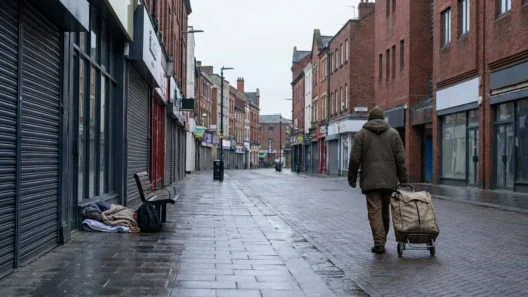
The village of Cwmgors, nestled in the Upper Amman Valley of South Wales, was once a cornerstone of the nation’s industrial might. For generations, the rhythm of life here was dictated by the coal mines that defined the landscape and the economy. When the pits closed, many such communities across the Welsh valleys faced a slow decline, losing not just their primary source of employment but also the social infrastructure that held them together. Shops shuttered, young people moved away, and the grand stone buildings that once housed schools and chapels began to fall into disrepair. For a long time, the narrative of Cwmgors was one of survival against the odds.
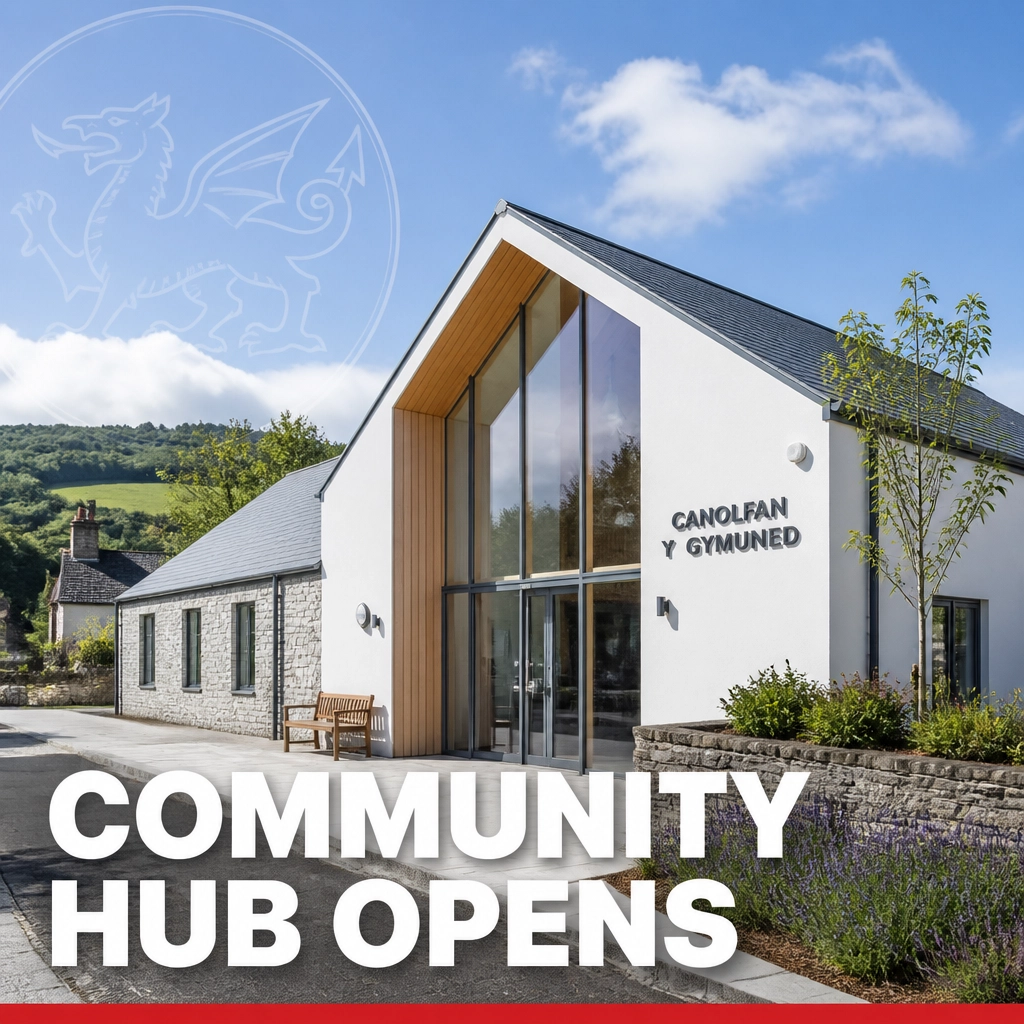
However, a remarkable transformation is currently unfolding in this former mining heartland. The opening of Hwb y Gors, a state-of-the-art community hub, represents a significant shift in the village’s fortunes. What makes this project particularly notable is not just the physical renovation of a derelict building, but the way it has been funded and the sustainable future it promises. Rather than relying solely on government grants or private developers, the rejuvenation of Cwmgors has been driven by the power of the wind.
The project is the culmination of years of work by Awel Aman Tawe, a local community energy charity. Their vision was simple yet radical: to use renewable energy to provide a permanent income stream for community development. By establishing a community-owned wind farm on Mynydd y Gwrhyd, the mountain overlooking the valley, they created a financial engine capable of powering social change. The profits from these turbines, which harness the brisk winds of the Welsh uplands, are now being reinvested directly into the village, providing a blueprint for how post-industrial areas can transition into a green, self-sufficient future.
Turning the Tide with Renewable Energy
The journey toward the creation of Hwb y Gors began with the recognition that traditional funding models were often insufficient to save vital local assets. When Cwmgors Primary School closed its doors several years ago, the village faced a familiar threat. In many neighbouring towns, closed schools have been sold off to private developers, often turned into luxury flats or left to crumble while awaiting planning permission. For Cwmgors, the closure of the school was a blow to the community’s spirit, but it also presented a unique opportunity.
Awel Aman Tawe stepped in with a plan to purchase the building and preserve it as a community asset. This was only possible because of the Awel Co-op wind farm. The wind farm, which consists of two large turbines, generates approximately 4.7 MW of clean electricity. With an annual turnover in the region of £1.4 million, the co-operative is able to return a substantial surplus to its parent charity. In 2021 alone, this surplus amounted to roughly £156,000. It was this reliable, locally controlled capital that allowed the charity to buy the school building in 2018, ensuring it remained in public hands.
This model of "community wealth building" is at the heart of the Hwb y Gors project. By owning the means of energy production, the people of the Amman Valley have insulated themselves from the whims of external investors. The wind farm provides a degree of financial independence that is rare in small rural villages. It demonstrates that the transition to renewable energy does not have to be something that happens to a community; it can be something that is led by them, for their own benefit. The turbines on the hill are no longer just symbols of a changing climate policy; they are the literal foundation of the village’s new social centre.
A Blueprint for Sustainable Development
Converting a Victorian-era school building into a modern, net-zero hub was no small feat. The renovation process required a sophisticated blend of heritage preservation and cutting-edge environmental technology. The goal was to create a space that was not only functional but also a leading example of low-carbon architecture. Today, Hwb y Gors stands as a testament to what is possible when community ambition meets modern engineering.
The building is equipped with an extensive array of renewable technologies designed to keep running costs to an absolute minimum, ensuring the hub’s long-term viability. Approximately 90 kW of solar photovoltaic panels have been installed on the roofs, capturing energy from the sun to power the building’s lighting and equipment. This is complemented by a 50 kW ground-source heating system, which draws warmth from the earth to provide consistent, low-cost heating throughout the year. To manage the intermittent nature of solar and wind power, the site also features 20 kW of battery storage, allowing the hub to store excess energy for use when the sun isn't shining.
Inside, the former classrooms have been reimagined to serve the modern needs of the village. The hub features a vibrant café, which serves as a central meeting point for residents, as well as communal studios and office spaces for local entrepreneurs and artists. There are dedicated education spaces where people can learn new skills, ranging from digital literacy to traditional crafts. Furthermore, the hub serves as a base for a community transport scheme, addressing the long-standing issue of rural isolation by providing residents with reliable ways to travel within the valley. By integrating these diverse services into a single, net-zero building, Hwb y Gors has become a focal point for both social interaction and economic activity.
Empowering the Local Community
The impact of Hwb y Gors extends far beyond the walls of the renovated school. For the residents of Cwmgors, the hub represents a renewed sense of pride and agency. In many former mining villages, there is a feeling that the best days are in the past. Hwb y Gors challenges that narrative by showing that a small community can lead the way in tackling global challenges like climate change while simultaneously solving local problems like unemployment and social isolation.
One of the most significant aspects of the project is the way it has engaged the local population. The funding for the refurbishment was a true collective effort, involving more than £1.6 million raised from various sources. This included approximately £180,000 in community shares, where local people invested their own money into the project, and a further £50,000 in smaller donations. This level of local investment ensures that the community has a literal and figurative stake in the hub’s success. It is not a project imposed from the outside; it is a project built from the ground up by the people who will use it every day.
The success of the hub has also provided a much-needed boost to the local economy. By providing affordable workspace and studios, Hwb y Gors is encouraging a new generation of businesses to stay in the valley rather than moving to larger cities like Swansea or Cardiff. The presence of the hub’s headquarters for Awel Aman Tawe also brings professional jobs to the village, creating a hub of expertise in renewable energy and community development. As the surplus from the wind farm continues to flow back into the charity, more projects can be funded, creating a virtuous cycle of reinvestment. In a valley that once exported coal to the world, Cwmgors is now exporting a new model of community resilience, proving that the end of the mining era was not the end of the story, but merely the start of a new, greener chapter.