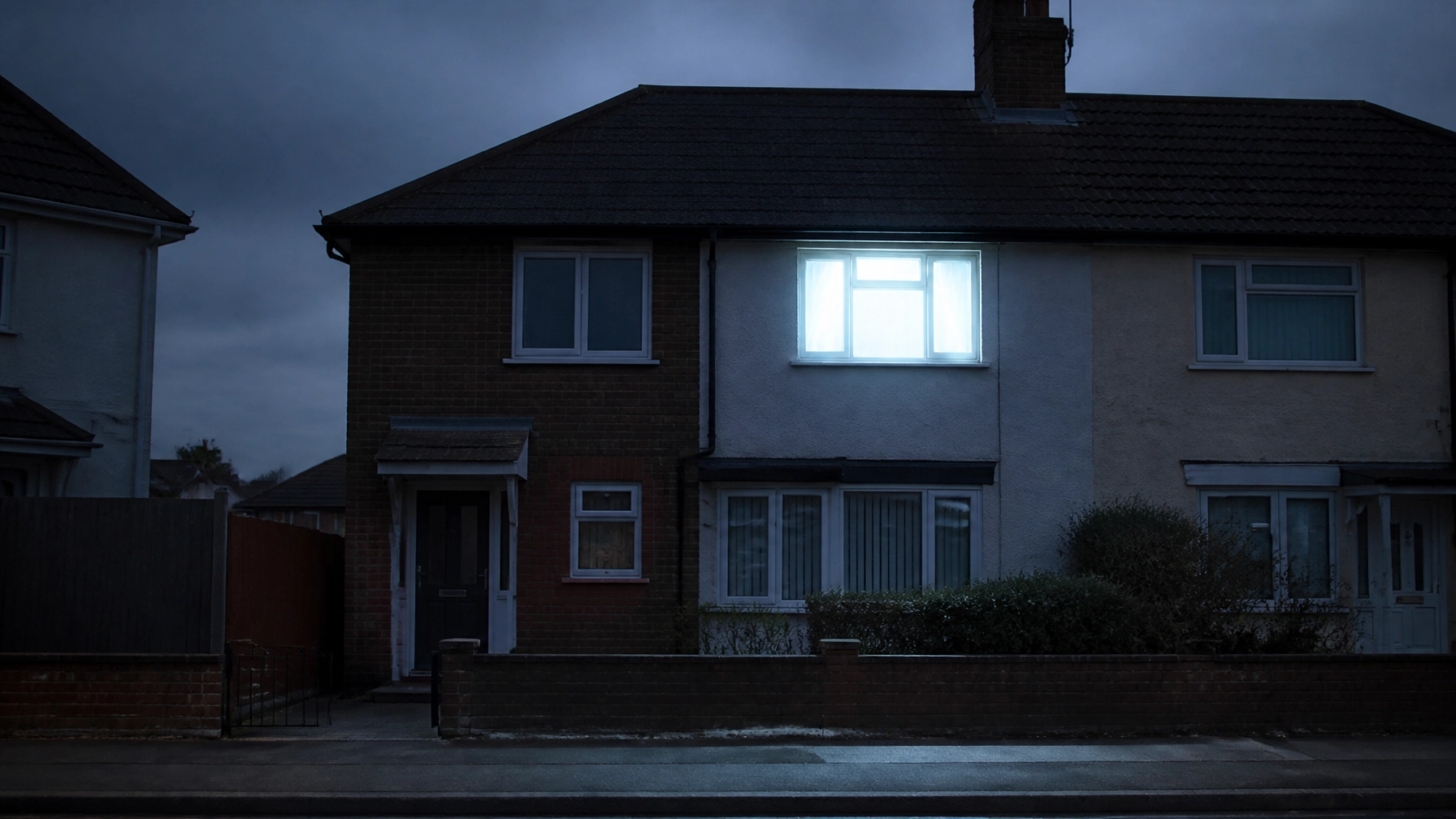
Imagine a single child’s care costing the British taxpayer £2 million a year. It sounds like an administrative error or a gross exaggeration, but for many cash-strapped local authorities across England and Wales, it has become a desperate, daily reality. This is not the cost of elite boarding schools or world-leading medical facilities; it is the price being paid for placements in unregistered, effectively illegal, children’s homes. These are settings that operate outside the law, lacking any oversight from Ofsted, yet they have become the ultimate safety net for a system that has fundamentally broken down.
While mainstream news often focuses on the high-level politics of social care, the reality on the ground is far more harrowing. Behind the closed doors of nondescript residential houses, caravans, and even bedsits, some of the UK’s most vulnerable children are being housed in conditions that are not only inadequate but dangerous. This is a story of alternative journalism revealing the untold stories of a care crisis that the state has allowed to fester. Recent investigative research from the International Policing and Public Protection Research Institute at Anglia Ruskin University (ARU) has provided the most detailed look yet into this "shadow market," exposing a world where children as young as two are living in legal "blind spots" that are perfect for exploitation by criminal gangs.
The scale of the problem is unprecedented. The research led by Dr Paul Nelson and Sarah Colley has highlighted a staggering 546% increase in illegal children’s homes in England between 2020 and 2024. In one single day in late 2024, at least 775 children were identified as living in these unregistered settings. This isn't just a failure of a few local authorities; nearly 90% of councils in England admitted to using at least one illegal home in the previous year. For those following independent news uk, these figures represent a catastrophic systemic failure that goes beyond simple budget cuts.
The Multi-Million Pound Shadow Market
The financial aspect of this crisis is as shocking as the human cost. Local authorities, desperate to find any bed for children with complex needs, are being held to ransom by private providers. Because there is a chronic shortage of registered, regulated care beds, councils are forced to turn to the "unregistered" market. In these instances, providers can charge whatever they like. Reports have emerged of councils paying upwards of £50,000 per week for a single placement. When calculated annually, this can reach the £2 million mark for one child.
This is public money being funnelled into businesses that operate illegally. By definition, an unregistered home is one that meets the legal definition of a children’s home but has not registered with Ofsted. This registration is not a mere bureaucratic hurdle; it is the primary mechanism for ensuring that staff are vetted, that the building is safe, and that the care provided is therapeutic rather than merely custodial. When a home is unregistered, there are no mandatory inspections, no minimum training requirements for staff, and no accountability when things go wrong.
Critics argue that this has created a perverse incentive for profiteering. Private equity firms and independent operators have realised that the more complex a child’s needs, and the more "unplaceable" they are deemed by the mainstream system, the more money can be extracted from a desperate local council. This is the dark side of alternative journalism: looking at where the money goes when the official systems fail. The ARU research suggests that the lack of regulation doesn't just mean a lack of paperwork; it means a lack of relationship-based care. These homes are often described as "cold" and "sterile," where staff are frequently changed, and there is no long-term commitment to the child’s wellbeing.
A Recruiting Ground for Criminal Exploitation
The most chilling finding from the work of Nelson and Colley is the link between these illegal homes and criminal exploitation. For criminal gangs, an unregistered home is a goldmine. Because these settings are not on the official radar, they lack the robust safeguarding protocols that would usually trigger an alert if a child was being groomed or coerced. Gangs, including those involved in "county lines" drug trafficking, specifically target children in these placements. They know that the staff are often untrained, the turnover is high, and the children are feeling abandoned and isolated.
In many cases, these homes are located in areas far away from a child’s home town, stripping them of their existing support networks and making them even more vulnerable to the false "family" environment offered by gangs. The ARU study found that children in these settings face high risks of sexual exploitation, financial abuse, and being forced into criminal activity. Without the "eyes and ears" of regular Ofsted inspections and independent visitors, these children essentially disappear into a black hole of the care system.
Researchers Paul Nelson and Sarah Colley have described these homes as "dangerous blind spots." When a child is placed in an illegal home, the state is effectively abdicating its responsibility to protect them. It is a national scandal that the very places meant to keep children safe have become the primary locations where they are most at risk of being exploited. For the readers of untold stories, this highlights a reality that few in the government are willing to address: the 2021 ban on unregulated homes for children under 16 has not solved the problem; it has simply pushed it further underground.
The Systemic Gap and the Need for Reform
The crisis we see today is the direct result of a policy gap that has existed since the 2021 government ban. While the intention was to ensure all children under 16 were in regulated care, the legislation did not come with the necessary investment to create more registered beds. Instead, demand continued to rise while the supply of safe, legal places dwindled. This created a vacuum that the illegal market was only too happy to fill. Councils find themselves in an impossible position: they either leave a child on the street or in a hospital ward, or they place them in an unregistered home and hope for the best.
The current reality is a system in total collapse. The ARU report calls for an urgent national sufficiency and workforce plan. We cannot simply "ban" our way out of this problem without providing the resources to build a regulated, therapeutic care sector that can handle complex cases. This requires moving away from a model that prioritises private profit over child welfare. As long as there is a multi-million pound incentive to operate in the shadows, children will continue to be put at risk.
This investigation into the £2m scandal is more than just a report on financial mismanagement; it is a call to action. The stories of these children, hidden away in caravans and bedsits, are the ultimate untold stories of modern Britain. It is a reminder that the care system is not just failing to provide for the future of these children: it is failing to keep them safe in the present. Addressing this requires a fundamental rethink of how we value and protect the most vulnerable members of our society. Alternative journalism must continue to shine a light on these "blind spots" until the government is forced to act. The cost of inaction is far higher than any council budget; it is the lives and safety of our children.