








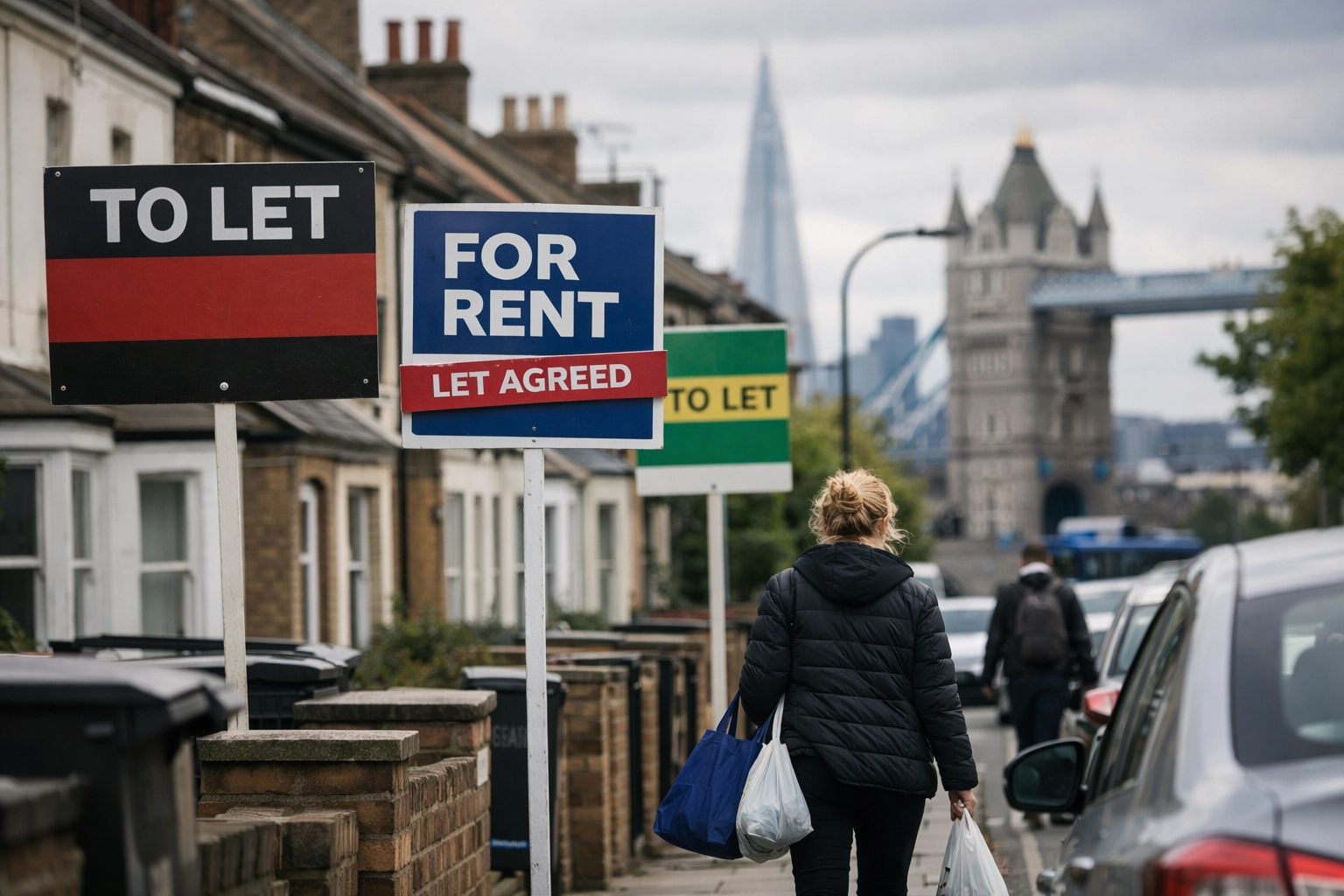
If you have tried to move house lately, you probably already know that the rental market is a bit of a nightmare. We are sitting in March 2026, and the numbers coming out are enough to make anyone’s wallet cry. It is a strange time to be a tenant in the UK because, while the pace of rent hikes has slowed down slightly compared to the chaotic years we just lived through, the actual prices are still sitting at record-breaking levels. It feels like we are all paying a premium just for the privilege of having a roof over our heads, and for many, the "housing squeeze" is shifting from a temporary annoyance to a permanent lifestyle change.
As of February 2026, the average monthly rent in the UK has officially climbed to £1,374. While that might only be a 3.5% increase over the last year: the lowest rate of annual inflation we have seen since the spring of 2022: it does not change the fact that the baseline is incredibly high. For most people, a 3.5% increase on an already expensive flat is still a chunk of change that could have gone toward groceries, savings, or a much-needed holiday. The reality on the ground is that even as the "rate of growth" cools off, the actual cost of living remains a massive hurdle for millions of households across the country.
The breakdown of the current rental map
When you look at the UK as a whole, the numbers tell a story of two different worlds. England is leading the charge with an average rent of £1,430, but if you look closer, the regional differences are wild. If you are living in the North East, you have probably noticed your rent jumping faster than almost anywhere else, with inflation hitting around 7.6%. Meanwhile, Wales has seen a steep 5.5% growth, bringing their average to £828. Scotland isn't far behind, with an average of £1,022 after a 2.4% rise. It seems no matter where you go, the trend is pointing upward, even if the speed varies.
Then, there is London. London is always its own beast when it comes to property, and 2026 is no different. The capital is currently facing an acute affordability crisis that makes the rest of the country look affordable by comparison. Even though London had the lowest annual growth at just 1.7%, the starting point was so high that it barely matters. The average rent in London has hit an all-time high of £2,736 per month. If you want to live in the posh bits, like Kensington and Chelsea, you are looking at an eye-watering average of £3,628. For a lot of young professionals and families, these figures aren't just high: they are completely out of reach. It is creating a massive shift in who can actually afford to live in the city and who is being pushed further and further out into the commuter belt.
It isn't just about where you live, though; it is also about what you are living in. If you are after a detached house, you are going to be paying the most, with average rents around £1,567. Flats and maisonettes are slightly more "affordable" at an average of £1,342, but even that is a huge portion of the average UK salary. The size of the property is another big factor. A four-bedroom home will set you back about £2,046 a month on average, while a one-bedroom unit sits at £1,115. For a single person starting out their career, spending over a grand a month on a one-bed flat before you even touch council tax or energy bills is a very tough pill to swallow.
The forces driving these record-breaking figures
So, why is this happening? Why is it that even when the economy feels a bit shaky, rents just keep going up? A huge part of it comes down to the classic problem of supply and demand. Simply put, there are more people looking for homes than there are homes available. This is especially true in high-demand areas like Manchester, Bristol, Birmingham, and university towns. When twenty people are applying for the same two-bedroom flat, the landlord can pretty much name their price. It is a seller’s market: or rather, a landlord’s market: and that doesn't look like it's changing anytime soon.
Another major factor is the cost of being a landlord. Over the last couple of years, landlords have been hit with a "perfect storm" of issues. Higher interest rates have meant that mortgage payments for those with buy-to-let properties have skyrocketed. On top of that, there has been a wave of new regulations and increased operational expenses. Some landlords have decided to pass these costs directly onto their tenants to keep their investments profitable. Others have decided the hassle isn't worth it anymore and have sold up, which actually makes the problem worse because it reduces the total amount of rental housing available on the market.
We are also seeing the ripple effects of the broader housing market. Because house prices for buyers remain high and mortgage rates are still a bit scary for first-time buyers, people are staying in the rental market for much longer than they used to. Ten or fifteen years ago, you might rent for a few years and then buy. Now, "Generation Rent" is getting older. We have people in their 30s and 40s still renting because they can't save up a deposit while simultaneously paying record-high rents. This keeps the demand for rental properties artificially high, as the "exit door" to homeownership is essentially stuck.
Looking ahead to what renters can expect next
As we move further into 2026, the outlook remains a bit mixed. Analysts are predicting that we will see further rent increases of around 3% to 4% through the rest of the year. While that is a lot better than the double-digit spikes we saw in previous years, it still means that the cost of living is going to keep creeping up. The pressure is going to remain highest in the big cities where the jobs are. London, Manchester, and Birmingham are likely to see the most competition, which will keep prices propped up even if the wider economy cools down.
There is also a growing conversation about rent controls and government intervention. With the "housing squeeze" becoming a major political talking point, there is a lot of debate about how to make things fairer for tenants without scaring away all the landlords. Some people are calling for more social housing, while others think the answer lies in making it easier and cheaper to build new private developments. Whatever the solution, it is clear that the current path is getting harder and harder for the average person to walk.
For now, the advice for renters is pretty much what it has always been: shop around, be ready to move fast, and maybe look at those "up-and-coming" areas that are a bit further from the city centre. The shift toward hybrid working has helped some people move to cheaper regions, but as more companies call people back to the office, the pull of the expensive cities is becoming stronger again. It is a bit of a tug-of-war between where we want to live and what we can actually afford to pay. As we head into the summer months, all eyes will be on whether the market finally hits a ceiling or if we will be talking about even higher record costs this time next year. The UK's housing squeeze is definitely not over yet, and it's going to be an interesting: and probably expensive( ride for the foreseeable future.)