Health officials in the Democratic Republic of Congo are locked in a desperate struggle to contain a rapidly escalating outbreak of Ebola, as international scientists initiate a high-stakes race to develop a preventative vaccine. The World Health Organisation has issued a stern warning regarding the pace of transmission, noting that the virus is moving through communities at a rate that threatens to overwhelm local health infrastructure. Unlike previous outbreaks that have dominated headlines over the last decade, the current crisis involves a rare and particularly lethal strain for which no licensed vaccine or treatment currently exists.
The epicentre of the crisis is situated in the North Kivu and Ituri provinces, where the Bundibugyo species of the ebolavirus has been identified. This particular variant is notoriously difficult to track, partly because its early symptoms often mimic other common tropical diseases, leading to delays in diagnosis and isolation. Current data suggests a fatality rate of between 30 and 50 per cent among those infected. While global risk remains low, the regional threat is considered very high, prompting the United Nations to release tens of millions of pounds in emergency funding to bolster the response on the ground.
The Search for a Scientific Solution in the United Kingdom
In the university laboratories of Oxford, a dedicated team of researchers is working around the clock to adapt existing vaccine technology to combat the Bundibugyo strain. These scientists, who gained global prominence for their role in developing rapid-response immunisations during the recent global pandemic, are utilising a "plug-and-play" viral-vector platform. By swapping genetic material from the Bundibugyo virus into a proven delivery system, they hope to create a viable candidate for clinical trials within the next two to three months. This expedited timeline is a testament to the advancements in genomic sequencing and vaccine manufacturing that have emerged over the last five years.
The experimental vaccine, currently designated as ChAdOx1 BDBV, is undergoing rigorous preclinical testing to ensure its safety and effectiveness before it can be deployed to the front lines. The strategy for its eventual use will likely follow a "ring vaccination" model. This approach involves identifying every person who has come into contact with a confirmed Ebola patient and vaccinating them, as well as their secondary contacts, to create a protective buffer that prevents the virus from jumping to new hosts. However, researchers remain cautious, reminding the international community that a vaccine is only one part of a complex public health equation.
Overcoming Deep-Seated Challenges on the Front Lines
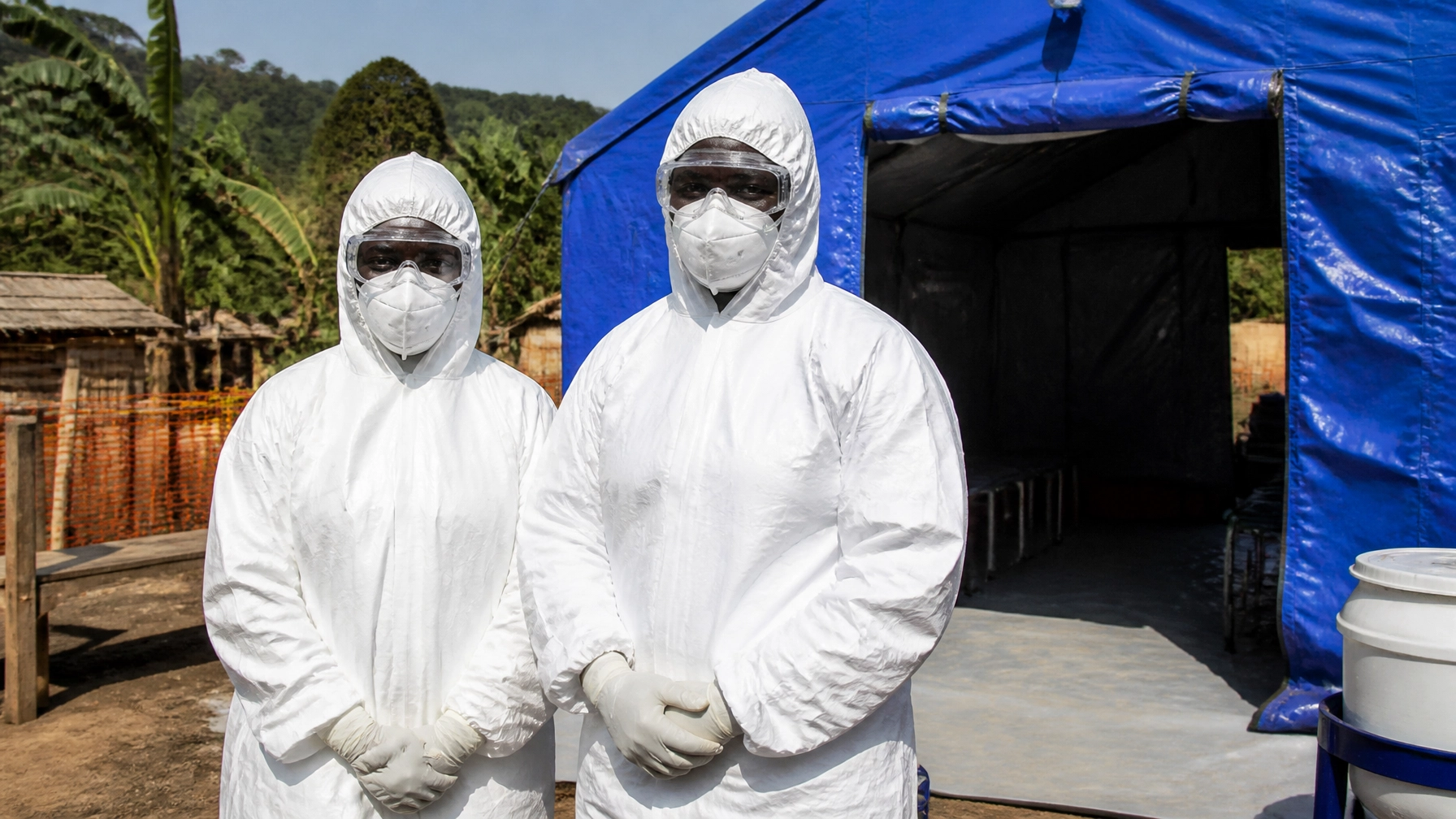
The logistical and social hurdles facing health workers in the Democratic Republic of Congo are as formidable as the virus itself. Decades of conflict and systemic instability in the eastern regions of the country have fostered a climate of deep-seated mistrust towards outside intervention. In recent weeks, there have been reports of community resistance, including the destruction of treatment centres by residents who are fearful of the stringent protocols required to manage the highly infectious bodies of the deceased. Traditional burial practices, which often involve close physical contact with the dead, remain a significant driver of transmission, and sensitive community engagement is required to change these high-risk behaviours.
Furthermore, the physical environment presents a constant obstacle. Many of the affected villages are located in remote, densely forested areas with little to no road access. Transporting medical supplies, establishing isolation units, and maintaining the ultra-cold chain required for some experimental medicines is a Herculean task. Regional health departments are working alongside international non-governmental organisations to bridge these gaps, but the rapid spread of the virus means they are frequently playing catch-up. Surveillance teams are struggling to trace hundreds of suspected cases that may have slipped through the cracks during the early, undetected stages of the outbreak.
Global Health Security and the Path Forward
The current situation in the Democratic Republic of Congo serves as a stark reminder that viral threats do not respect national borders. The international community has responded with a significant influx of financial and technical support, recognising that an uncontrolled outbreak in central Africa carries risks for the entire continent and beyond. Beyond the immediate need for a vaccine, there is a growing consensus that long-term investment in local health systems is the only way to break the cycle of recurring epidemics. Strengthening laboratory capacity within the country and training local staff in rapid response are essential steps toward self-sufficiency.
As the scientific community waits for the first results from the UK-led vaccine trials, the focus remains on basic public health measures: hand-washing, rigorous contact tracing, and the provision of high-quality supportive care for those already infected. While the hope is that these measures will be enough to bring the R-number below one before the new vaccine is ready, the race to develop the jab provides a vital insurance policy against a worst-case scenario. The coming months will be critical in determining whether this latest surge can be contained or if it will evolve into a broader regional crisis. For now, the eyes of the world are fixed on the brave medical teams working in some of the most challenging conditions on Earth.