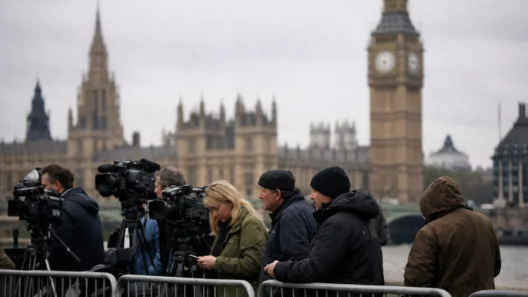









The British media landscape in March 2026 is currently dominated by high-level diplomatic friction between Prime Minister Keir Starmer and the Trump administration, alongside the escalating political rhetoric surrounding the upcoming local elections. While these stories lead the bulletins on major networks, a different set of narratives is quietly unfolding across the country. These stories, often relegated to independent investigative platforms or local newsletters, highlight systemic issues affecting the financial security, personal safety, and health of the British public. Investigative journalism has long been the backbone of a functioning democracy, yet as mainstream outlets consolidate their coverage around a few central political figures, the space for complex, ground-level reporting continues to shrink.
The disconnect between the official narrative and the lived experience of the population has reached a critical point. While economic forecasts often focus on GDP and national growth, they frequently overlook the micro-level shifts that dictate daily life for millions. Independent investigators are now filling this void, uncovering data on financial exclusion, industrial instability, and a healthcare system struggling with internal delays that rarely make the front pages. To understand the true state of the United Kingdom in 2026, one must look beyond the press releases and into the data that mainstream news often finds too inconvenient or too detailed to broadcast.
The Banking Blacklist: Uncovering the Scale of UK Financial Exclusion
One of the most significant underreported stories of 2026 involves the rapid acceleration of "de-banking": the practice where financial institutions close the accounts of individuals or businesses without providing a clear justification. While high-profile cases involving political figures have occasionally entered the mainstream, investigative reports suggest the problem is far more systemic than previously acknowledged. Recent data analysis by independent financial watchdogs indicates that over 453,000 UK bank accounts were closed by major lenders in the last twelve months. These closures are not merely the result of fraud prevention; they represent an increasingly aggressive approach to "risk profiling" that leaves thousands of legitimate citizens without access to the digital economy.
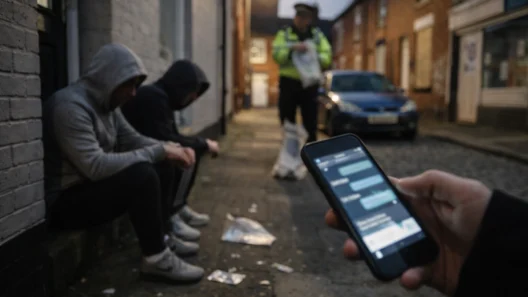
The criteria for these closures remain opaque. Whistleblowers within the banking sector have suggested that automated algorithms now flag accounts based on "reputational risk" or "unusual transaction patterns" that often include donations to alternative political groups or participation in the burgeoning cryptocurrency market. For a small business owner in the North of England, the sudden loss of a business account can lead to immediate insolvency, yet these stories are rarely picked up by national broadcasters who prioritise broader economic trends over individual financial disenfranchisement. The lack of an effective appeals process means that once a person is "blacklisted," they are effectively locked out of the modern economy, unable to receive wages or pay bills.
This trend is symptomatic of a broader shift toward a "cashless society" that many investigative journalists argue is being forced upon the public without sufficient debate. As local bank branches continue to close at a rate of five per week across the UK, the remaining digital infrastructure is becoming more exclusionary. Those who rely on cash: predominantly the elderly and lower-income households: find themselves marginalised. While mainstream news outlets focus on the convenience of digital payments, independent outlets are documenting the rise of "banking deserts" where citizens must travel over twenty miles to access basic financial services. This silent crisis is reshaping the British high street and the social contract, yet it remains a secondary concern for major media corporations.
Employment Under Pressure: The Human Cost of 2026 Corporate Restructuring
As the first quarter of 2026 concludes, the UK job market is undergoing a period of intense volatility that contradicts the optimistic employment figures released by Whitehall. While official statistics suggest that unemployment remains stable, investigative journalists have identified a growing trend of "disguised redundancies" within the tech and retail sectors. Major corporations are increasingly using performance improvement plans (PIPs) and automated surveillance tools to reduce headcount without the legal requirement for formal redundancy payouts. This shift has resulted in thousands of workers being forced out of their roles with little to no financial cushion, a story that remains largely untold as the mainstream media focuses on the success of AI-driven productivity.
The reality on the ground is stark. In industrial hubs like the Midlands, the transition to green energy and automated manufacturing has led to a series of quiet closures. While the government celebrates "green investment," investigative reporters have found that many of these new roles are temporary, low-paid, and lack the security of the traditional manufacturing jobs they replaced. There is a widening gap between the "high-skill" jobs touted in parliamentary debates and the precarious "gig economy" work that is actually available to the majority of the workforce. This discrepancy is particularly evident in the logistics sector, where the pressure of meeting automated delivery targets has led to a spike in workplace injuries and mental health crises.
Furthermore, the enforcement of new labour policies has seen a significant increase in Home Office actions. Reports suggest that approximately 2,000 individuals were deported in early 2026 following targeted raids on businesses suspected of employing undocumented workers. While mainstream outlets often frame these as isolated enforcement successes, independent investigations reveal a more complex picture of systemic exploitation. Many of those targeted had been working in the UK for years, contributing to the economy while trapped in legal limbo by a backlogged immigration system. The human cost of these enforcement actions: broken families and decimated local businesses: is a narrative that mainstream news frequently avoids in favour of simplified headlines about border security.
Health and Habitat: The Investigative Fight Against Institutional Neglect
The UK's public health landscape in 2026 is currently facing a dual threat that is receiving disproportionately low coverage in the national press. The first is a resurgence of preventable diseases, specifically meningitis. Data from independent health analysts shows a concerning rise in meningitis deaths directly correlated with falling vaccine rates across urban centres. While mainstream media occasionally mentions "vaccine hesitancy," they rarely investigate the root causes: the closure of community health clinics and the breakdown of trust between the NHS and marginalised communities. Without the investigative work of local journalists, the scale of this health crisis would remain hidden behind the broader headlines of NHS waiting lists.
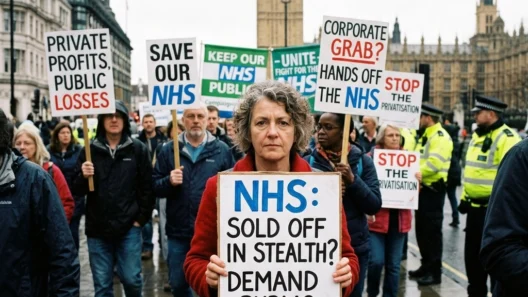
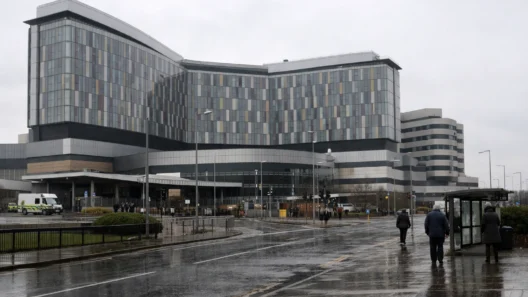
Equally concerning are the systemic delays in diagnostic services. A recent investigation into ultrasound wait times revealed that thousands of patients are facing delays of up to six months for routine scans, a bottleneck that experts warn is risking lives by delaying the detection of cancers and cardiac issues. These delays are often attributed to "staff shortages" in mainstream reports, but investigative journalism has pointed to a more deliberate cause: the outsourcing of diagnostic services to private firms who lack the capacity to handle the volume of referrals. This privatisation of the "back office" of the NHS is a quiet revolution that is fundamentally changing the nature of healthcare delivery in the UK, yet it is rarely debated with the depth it deserves.
Beyond health, the state of the UK's environment has become a focal point for independent whistleblowers. The "Toxic River" scandals of 2025 have not abated; instead, new reports suggest that illegal sewage dumping and chemical run-off have reached record levels in 2026. While mainstream outlets have moved on to other stories, independent investigative teams continue to monitor water quality and support whistleblowers within utility companies who are finally being free to speak about the internal pressures to bypass environmental regulations. These stories of institutional neglect and the bravery of those who expose them are vital to the national conversation. They remind us that the role of the press is not just to report what is happening on the surface, but to dig deeper into the stories that those in power would prefer to remain untold.