








If you have taken a stroll along the White Cliffs of Dover recently, you might have spotted more than just a few seagulls and the occasional ferry heading toward France. Just a few miles out, in one of the busiest shipping lanes in the world, a high-stakes game of cat and mouse is playing out. This isn't a plot from a spy novel; it is the reality of the Russia shadow fleet. These vessels, often aging and operating under a cloud of mystery, are navigating the English Channel every single day. While they aren't exactly "hiding" in the traditional sense, their ownership and operations are designed to stay just out of reach of international law, serving as the primary tool for sanctions evasion following the invasion of Ukraine.
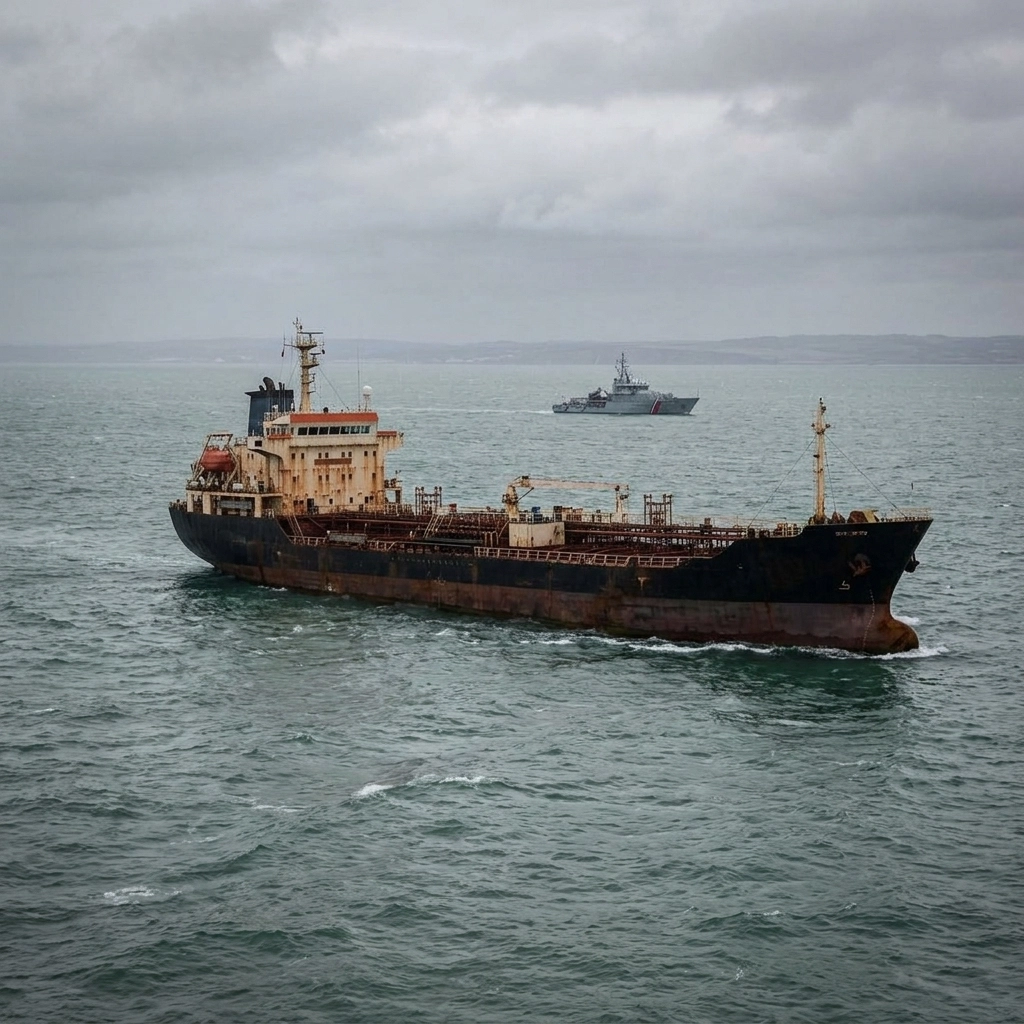
It is a strange sight to behold. On any given afternoon, a rusty tanker might glide past the Royal Navy headquarters at Portsmouth or come within six nautical miles of Dover. To the casual observer, it’s just another ship carrying cargo. But for those following the untold stories of modern maritime warfare, these ships represent billions of pounds in oil revenue that continues to fund Moscow's military efforts. Despite the heavy sanctions imposed by the UK and its allies, these "shadow" vessels continue to use British waters as a highway, testing the limits of international maritime law and the patience of the British government.
The Massive Scale of the Shadow Fleet
When we talk about the Russia shadow fleet, we aren't just talking about a handful of rogue ships. We are looking at a massive, coordinated network of approximately 800 vessels. This is a staggering number of ships that have been pulled from the fringes of the global shipping industry to create a parallel transport system. Most of these tankers are "middle-aged" or older, often over 15 years old, which is the point where most reputable shipping companies would consider retiring them due to the high risk of mechanical failure or environmental disaster.
The "shadow" element comes from how these ships are managed. They frequently change their names, their owners are often shell companies registered in jurisdictions with zero transparency, and they fly "flags of convenience" from countries like Gabon or the Cook Islands. By doing this, they can bypass the stringent requirements of the G7 price cap on Russian oil. This system of sanctions evasion has become so effective that estimates suggest nearly three-quarters of Russia's crude oil output is now moved by these vessels. This isn't just a minor leak in the sanctions bucket; it’s a massive breach that accounts for roughly 40 per cent of all Russian oil exports globally.
For those of us looking for independent news uk sources that dive deeper than the daily headlines, the presence of these ships raises serious questions about safety. Because these ships operate outside the mainstream maritime economy, they often lack proper insurance. Traditional maritime insurance providers, primarily based in the UK and Europe, refuse to cover them. Instead, they rely on opaque, often state-backed Russian insurance that may not hold up if a collision were to occur in the narrow, crowded waters of the English Channel. The thought of a 20-year-old tanker carrying hundreds of thousands of tonnes of crude oil through the Channel without Western-standard insurance is enough to give any environmentalist a sleepless night.
Navigating the Legal Loophole of Innocent Passage
You might be wondering why the UK doesn't just stop these ships. If we know they are part of a sanctions evasion scheme, why are they allowed to cruise past our naval bases? The answer lies in a complex legal concept known as "innocent passage." Under the United Nations Convention on the Law of the Sea (UNCLOS), all ships, regardless of their cargo or the sanctions status of their owners, have the right to pass through the territorial waters of a coastal state as long as their passage is not "prejudicial to the peace, good order, or security of the coastal state."
This legal loophole is what the Russia shadow fleet exploits so effectively. As long as they keep moving, don't stop to smuggle goods, don't launch aircraft, and don't engage in military exercises, they are technically protected. Maritime law experts, such as James Turner KC, have pointed out that "innocent passage" is a foundational principle of global trade. If the UK were to unilaterally start seizing ships based solely on their cargo’s origin, it could set a precedent that might see British vessels harassed in other parts of the world. It is a delicate diplomatic balancing act.
However, the pressure is mounting. Recently, ships like the Vayu 1, a sanctioned tanker, have been tracked coming incredibly close to the UK coastline. Reports indicate that at least 42 sanctioned vessels have passed through the Channel unchallenged in recent months, though the actual number is likely much higher. The sight of these ships, often with their AIS (Automatic Identification System) transponders turned off or "spoofed" to show a different location, highlights the brazen nature of the operation. They are essentially using the very international laws they are trying to circumvent as a shield to protect their journey through British waters.
Britain's Evolving Response and the Future of the Channel
The British government hasn't been sitting idly by while these tankers parade past Dover. Prime Minister Keir Starmer has taken a notably firmer stance, declaring that British forces have the authorisation to intercept, board, and potentially detain vessels suspected of illegal activity or those that pose a direct threat to safety. This marks a significant shift in policy. The UK has already sanctioned over 500 vessels linked to the Russian shadow fleet: the highest number of any nation: and the impact is starting to show. In the first quarter of 2025 alone, it’s estimated that sanctioned vessels carried over £1 billion less oil than the previous year.
The strategy is now moving toward international cooperation. The UK is coordinating with the Joint Expeditionary Force, which includes allies like Finland, Sweden, and Estonia, to create a "ring of steel" around the North Sea and the Baltic. By sharing intelligence and tracking data, these nations are making it increasingly difficult for the Russia shadow fleet to operate with impunity. We are seeing a shift where some tankers have actually begun veering away from the English Channel, choosing longer, more expensive routes around the west of Ireland or through the northern Atlantic to avoid the risk of interception.
The goal isn't just to stop the oil; it's to make the cost of sanctions evasion so high that the shadow fleet becomes economically unviable. If a tanker has to take a route that is thousands of miles longer, uses more fuel, and risks being boarded by the Royal Navy, the profit margins for Moscow begin to shrink. Moreover, by shining a light on these untold stories, the UK is pressuring the "flag states" that provide the legal cover for these ships to de-register them, effectively stripping them of their right to sail.
As we look toward the future, the English Channel remains a critical frontline in this economic conflict. The presence of the Russia shadow fleet is a reminder that sanctions are not a "set and forget" tool. They require constant monitoring, legal evolution, and physical enforcement. While the legal right of innocent passage remains a hurdle, the increasing readiness of the UK and its allies to challenge these "ghost ships" suggests that the Channel may soon become a very unwelcome place for those looking to fund conflict through the shadows.
The situation with the Russia shadow fleet represents a complex intersection of international law, environmental risk, and global security. While these vessels continue to navigate the English Channel, the concerted efforts of the UK government and international partners are beginning to tighten the net around this clandestine network. The ongoing surveillance and sanctioning of these tankers serve as a primary defence against the financing of military aggression, ensuring that the rules of the sea are not used as a permanent cover for illegal activity. Monitoring this situation remains essential for maintaining the integrity of international sanctions and the safety of British coastal waters.