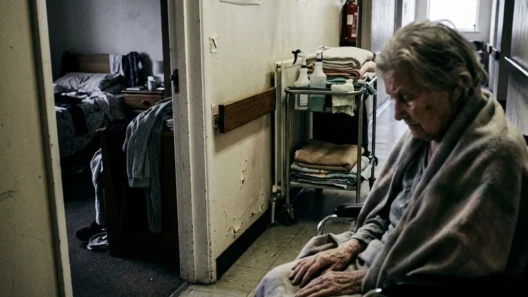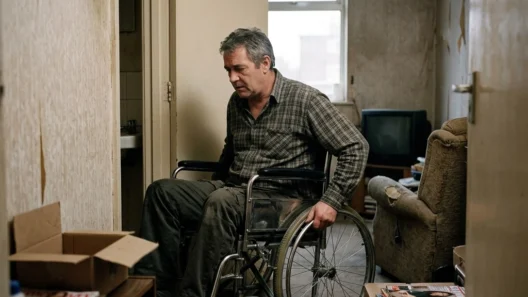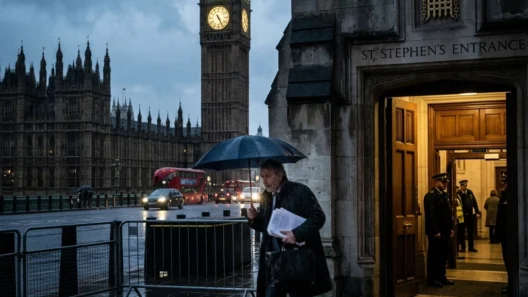









The National Health Service is often described as the backbone of British society, a symbol of care and collective responsibility that many people still deeply value. But behind the familiar blue-and-white branding and the hard work of frontline staff, a much more troubling picture has been coming into view. For readers looking to independent news uk coverage, these are exactly the kinds of untold stories that matter most: the ones that are uncomfortable, urgent and impossible to ignore. The case of "Patient 11" has become a deeply upsetting example of a much wider safety crisis inside NHS mental health wards.
The investigation into Patient 11’s experience has opened up a conversation that goes far beyond one case. It points to a serious failure to protect some of the most vulnerable people in society. People admitted to mental health units should be entering places of care, stability and recovery. Instead, recent findings suggest that in too many cases, those settings have also exposed patients to real danger. Reports of sexual harassment and assault inside wards have forced a difficult but necessary conversation about safety, accountability and what patients should be able to expect from psychiatric care.
Understanding the Patient 11 Investigation
The details surrounding Patient 11 are deeply distressing. The case exposed a shocking lack of security and oversight inside mental health units. What stands out most is that the investigation did not point to one rare incident. It suggested a pattern of predatory behaviour and harassment across multiple wards. Patients who are already living with trauma, psychosis or severe depression have, in some cases, been left at risk in the very places meant to support them.
The scale of the problem is hard to ignore. Reports indicate that thousands of sexual incidents have been logged across NHS mental health trusts in recent years. These range from harassment and inappropriate comments to allegations of serious assault. Just as worrying is the silence that can surround these incidents. Many patients fear they will not be believed, or they worry about speaking up while still dependent on the same institution for care. That creates space for harmful behaviour to continue unchecked, and it helps explain why Patient 11 is seen as part of a much wider failure rather than a one-off case.
Staffing pressures and ward design have also added to the problem. When teams are stretched too thin, maintaining a consistently safe environment becomes much harder. Checks that should happen regularly can be delayed or missed, creating opportunities for harm. That does not make this simply an individual failure. It points to a system pushed beyond safe limits, where essential protections become harder to deliver in practice.
A Systemic Breakdown Across the NHS
The sexual safety crisis in mental health wards sits within a much bigger pattern of safety problems across the NHS. Data has shown that serious warning-sign incidents are happening on more than half of all shifts in some settings. In plain terms, that means patient safety is being compromised far too often. These incidents can include falls, medication mistakes, delayed care and, in the worst cases, preventable deaths linked to overstretched services.
The link between staffing and patient outcomes is hard to dispute. Where staffing levels are safer, incident rates are lower. Where services are understaffed, risks rise sharply. That is one reason so many recent accounts from hospitals feel so alarming. There have been reports of patients waiting in corridors for long periods, being treated in unsuitable spaces and not getting the level of monitoring they need because staff are trying to cover too much at once.
The wider breakdown is not only about statistics. It is about the human impact on patients, families and staff. Concerns around maternity and neonatal safety, along with persistent racial inequalities in care, show how deep these pressures run. Public trust has fallen sharply, and rebuilding it will take more than promises. It will require practical changes, clearer accountability and a serious commitment to safer care across the system.
Implementing Change and Same-Sex Care
In response to the Patient 11 investigation and the wider safety concerns, new measures have been proposed to better protect patients. One of the main areas of focus is stronger same-sex care provision. The thinking is fairly straightforward: secure and appropriately separated environments may help reduce the risk of harassment and assault, while also creating settings that feel safer for people recovering from trauma.
Even so, same-sex care on its own is unlikely to solve everything. Many healthcare experts argue that meaningful change also depends on culture, staffing and accountability. Staff need better support and clearer processes for identifying, reporting and responding to harmful behaviour. Patients also need to feel safe enough to raise concerns without fearing they will be ignored or disadvantaged.
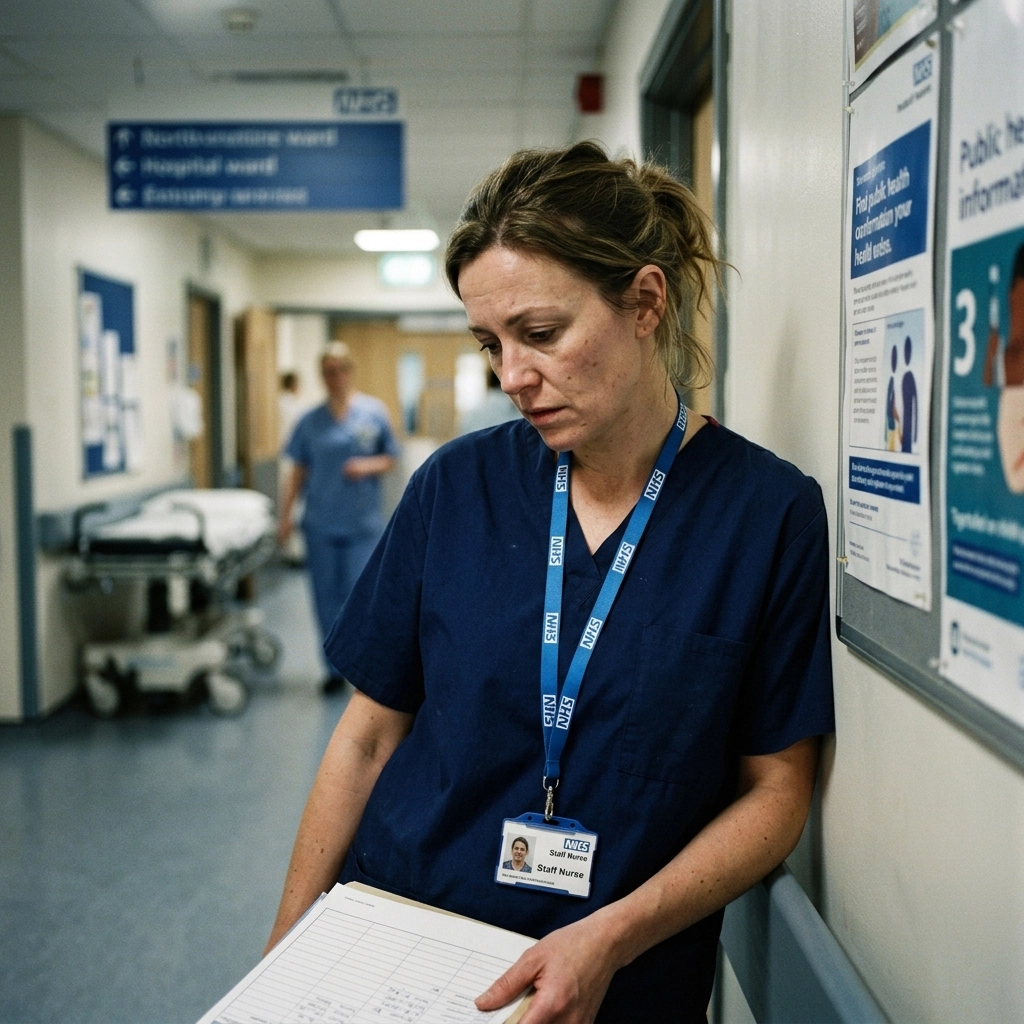
Beyond ward arrangements, there is a wider question about workforce capacity. A safer NHS depends on enough nurses, doctors and support staff being available to do the job properly. The experiences of staff often reveal another side of these untold stories: burnout, exhaustion and a system under relentless strain. The Patient 11 case has become a wake-up call, but lasting improvement will depend on whether these lessons lead to practical and sustained reform.
Ensuring patient safety is not optional; it is central to healthcare. As the NHS faces scrutiny and pressure to improve, the voices of patients must remain at the heart of the discussion. Listening to those who have experienced harm will be essential if meaningful change is to happen. The challenges are significant, but so is the need for a system that protects every person in its care.