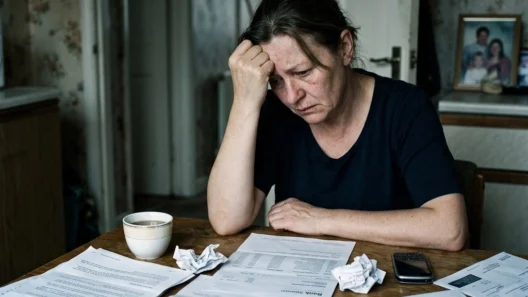









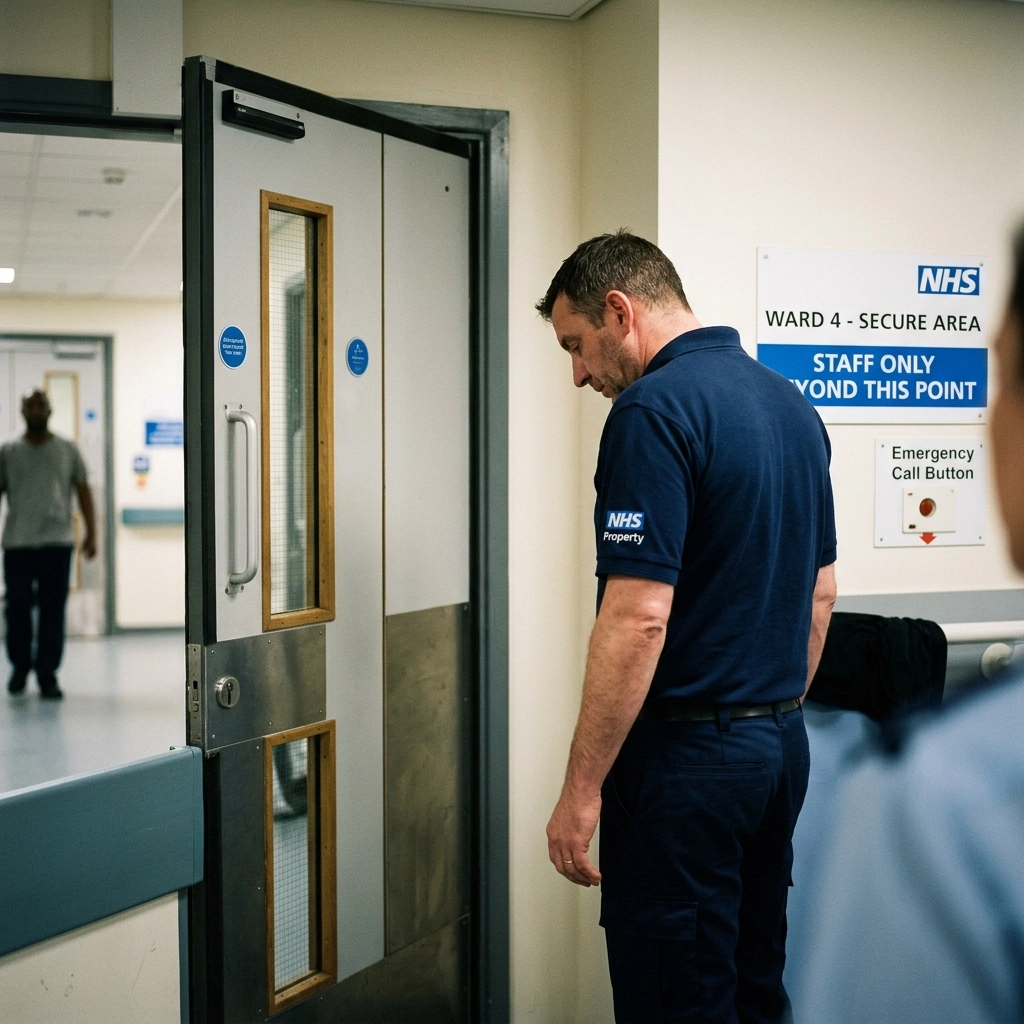
The NHS is often described as the backbone of British society, a source of pride that promises care from cradle to grave. But inside the quiet corridors of mental health wards, a more troubling picture often emerges. The system is stretched to its limit, and the promise of safety, both physical and psychological, is getting harder to keep. For anyone admitted during a mental health crisis, hospital should feel like a place of protection. Yet recent investigations and first-hand accounts suggest that, for many patients, that sense of security is missing when it is needed most.
At the heart of the issue is a safety crisis that appears to be deepening. Statistics suggest that roughly one in five mental health patients do not feel safe while under NHS care. This goes far beyond discomfort or the sterile feel of a hospital setting; it points to a serious failure to protect some of the most vulnerable people in our communities. From staffing shortages to missed physical health checks, the pressure on wards is building. As part of our commitment to independent news uk, we are looking at the untold stories of people who have experienced this system first-hand, revealing how the struggle for safety has become part of daily life on too many wards.
The challenges are multifaceted. It isn't just one single point of failure but rather a series of overlapping issues that create an environment of risk. Staff members, who are often dedicated and hardworking, are frequently operating in "survival mode." When a ward is understaffed, the priority naturally shifts from therapeutic engagement to basic containment. This shift leaves patients feeling unheard and, in many cases, invisible. When people feel invisible in a high-stakes environment, the risk of incidents increases, creating a cycle of trauma that can be incredibly difficult to break.
The Delicate Balance of Mixed-Sex Environments
One of the most sensitive issues in mental health care is the reality of mixed-sex environments. National guidance has long aimed to reduce or remove mixed-sex accommodation in order to protect dignity and safety, but the day-to-day picture is often far messier. In practice, some patients still end up in spaces where they feel exposed, unsettled or vulnerable. For someone already in deep psychological distress, that extra layer of anxiety can seriously disrupt recovery.
Accounts from both patients and staff suggest that these mixed-sex spaces do not always come with the safeguards people would reasonably expect. That is not just a paperwork problem; it can have a direct impact on wellbeing, especially for people with a history of trauma or abuse. The issue is often tied to the wider shortage of beds. When capacity is tight, managers are left making difficult decisions, sometimes placing patients in environments that are far from ideal simply because there is nowhere else available.
That pressure affects the whole ward. Staff already working at full stretch may need to monitor situations more closely, but often without the time or resources to do it properly. The result can be a constant sense of unease. Patients have described feeling as though they need to stay alert at all times, which is the opposite of what a therapeutic space should offer. These are the untold stories that do not always appear in official summaries but shape real experiences across the UK. Fixing the problem will take more than policy tweaks; it will require genuine investment in ward design, capacity and patient dignity.
The Human Cost of Staffing and Resource Gaps
It is impossible to talk about safety in the NHS without talking about the people delivering care. Right now, the mental health workforce is under huge strain. Vacancy rates remain high, while burnout and sickness have left many wards operating with minimal cover. When there are simply not enough staff on shift, patient safety is affected straight away. Essential tasks such as regular observations and physical health checks can be delayed or missed altogether.
Research suggests that around 41% of patients on mental health wards miss important physical health assessments. That is a worrying figure, especially given that people with severe mental illness are already at greater risk of physical health problems. If a patient begins to deteriorate physically while staff are tied up managing another crisis, the outcome can be serious. Some staff have spoken about the sense of panic that can arise during medical emergencies when teams are stretched thin and support is limited.
The gap in resources is not only about headcount; it also affects the quality and consistency of care. Safety in a mental health setting is not just about alarms, locks or procedures. It is also about relational security, the trust and understanding built between staff and patients. When wards rely heavily on temporary staff who may not know a patient's history, needs or triggers, that trust becomes much harder to build. In those circumstances, restrictive interventions can become more common, not necessarily because staff want that outcome, but because they have fewer options available to calm situations early. That can leave patients feeling further isolated at a time when connection matters most.
Moving Towards a Safer Model of Mental Health Care
So where does that leave the NHS? Many experts and people with lived experience agree that the current approach is no longer enough. A system this overstretched cannot keep being patched up around the edges. One of the clearest routes to better safety is stronger investment in both physical infrastructure and frontline care. Wards need to be modern, properly designed and genuinely fit for purpose, with patient safety and recovery considered together rather than separately.
The workforce also needs sustained support. That means recruiting more staff, but it also means giving current teams the training, backing and stability they need to do the job well. Peer support workers, who bring their own lived experience of mental health challenges, are increasingly seen as an important part of that picture. They can help build trust, reduce tension and make patients feel more understood in environments that can otherwise feel intimidating.
Physical health monitoring should also be built into everyday ward practice as a basic standard, not treated as an extra if time allows. No patient should come to harm because their physical needs were missed in a mental health setting. Better digital tools that record checks in real time and flag concerns early could help reduce missed assessments and give staff a clearer view of risk.
As we continue reporting through independent news uk, it is clear that meaningful progress will depend on transparency and a willingness to listen to the untold stories of patients and staff alike. Safety is not an optional extra in mental health care; it is the starting point for recovery. A safer model will require investment, honesty and sustained action, but it is essential if the system is to offer the care and dignity people deserve.
The journey towards safer care starts with acknowledging what is not working without placing all the blame on overstretched staff. It calls for a broader rethink of how psychiatric care is delivered in the 21st century. If dignity, consistency and human connection are treated as core parts of safety, not afterthoughts, mental health wards can move closer to being the secure and therapeutic spaces they are meant to be.