For many people living in quiet market towns or rural coastal villages, the phrase "County Lines" might sound like something out of a police procedural drama. However, for communities across the United Kingdom, it represents a harsh and often violent reality. It is a sophisticated criminal business model that has transformed the landscape of illegal drug distribution, and its impact is felt in every corner of the country. At NowPWR, we believe in bringing you independent news uk that looks beneath the surface, highlighting the untold stories that affect our society most profoundly.
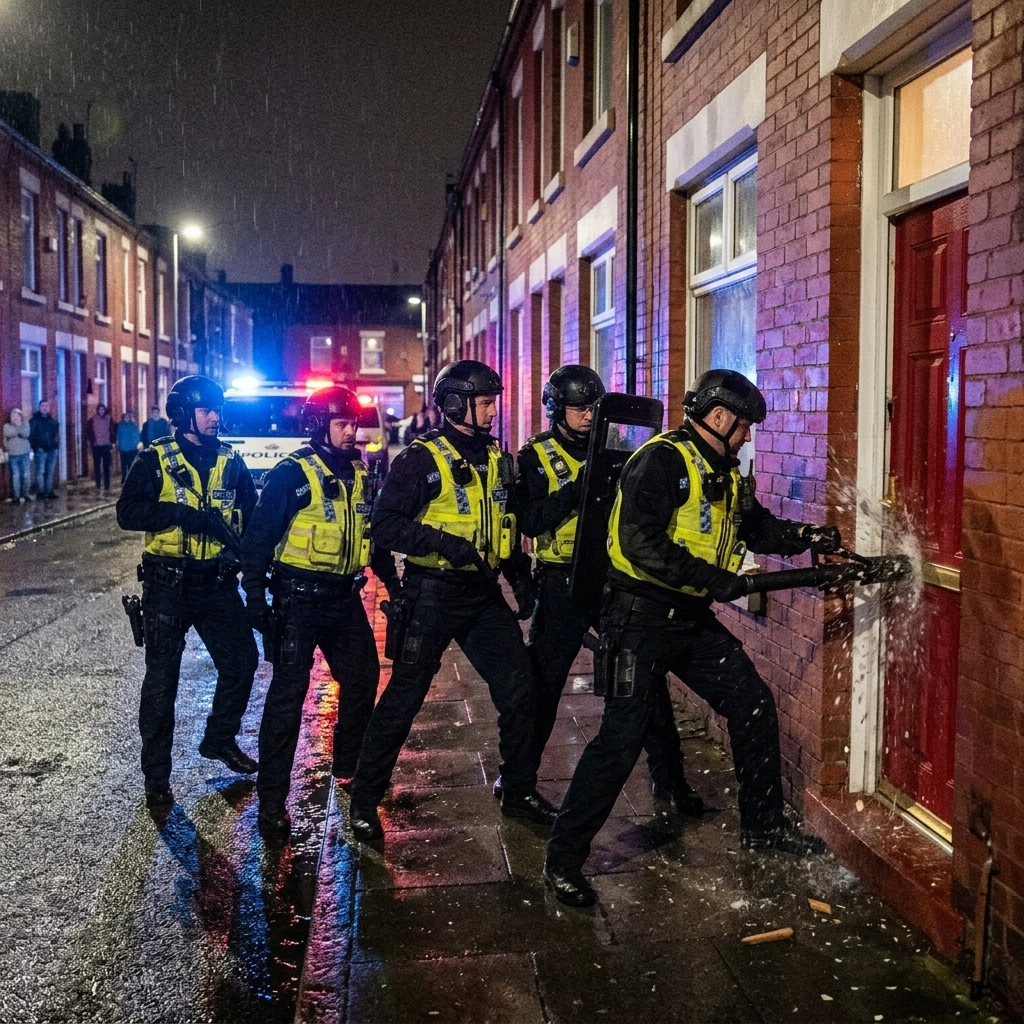
Recent weeks have seen a massive, coordinated effort by British police forces to dismantle these networks. This wasn’t just a series of small-scale raids; it was a nationwide offensive designed to strike at the heart of organised crime. Led by the National County Lines Coordination Centre (NCLCC), the operation spanned England, Scotland, and Wales, involving every single police force in a show of unity and strength. The goal was simple: to shut down the phone lines used to sell drugs and, more importantly, to rescue the vulnerable people caught in the crossfire.
To understand the scale of this crackdown, one has to understand what "County Lines" actually means. It refers to the practice where organised criminal groups (OCGs) from large urban hubs: like London, Birmingham, or Liverpool: expand their drug dealing operations into smaller towns. They use dedicated mobile phone lines, known as "deal lines," to take orders. The "heavy lifting" and high-risk work is then offloaded onto "runners," who are frequently children or vulnerable adults coerced into the trade through debt, threats, or the promise of a lifestyle they will never actually see.
The Logistics of the National Enforcement Week
The sheer volume of activity during this recent intensification week is staggering. In a period of just seven days, police forces managed to arrest more than 2,180 individuals. This wasn’t just about picking up low-level street dealers; the focus was on the "line holders": the individuals sitting comfortably in cities, managing the logistics and reaping the profits while others took the risks. By targeting these higher-tier criminals, the police successfully shut down 335 active drug lines, effectively cutting off the supply to thousands of users and disrupting the flow of capital back to criminal syndicates.
The seizures made during these raids provide a grim look into the wealth and violence associated with this trade. Officers recovered over 180kg of Class A drugs, including significant quantities of heroin, cocaine, and crack cocaine. Beyond the drugs themselves, the financial impact was massive, with over £1.5 million in cash seized. But perhaps most concerning was the weaponry removed from our streets. A total of 377 bladed weapons: including machetes, axes, and swords: were taken out of circulation, along with 121 firearms and accompanying ammunition. These aren't just tools of the trade; they are instruments of terror used to maintain control over territories and people.
The assets seized also told a story of the lavish lifestyles some of these criminals lead while exploiting others. Along with 100 vehicles and over 1,200 mobile phones, police discovered designer clothing, a gold suitcase, and even a gold bar. These items are a far cry from the reality of the young runners who often find themselves sleeping in squalid conditions, far from home, just to keep the operation running. It is these untold stories of disparity that highlight why such crackdowns are essential for community safety.
Protecting the Most Vulnerable from Exploitation
While the arrests and seizures make the headlines, the most critical aspect of the operation was the safeguarding of individuals. County Lines is built on exploitation. One of the most effective tactics used by gangs is "cuckooing." This is where criminals take over the home of a vulnerable person: perhaps someone with mental health issues, a drug addiction, or an elderly resident: and use it as a base to store and sell drugs. During this crackdown, police visited 683 suspected cuckooed addresses, offering support to those whose lives had been hijacked by gangs.
The human cost is most visible when looking at the ages of those involved. During the week of action, 1,348 people were safeguarded, including 252 girls and 544 boys under the age of 18. Some of the children identified as being involved in these networks were as young as 14, and in one particularly shocking case in Birmingham, two children under the age of 13 were found in a property where 9kg of Class A drugs were being held. These children are not "criminals" in the traditional sense; they are victims of modern slavery, groomed and manipulated into a life of crime before they are even old enough to leave school.
The police work closely with various partners, including local authorities and charities, to ensure that once these people are rescued, they aren't simply left to fall back into the same traps. Referral services play a vital role in providing a way out. By focusing on safeguarding, the UK police are acknowledging that we cannot simply arrest our way out of this problem. We must also address the social vulnerabilities that allow these gangs to thrive in the first place. This holistic approach is a key part of the broader strategy to make our streets safer for everyone.
A Regional Perspective and the Long-Term Strategy
The impact of this crackdown was felt nationwide, with specific operations highlighting the local reach of these gangs. In Cardiff, for instance, a gang known for exploiting children was systematically dismantled. Four men were arrested and charged after officers found a loaded handgun and significant quantities of heroin and cocaine. This operation didn't just stop the drugs; it removed a violent threat from a residential area where families live and children play. This is the reality of independent news uk reporting: uncovering the specific local impacts of national issues.
This "intensification week" is part of a much larger, ongoing campaign. Looking at the data from July 2024 to September 2025, the County Lines Programme has been incredibly active. Over that period, more than 3,000 lines were closed and over 8,000 arrests were made. This shows a sustained pressure on criminal networks rather than a one-off event. The goal is to make the "County Lines" business model so high-risk and low-reward that it becomes unsustainable for these groups to operate.
However, as any police officer will tell you, as soon as one line is closed, another often attempts to open. The resilience of these criminal networks means that the police must remain equally resilient. The success of these operations relies heavily on intelligence from the public. Residents noticing unusual activity: such as a sudden increase in visitors to a neighbour’s house, or young people they don't recognise hanging around: often provide the final piece of the puzzle that allows a raid to take place. It is a collective effort between the authorities and the communities they serve.
As we look toward the future, the focus remains on education and prevention. By teaching young people about the signs of grooming and the reality of the "glamorous" life promised by gangs, we can begin to dry up the pool of recruits that these OCGs rely on. The massive crackdown we have seen recently is a testament to what can be achieved when resources are focused and forces work together. While the fight against County Lines is far from over, these results show that the tide is turning, and the reach of the law is extending further than ever before.
The operations carried out across the UK demonstrate a firm commitment to tackling the root causes of drug-related violence and exploitation. By removing weapons, seizing illegal assets, and, most importantly, protecting the vulnerable, the national police forces are making a tangible difference in the safety and security of our towns and cities. The road ahead remains challenging, but the coordination and success of this recent crackdown provide a clear roadmap for how to combat organised crime in the modern age. Through continued vigilance and community support, the goal of dismantling these predatory networks remains a top priority for law enforcement across the country.