








The early hours of a spring morning in the UK usually bring a sense of quiet, but for thousands of police officers across England, Scotland, and Wales, the silence was recently broken by the synchronised sound of doors being forced open. We are looking at one of the largest coordinated efforts in British law enforcement history. This massive crackdown on “County Lines” drug networks has sent shockwaves through the criminal underworld, resulting in over 2,000 arrests and the rescue of hundreds of children who had been caught in the crossfire of organised crime.
County Lines is a term that has become sadly familiar in our national vocabulary. It refers to the specific way illegal drug networks operate, moving substances from large urban hubs into smaller towns and rural areas. They use dedicated mobile phone lines: the “lines”: to take orders and coordinate deliveries. It is a business model built on the exploitation of the young and the vulnerable, and the scale of the recent police response shows just how seriously the authorities are taking this growing threat to our local neighbourhoods.
The week-long intensification operation, led by the National County Lines Coordination Centre (NCLCC), was an all-out offensive. It wasn’t just about making arrests; it was about dismantling the very infrastructure that allows these gangs to thrive. By the time the week drew to a close, the numbers were staggering: 2,180 people were in custody, and 335 individual drug lines had been permanently shut down.
The Scale of the Seizures and Criminal Assets
When we talk about the logistics of these raids, the sheer volume of illicit items recovered is hard to fathom. Officers didn’t just find small packets of substances; they uncovered a mountain of evidence that points to the immense profitability and violence of these networks. Over 180kg of Class A drugs were taken off the streets, including roughly 86kg of heroin and 84kg of cocaine. To put that in perspective, every gram removed represents a potential overdose avoided or a family spared the trauma of addiction.
Beyond the drugs, the financial side of these operations was laid bare. Police seized more than £1.5 million in cash, but perhaps more surprising were the high-value assets used to launder money or show off criminal status. Gold bars and designer goods were found tucked away in residential properties, far removed from the glamour usually associated with such wealth. It’s a stark reminder that while the runners on the street often live in squalor, the “line holders” at the top are reaping massive financial rewards.
The arsenal of weapons recovered during the raids highlights the dangerous reality of gang life in the UK. Officers removed 377 bladed weapons: ranging from kitchen knives used for protection to terrifying machetes and axes. Perhaps even more concerning was the discovery of 121 firearms and a variety of other weapons, including knuckledusters, batons, and even a crossbow. This trend of escalating weaponry is something we’ve explored before, particularly in how these items often find their way into other criminal sectors, including the smuggling of weapons into prisons. Seeing this volume of hardware on the streets explains why tackling County Lines is a cornerstone of the government’s wider strategy to halve knife crime over the next decade.
Protecting the Vulnerable and the Reality of Cuckooing
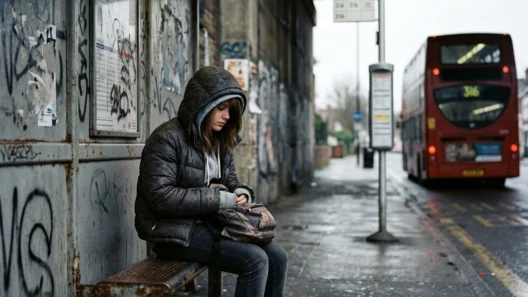
While the headlines often focus on the arrests and the hauls of cash, the true success of this operation lies in the human lives saved. During this single week, police managed to safeguard 1,348 people. Among them were 796 children: 252 girls and 544 boys: all under the age of 18. These children are frequently groomed by gangs, lured in by the promise of easy money or expensive clothes, only to find themselves trapped in a cycle of debt bondage and violence.
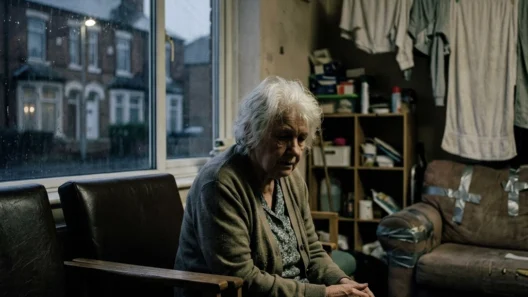
A particularly harrowing aspect of the County Lines model is “cuckooing.” This is where criminals take over the home of a vulnerable person: perhaps someone with mental health issues or a history of addiction: and use it as a base for their drug operations. During the crackdown, officers visited 683 suspected cuckooed addresses. For the residents of these homes, the police arrival is often less of a raid and more of a rescue. They are frequently held hostage in their own lives, too terrified to speak out as their living rooms become hubs for drug packaging and weapon storage.
This exploitation creates deep scars in our society. When criminal networks move into a quiet cul-de-sac or a small village, they bring with them a culture of fear that can be hard to shift. This is a primary driver of rising tensions in UK communities, where residents feel caught between the threat of the gangs and the frustration that the problem seems so pervasive. The recent operation shows a shift towards a more proactive approach, prioritising the rescue of the “runners” and the victims of cuckooing alongside the prosecution of the kingpins.
The Human Cost and the Role of Untold Stories
At NowPWR, we believe that providing independent news UK audiences can trust means looking past the police press releases to find the heart of the matter. Every one of the 2,180 arrests tells a story. Some are stories of career criminals who have caused untold misery, but many others are untold stories of families who have watched their teenage children disappear into a world of “trap houses” and burner phones. The human cost of County Lines is not just measured in jail time; it is measured in lost potential and broken homes.
The National County Lines Coordination Centre has been working tirelessly to bridge the gaps between different police forces. Because these gangs operate across borders, a dealer might live in London, run a line in a seaside town in Norfolk, and use a child from Birmingham as the delivery driver. In the past, this geographical spread made them difficult to track. However, the success of this latest operation demonstrates that the net is tightening. Between July 2024 and September 2025, the broader programme saw over 3,000 lines closed and 8,000 arrests made, showing that this isn’t just a one-off “week of action” but a sustained war of attrition against organised crime.
As an independent news UK platform, we are committed to highlighting these untold stories: the ones that don’t always make the evening bulletin. Whether it’s the grandmother whose home was cuckooed or the 14-year-old who was manipulated into carrying a machete, these are the narratives that define the current state of our country. The recovery of 23 dangerous dogs and 15,000 cannabis plants during this week alone shows the sheer variety of criminal activity that feeds into the County Lines ecosystem.
The fight against these networks is far from over. For every line that is closed, another group of entrepreneurs in the criminal underworld is likely looking for a way to fill the vacuum. But with over 2,000 people off the streets and nearly 800 children back in a place of safety, the message from the authorities is clear: the UK is no longer a soft touch for those who wish to profit from the misery of others. As we move forward, the focus remains on education and prevention, ensuring that the next generation isn’t lured into the same traps that were sprung during this massive national crackdown.
The success of these raids marks a significant milestone in reclaiming our streets. By dismantling the structures of these gangs and addressing the root causes of exploitation, there is a glimmer of hope for the communities that have been under the shadow of County Lines for far too long. We will continue to monitor the impact of these operations and share the progress being made to keep our neighbourhoods safe.