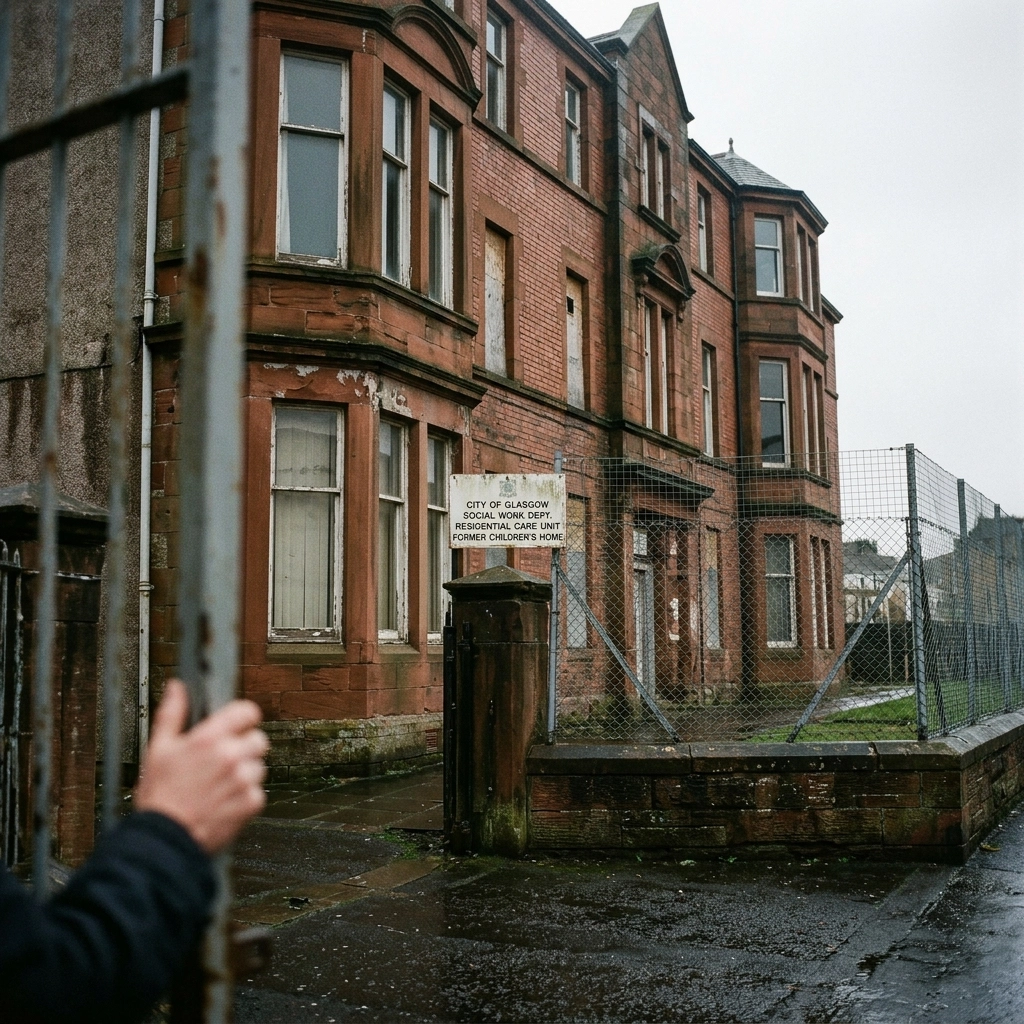
The news out of Glasgow regarding the "Beastie House" is the kind of story that makes you stop and really think about the world we live in. It is a story of a horrific drug den where a paedophile ring operated, but more than that, it is a story about how the safety nets we trust to protect the most vulnerable among us simply fell apart. When we talk about child protection, we like to think of it as a solid, unbreakable shield. In the case of these children in Glasgow, that shield was more like a sieve.
At NowPWR, we believe in looking at these situations not just as isolated tragedies, but as systemic failures that require a deep dive into the "why" and the "how." The Beastie House wasn't a secret tucked away in an unreachable corner of the city. It was a known quantity. The activities happening there were devastating, yet the children caught in that web were supposed to be under the watchful eye of the state. Understanding how this happened is the first step in making sure it never happens again.
The details of the case are grim. Children were subjected to unimaginable abuse in a property that was notorious for drug activity. But the real sting in the tail is that many of these children were already known to the authorities. They weren't "slipping through the cracks" in the traditional sense; they were standing right in the middle of the system, and the system still failed to see them. It raises serious questions about the effectiveness of current safeguarding protocols and the communication between different government agencies.
The Broken Promise of the Protection Register
One of the most distressing aspects of the Beastie House case is that several of the victims were actually on the child protection register. The register is meant to be the highest level of alert for at-risk children. When a child’s name is on that list, it should trigger a series of intensive interventions, regular check-ins, and a multi-agency approach to ensure their safety. Instead, for these kids, the register was little more than a piece of paper.
Being on the register should have meant that social services, the police, and health professionals were all in constant communication. It should have meant that any red flag: no matter how small: was met with immediate action. Yet, the abuse continued. This points to a massive institutional failure where the process of "registering" a child becomes the end goal, rather than the starting point for active protection. It suggests a "tick-box" culture where the paperwork is completed, but the actual lived reality of the child remains unchanged.
Furthermore, these agencies had explicit duties of care. They were legally and morally obligated to intervene. The fact that they were aware of the children’s circumstances and still failed to prevent further harm is an indictment of the internal structures within Glasgow’s social care system. It wasn’t a lack of information that was the problem; it was a lack of meaningful action based on that information. This is why we need to focus on these untold stories: the stories of what happens behind the closed doors of bureaucracy when the system stops working for the people it is meant to serve.
Red Flags in the Hallway and the Classroom
Beyond the formal registers, there were plenty of everyday signs that something was desperately wrong. One of the biggest indicators was the chronic school absences of the victims. In any functioning safeguarding environment, a child missing significant amounts of school is one of the loudest alarms you can ring. Schools are often the front line of child protection. Teachers and staff see children every day; they notice when a child is withdrawn, when they are hungry, or when they simply stop showing up.
In this case, the warnings from the classroom were ignored. When a child is consistently absent, there is supposed to be a follow-up process. Someone should be knocking on the door. Someone should be asking why that child isn't in their seat. The fact that these children were able to vanish from the education system without triggering a massive emergency response shows a breakdown in the relationship between schools and social services. It’s a gap that predators are all too happy to exploit.
Then there were the visible signs of neglect. Neglect isn't always subtle. It shows up in the clothes a child wears, their physical health, and their demeanour. Reports indicate that these signs were blatant. People saw these children, and the agencies involved had contact with them, yet the dots were never connected. This kind of "institutional blindness" happens when professionals become desensitised to the poverty and chaos often found in drug-affected communities. They might see a neglected child and view it as a "product of their environment" rather than a critical safeguarding emergency. At NowPWR, we think it’s vital to challenge this mindset. Every child, regardless of their background, deserves the same level of protection and urgency.
Beyond the Review: Seeking True Institutional Change
In the wake of these revelations, an SNP minister has admitted that the system "reeks of institutional failures." It is a rare moment of blunt honesty from the political sphere. To address this, an independent review has been commissioned. Crucially, this review is being led by someone from outside Glasgow to ensure a level of objectivity that might be missing from an internal investigation. This is a standard response to a crisis, but for many, it feels like too little, too late.
The review aims to establish exactly what lessons can be learned and what actions are needed to prevent a repeat of the Beastie House horror. While reviews are necessary, they often result in long reports that gather dust on shelves while the underlying issues: underfunding, high staff turnover in social work, and poor inter-agency communication: remain unaddressed. The "lessons learned" narrative is one we hear after every major safeguarding scandal in the UK. The real challenge is turning those lessons into a fundamental shift in how we value and protect children.
As an independent news uk platform, we believe that public pressure is the only thing that keeps these reviews honest. It is easy for the "system" to protect itself by blaming individuals or specific "errors in judgement." But when the failures are this widespread, the problem is the system itself. We need to look at how we fund our social services and how we support the people on the front lines. If social workers are overwhelmed with cases, they cannot give any single child the attention they need. If police are focused solely on drug arrests rather than the collateral damage to children in those environments, the cycle of abuse will continue.
The Beastie House is a dark chapter in Glasgow’s history, but it serves as a necessary wake-up call for the entire country. It reminds us that safeguarding is not a passive act; it is an active, aggressive pursuit of safety for those who cannot protect themselves. We cannot afford to let these stories fade away once the headlines move on. We owe it to the victims to keep asking the difficult questions and to demand a system that actually does what it says on the tin.
The failure here wasn't just a lack of resources; it was a lack of courage to intervene when the signs were staring everyone in the face. Moving forward, the goal must be to create a culture where the safety of the child is the absolute priority, overriding any bureaucratic hurdle or professional hesitation. Only then can we say we have truly learned the lessons of the Beastie House.
The independent review will eventually release its findings, and there will likely be calls for new legislation or updated guidelines. But laws are only as good as the people who implement them. We need a fundamental cultural shift in how government agencies interact with each other and the communities they serve. This isn't just about Glasgow; it's about a national standard of care that ensures no child is left to fend for themselves in a "beastie house" ever again. We will continue to follow these developments and provide a space for the stories that the mainstream might prefer to forget.