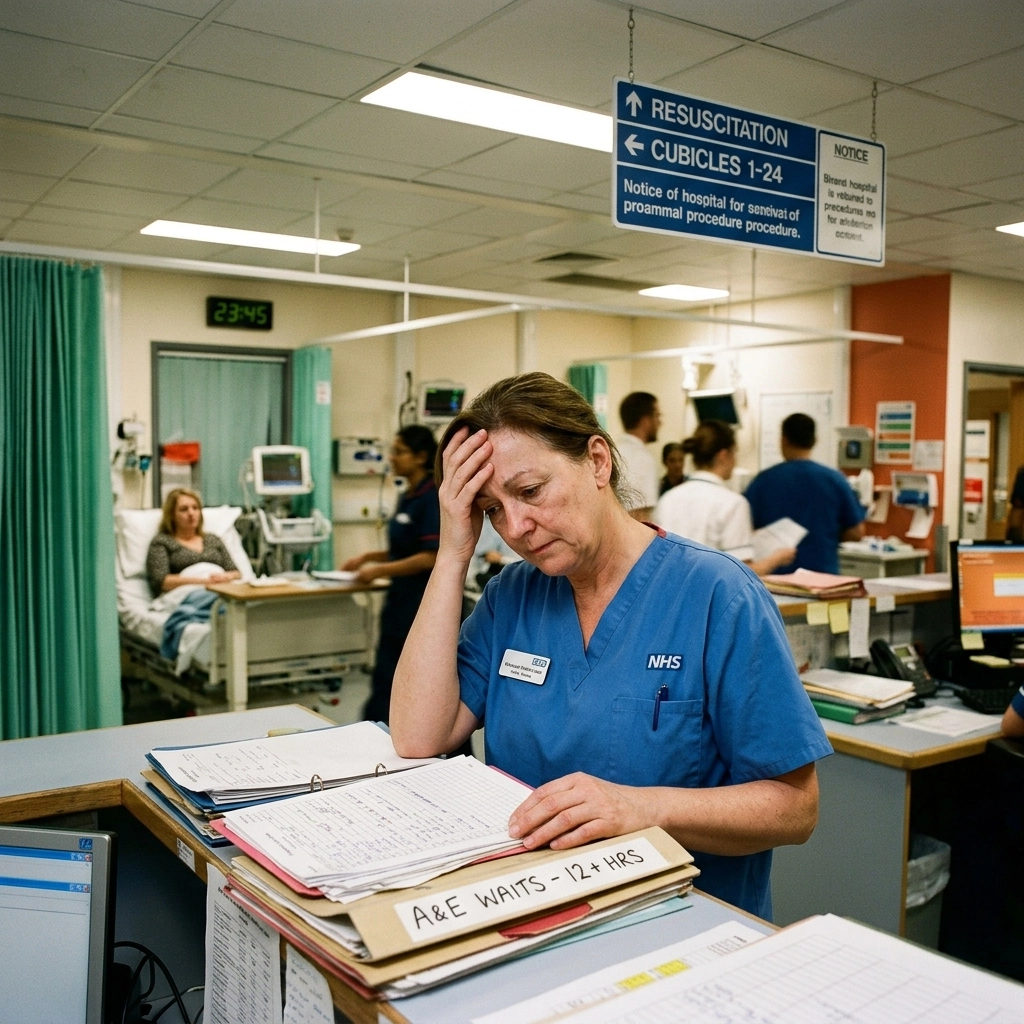
It is no secret that the NHS has been feeling the pinch for quite some time, but the latest figures suggest that we are moving from a "tighten your belt" phase into a full-blown financial crisis. With a reported deficit hitting the £4.9bn mark, the conversation has shifted from how to improve services to how to simply keep the doors open. For anyone who relies on the health service: which, let’s be honest, is all of us: the growing gap between the budget available and the cost of care is becoming impossible to ignore.
At NowPWR, we believe in digging into the stories that often get buried under layers of political jargon. While the headlines focus on the eye-watering billions, the reality is found in the hospital corridors, the GP waiting rooms, and the maintenance cupboards. The deficit isn't just a number on a balance sheet; it is a reflection of a system that is being asked to do more with less, even as the cost of basic operations continues to climb.
To understand why this is happening, we have to look at the structural mismatch between income and expenditure. It isn’t just that the NHS is spending "too much"; it is that the cost of treating a single patient has risen significantly. From the price of specialized medicines to the energy bills required to run a 24-hour surgical ward, the financial pressure is coming from every angle. When you add a decade of funding that hasn't kept pace with inflation or the needs of an ageing population, you get the situation we find ourselves in today.
The Real Cost of Keeping the Lights On
When we talk about the £4.9bn deficit, it is easy to get lost in the scale of the number. To put it simply, the NHS is currently facing a structural problem where its income: the money it gets from the government: systematically falls short of what it actually costs to provide healthcare. Since 2010, the real expenditure on the NHS has increased by less than 1% annually on average. While that might sound like the budget is still growing, it is actually a significant "underspend" compared to historical averages and the actual demand for services.
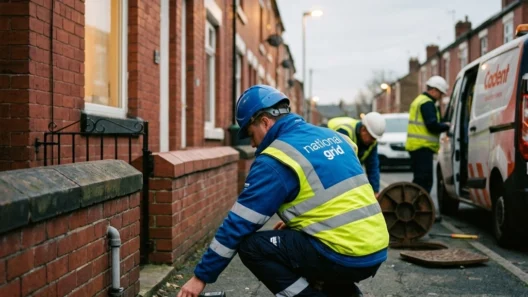
One of the biggest culprits behind this widening gap is infrastructure. We aren't just talking about shiny new buildings; we are talking about the basic bones of the healthcare system. There is currently a maintenance backlog that has accumulated a shortfall of nearly £1 billion. This includes everything from leaky roofs and broken lifts to ancient diagnostic machinery that should have been replaced years ago. When hospitals are forced to spend their emergency funds on fixing a boiler rather than hiring a nurse, the deficit grows, and patient care takes a backseat.
This infrastructure crisis is a key part of the untold stories we aim to highlight at NowPWR. It is easy to blame "management" or "bureaucracy," but the truth is often much more mundane: things are simply wearing out. Without a massive injection of capital to modernize these facilities, the NHS is essentially trying to run a high-tech medical service out of buildings that are, in many cases, no longer fit for purpose. This creates a cycle of inefficiency where money is wasted on temporary fixes rather than long-term solutions.
More Than Just a Math Problem
The deficit is also being driven by the rising cost of staffing. Health workers are the backbone of the system, but years of pay disputes and a reliance on expensive agency staff to fill vacancies have created a major budget pressure. When a trust cannot find a permanent doctor or nurse, they often have to pay double or triple the rate to an agency just to ensure a ward remains safe. This isn't sustainable, yet it has become a daily reality for many trusts across the UK.
Inflation has also played a massive role. The funding settlements agreed upon years ago didn't account for the sudden and sharp rise in the cost of living and goods. Everything from the bandages used in A&E to the food served to patients has become more expensive. In some years, NHS providers have faced billions in unfunded inflation: costs they have to absorb without any extra cash coming in. This is part of a larger trend of regional inequality that we see across the country, much like the hidden regional funding divide that affects other public services.
Furthermore, many trusts have been forced to rely on "non-recurrent" measures to balance their books. This is the financial equivalent of selling your furniture to pay the rent. They might use one-off reserves or make balance sheet adjustments to make the numbers look better at the end of the financial year, but those aren't real savings. They don’t solve the underlying problem that the system is underfunded for the level of demand it faces. As an independent news uk source, we see how these short-term fixes are increasingly failing to mask the deep-seated issues within the healthcare economy.
Turning the Tide on the Healthcare Gap
So, where do we go from here? The doubling of planned deficits in just one year suggests that the current trajectory is headed toward a breaking point. For the NHS to find its way back to financial health, there needs to be a shift away from "sticking plaster" funding and toward a sustainable, long-term strategy. This isn't just about throwing money at the problem; it’s about ensuring that the money is used to build a resilient system that can handle the pressures of the 21st century.
There is a growing call for a radical rethink of how we fund healthcare and how we manage the massive maintenance backlog. If the infrastructure continues to crumble, the cost of emergency repairs will continue to eat away at the budget for frontline care. Investing in technology and modern facilities might seem expensive in the short term, but it is the only way to reduce the long-term deficit by making the system more efficient.
Public awareness is also a major factor. The more people understand the root causes of the deficit: beyond just the political talking points: the more pressure there is for real change. At NowPWR, we are committed to providing that clarity. Whether we are looking at the challenges facing food banks or the complexities of the NHS budget, our goal is to bring the facts to the forefront. The healthcare gap is a national challenge that requires a national conversation, rooted in transparency and a genuine desire to protect one of our most vital institutions.
The current financial state of the NHS is a complex issue driven by a combination of historical underspending, rising operational costs, and an infrastructure in desperate need of renewal. While the £4.9bn deficit is a daunting figure, it serves as a clear indicator that the traditional methods of funding and managing the service are no longer sufficient. Addressing this gap will require not only increased investment but also a fundamental commitment to long-term stability and structural reform. As the healthcare needs of the population continue to evolve, the financial frameworks supporting them must do the same to ensure the service remains viable for future generations.