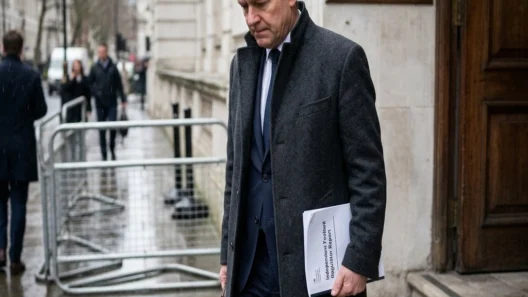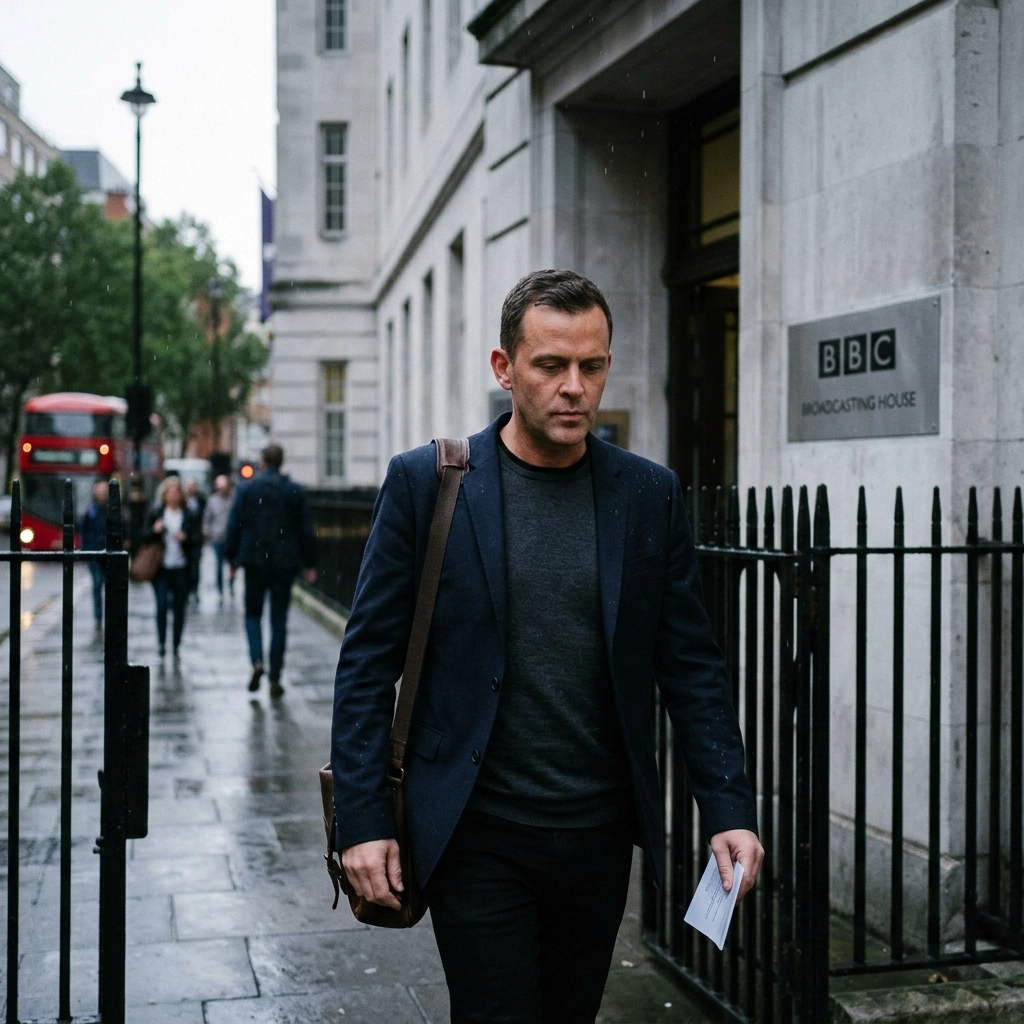
The landscape of British media has been rocked by the sudden and dramatic dismissal of Scott Mills, a man who has been a staple of the airwaves for decades. For many of us, his voice was the soundtrack to our afternoons or the companion on our morning commutes. But behind the friendly banter and the chart-topping hits, a much darker narrative was unfolding. This isn't just a story about a single presenter losing his job; it’s a story about institutional failure, missed opportunities, and the vital importance of transparency in the modern age. At NowPWR, we believe in bringing these untold stories to the surface, especially when they involve the very organisations that are supposed to be beyond reproach.
The details that have emerged recently are deeply unsettling. Mills was sacked following serious allegations regarding his personal conduct, specifically involving a historical relationship with a teenager under the age of 16. These incidents allegedly took place between 1997 and 2000, a period when Mills was rapidly rising through the ranks of the broadcasting world. While the historical nature of these allegations is shocking in itself, the real controversy lies in how the information was handled, or mishandled, by the powers that be. It brings to light a recurring theme in major UK institutions: the tendency to look the other way until the noise becomes too loud to ignore.
In the world of independent news uk, we often see a pattern where major corporations prioritise brand protection over the safety and well-being of the public or their own staff. The dismissal of such a high-profile figure usually happens only when the evidence becomes undeniable, but what happens when the warnings were already there? This case suggests that the red flags were waving long before the final axe fell. It raises the question of how many more of these stories are waiting in the wings, and why it takes so long for the truth to come out.
The Warning Signs That Went Unanswered
One of the most damning aspects of this entire situation is the revelation that the broadcaster received a direct warning as recently as May 2025. A former presenter, someone who understood the internal culture of the organisation, reached out with specific information regarding Mills’ conduct. This wasn't a vague rumour or an anonymous tip; it was a targeted inquiry asking whether any complaints had been made regarding safeguarding, harassment, or inappropriate conduct. The inquiry even asked if there were any ongoing internal investigations.
The response? Silence. Or rather, a lack of action that speaks volumes. It has since been admitted that this inquiry should have triggered a series of questions and a formal investigation. The information provided was enough to warrant a deep dive into the archives and a serious look at Mills’ history. Instead, it seems the inquiry was either dismissed or lost in the bureaucratic machine. This failure to act isn't just an administrative error; it's a fundamental breakdown in safeguarding protocols. When we look at cases like the Beastie House in Glasgow, we see how systemic failures consistently leave the most vulnerable at risk.
The culture of "don't ask, don't tell" has no place in 2026. However, it appears that the internal mechanisms designed to catch this kind of behaviour are still failing. The organisation has apologised and stated they will examine why the warning was not properly investigated, but for many, this feels like too little, too late. If a direct warning from a former colleague isn't enough to spark action, what is? This is why independent news uk is so essential, it provides a platform for these warnings to be heard when the official channels fail.
Historical Allegations and the Legal Fog
The allegations against Mills date back to a time when the media industry was often described as a "wild west." Between 1997 and 2000, the culture of celebrity was burgeoning, and those within it often felt untouchable. The allegations involve a boy under the age of 16, a serious matter that carries significant legal and moral weight. But the story takes an even more complex turn when you look at the police involvement that preceded his sacking.
It has been revealed that Mills was previously investigated by police over alleged sexual offences. This investigation was not common knowledge at the time, and it highlights a major gap in corporate accountability. Did Mills have a duty to disclose this investigation to his employers? Most professional contracts would suggest yes, especially in a role that involves public trust and frequent interaction with young audiences. The fact that he remained on air, a beloved figure, while these clouds were gathering is a testament to how well these secrets can be kept.
Furthermore, the legal proceedings themselves have been shrouded in controversy. A district judge recently revealed that police allegedly misled the court to obtain search warrants for Mills' home. The judge stated that had he known the full facts, he never would have granted those warrants. This adds a layer of complication to the narrative; it suggests that while the allegations are grave, the process of investigating them was also flawed. It creates a "legal fog" where the truth is hard to discern, and where procedural errors can overshadow the actual conduct in question. This is a recurring theme in our untold stories, where the pursuit of justice is often hindered by the very systems meant to uphold it.
Why Independent Media Must Lead the Way
The Scott Mills scandal is a wake-up call for everyone who consumes mainstream media. It demonstrates that even the most trusted figures and the most established institutions can harbour secrets that span decades. When the internal safeguarding measures of a massive broadcaster fail, the responsibility falls on independent outlets to ask the hard questions. NowPWR is committed to this role, ensuring that the focus remains on accountability rather than just the sensationalism of a celebrity downfall.
The reason these stories often stay hidden is due to the sheer power and influence of the organisations involved. They have the resources to manage PR, silence whistleblowers, and wait out the news cycle. However, the digital age has changed the game. Information can no longer be contained as easily as it once was. The inquiry in May 2025 might have been ignored internally, but the fact that it is now public knowledge shows that the wall of silence is cracking. We need to move towards a media environment where safeguarding is a proactive daily practice, not a reactive damage-limitation exercise.
For those of us watching from the outside, it can be easy to feel cynical. We see these headlines and wonder how much more is being hidden. But there is a positive takeaway: the fact that these stories are finally coming to light means that the culture is shifting. People are becoming braver, and the public's tolerance for "looking the other way" is at an all-time low. Whether it’s investigating tax funding divides or media scandals, the goal remains the same: to provide a clear, unbiased look at the truth.
The dismissal of Scott Mills marks the end of an era for Radio 2, but it should also mark the beginning of a new era of transparency. The BBC has a long road ahead to rebuild the trust that has been damaged by these revelations. They must prove that they are capable of learning from their mistakes and that they will never again ignore a warning as clear as the one they received in 2025.
In the meantime, the role of independent news uk becomes even more critical. We are here to keep the pressure on, to follow the threads that others might want to pull, and to ensure that the narrative isn't controlled by those with a vested interest in the status quo. Our editorial standards guide us in this mission, ensuring we report with integrity while never shying away from the difficult topics.
The fallout from this scandal will likely continue for months, if not years. As more information surfaces about what was known and when, the pressure on management to explain their inaction will only grow. It is a stark reminder that in the world of broadcasting, your reputation is your most valuable asset, and once it’s gone, it’s almost impossible to get back. The story of Scott Mills is a cautionary tale for the industry: a reminder that the past always has a way of catching up, and that the warnings we ignore today often become the scandals of tomorrow.
The media landscape is changing, and the public demand for honesty is higher than ever. As we continue to cover these developments, NowPWR remains dedicated to uncovering the facts and presenting them without the varnish of corporate PR. The truth might be uncomfortable, but it is necessary for progress. We will continue to monitor this situation and provide updates as more details are uncovered in this ongoing story of hidden warnings and systemic failure.