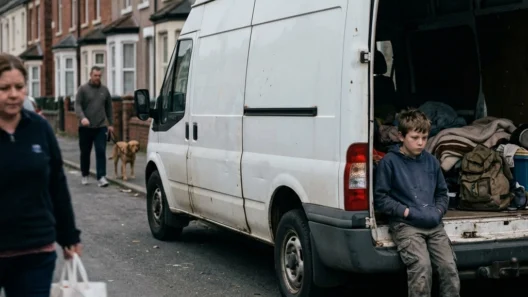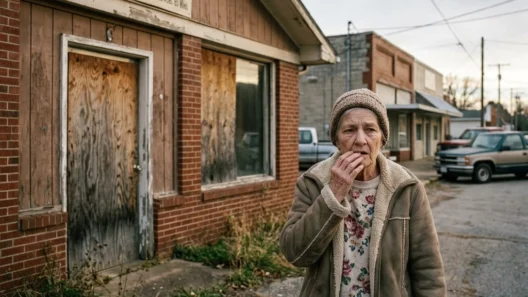
Walking through the streets of East London in 2026, the vibrant murals and bustling markets of Shoreditch or Hackney can often mask a much harsher reality simmering just beneath the surface. For many residents, the last few years haven’t just been a period of economic tightening; they have felt like a relentless, slow-motion hurricane. This metaphor, frequently used by those on the front lines of local charities, describes a storm of rising energy costs, soaring rents, and food inflation that has swept through the borough, leaving many families struggling to keep their heads above water.
While the headlines often focus on national statistics and political debates in Westminster, the actual human cost is being managed by community centres and volunteers. In East London, the demand for emergency food provision has reached levels that were previously unimaginable. What was once seen as a temporary safety net has become a permanent fixture of survival for a significant portion of the population. At NowPWR, we believe in bringing these untold stories to the forefront, moving beyond the numbers to understand what life is really like inside the eye of this economic storm.
The Frontline of the Cost-of-Living Crisis
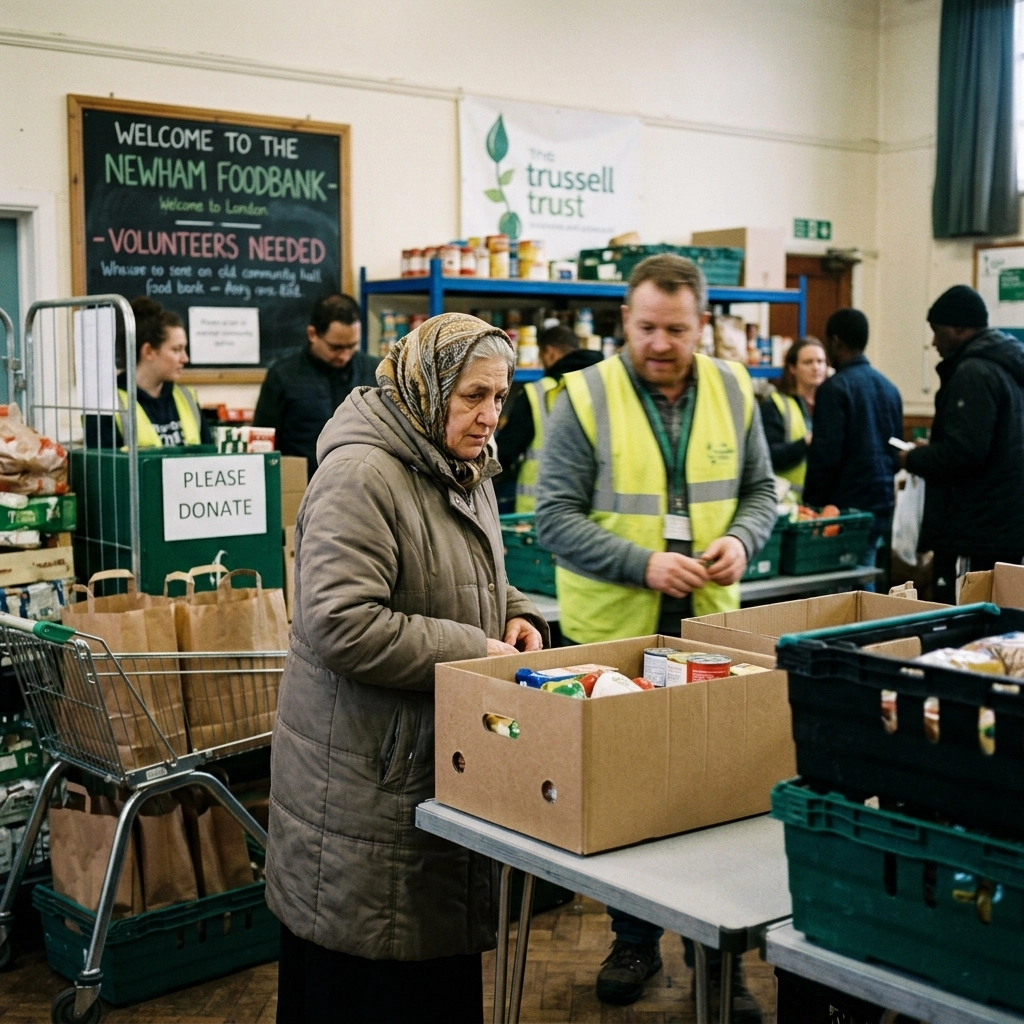
The Bow FoodBank is a name that has become synonymous with resilience in East London. Operating across sites in Bow and Bethnal Green, this independent charity has witnessed a dramatic shift in who is walking through its doors. A few years ago, the typical guest might have been someone experiencing a sudden benefit sanction or an unexpected life crisis. Today, the queue is increasingly made up of people in full-time employment. Teachers, delivery drivers, and hospitality staff are now regular visitors, proving that having a job is no longer a guaranteed shield against poverty.
The atmosphere at Bow FoodBank is one of organised urgency. Volunteers work tirelessly to sort through crates of fresh produce and tinned goods, but the sheer volume of need is staggering. On a busy morning, hundreds of people might queue for hours before the doors even open. This isn't just about a lack of food; it’s about the "hurricane" effect where every penny saved on a grocery shop is immediately swallowed up by a pre-paid energy meter or a rent increase notice. As an outlet for independent news uk, we see how these individual struggles form a wider pattern of systemic failure that often goes ignored by the broader media landscape.
What makes the situation in East London particularly acute is the staggering wealth inequality. You can stand outside a food bank and see luxury high-rise developments in the distance. This contrast adds a layer of psychological weight to the crisis. For many guests at the Bow FoodBank, the hardest part isn't the hunger itself, but the feeling of being invisible in a city that is moving on without them. The volunteers here do more than just hand out bags of pasta; they offer a moment of recognition and dignity in a world that can feel increasingly cold and transactional.
Community Hubs and the Power of Shared Meals
Further east, in the heart of Newham, FoodCycle East Ham offers a slightly different approach to the same underlying problem. While traditional food banks provide ingredients for home cooking, FoodCycle focuses on the power of the shared meal. Every week, volunteers transform surplus food: which would otherwise go to waste: into nutritious, three-course vegetarian meals served in a communal setting. It is a vital resource for those living in temporary accommodation or bedsits where cooking facilities might be limited or non-existent.
The "hurricane" isn't just an economic metaphor; it also refers to the social isolation that poverty breeds. When you are constantly stressed about money, your world shrinks. You stop going out, you stop seeing friends, and you stop engaging with your community. FoodCycle East Ham acts as a break-water against this isolation. Walking into one of their sessions, the first thing you notice isn't the food, but the noise. It is the sound of people talking, laughing, and sharing their experiences. For many who attend, this might be the only time during the week they sit down at a table with others.
The stories shared over these meals are the true untold stories of London. You might meet a grandmother who is skipping meals to ensure her grandkids have new school shoes, or a young man who has moved to the city for work only to find that his entire salary barely covers a room in a shared house. By focusing on community dining, FoodCycle addresses the holistic needs of the individual. They recognise that while calories are essential, so is human connection. In the face of the cost-of-living hurricane, these community hubs provide a rare pocket of calm and stability, reminding residents that they are not facing the storm alone.
The Importance of Independent Narratives
Reporting on these issues requires a specific kind of care and dedication. At NowPWR, we understand that the crisis in East London isn't a one-day news story; it is a long-term reality that requires consistent attention. Mainstream outlets often parachute into these communities when a new set of data is released, only to leave once the cameras have what they need. We believe that independent news uk has a responsibility to stay, to listen, and to document the nuances of these lives over time.
The "hurricane" metaphor is apt because hurricanes have long-lasting effects. Even when the "wind" of inflation begins to slow down, the damage left behind: debt, mental health struggles, and eroded savings: takes years to repair. By highlighting the work of Bow FoodBank and FoodCycle East Ham, we aim to show the incredible strength of the East London community, but also the unfair burden that is being placed upon it. These organisations are doing the work that social safety nets were originally designed to do, often with limited resources and relying entirely on the kindness of strangers.
As we look toward the future, the role of NowPWR is to continue uncovering these narratives. We don't just want to tell you that food banks are busy; we want to explore why the hurricane is hitting certain postcodes harder than others and what is being done to rebuild. The resilience of East Londoners is legendary, but resilience shouldn't be a requirement for survival in one of the wealthiest cities in the world. By focusing on these grassroots efforts, we can provide a clearer picture of the challenges and the potential solutions that emerge when people decide to look out for one another.
The situation in East London serves as a stark reminder of the fragility of our current economic systems. While the "hurricane" continues to blow, the work of local volunteers provides a necessary shelter. It is through these local efforts that the true spirit of the city is revealed: not in the glass towers of the financial district, but in the church halls and community centres where a warm meal and a kind word are still the most valuable currencies available. Documenting this journey is a core part of our mission, ensuring that the voices of those living through the storm are never drowned out by the noise of the world outside.
The challenges facing Bow FoodBank and FoodCycle East Ham are reflective of a wider national issue, yet they are uniquely shaped by the geography and history of East London. This area has always been a landing point for those looking for a better life, but the current climate is making that dream increasingly difficult to sustain. As we continue to cover these developments, our goal remains the same: to provide a platform for the reality of the situation, grounded in the lived experiences of the people who call this part of London home. The hurricane may be powerful, but the community response is proving to be even more enduring.