We have all been there: opening a utility bill with that slight sense of dread, wondering if the price of keeping the radiators humming has climbed yet again. It is a conversation happening in pubs, over garden fences, and in school queues across the country. The reality of global energy markets has hit hard over the last few years, leaving many of us feeling a bit powerless. But behind the headlines and the complex jargon, there is a significant shift happening. There is a strategy designed to wrap a protective layer around UK households, ensuring that the next time there is a global price shock, your bank account does not have to take the hit.
At NowPWR, we believe in digging into the untold stories that actually affect your daily life. While the mainstream media often focuses on the high-level politics, we want to look at what this means for your front door. Finding independent news uk that prioritises the consumer can be tough, but understanding energy security is the first step in taking back control of your own home’s economy. This plan is not just about big power stations; it is about insulation, local empowerment, and a bit of sunshine.
Breaking Down the Big Strategy for Our Streets
The core of the current movement to protect UK homes lies in the Warm Homes Plan. This isn't just another government leaflet; it represents one of the largest public investments in British history for home upgrades. We are talking about roughly £15 billion aimed at making sure our houses are not just places to live, but efficient engines that save us money. The goal is simple: reduce our reliance on expensive, volatile fossil fuels and replace that dependency with something more stable and local.
A big part of this strategy involves the Powering Up Britain initiative. This is essentially the blueprint for energy independence. By diversifying where we get our energy: moving away from the whims of international gas prices: the UK is trying to build a domestic buffer. For the average family, this means that even if things get rocky on the global stage, the price you pay for a cup of tea or a hot shower should stay far more predictable. It is about moving from a "just in time" energy mindset to one of "long-term security."
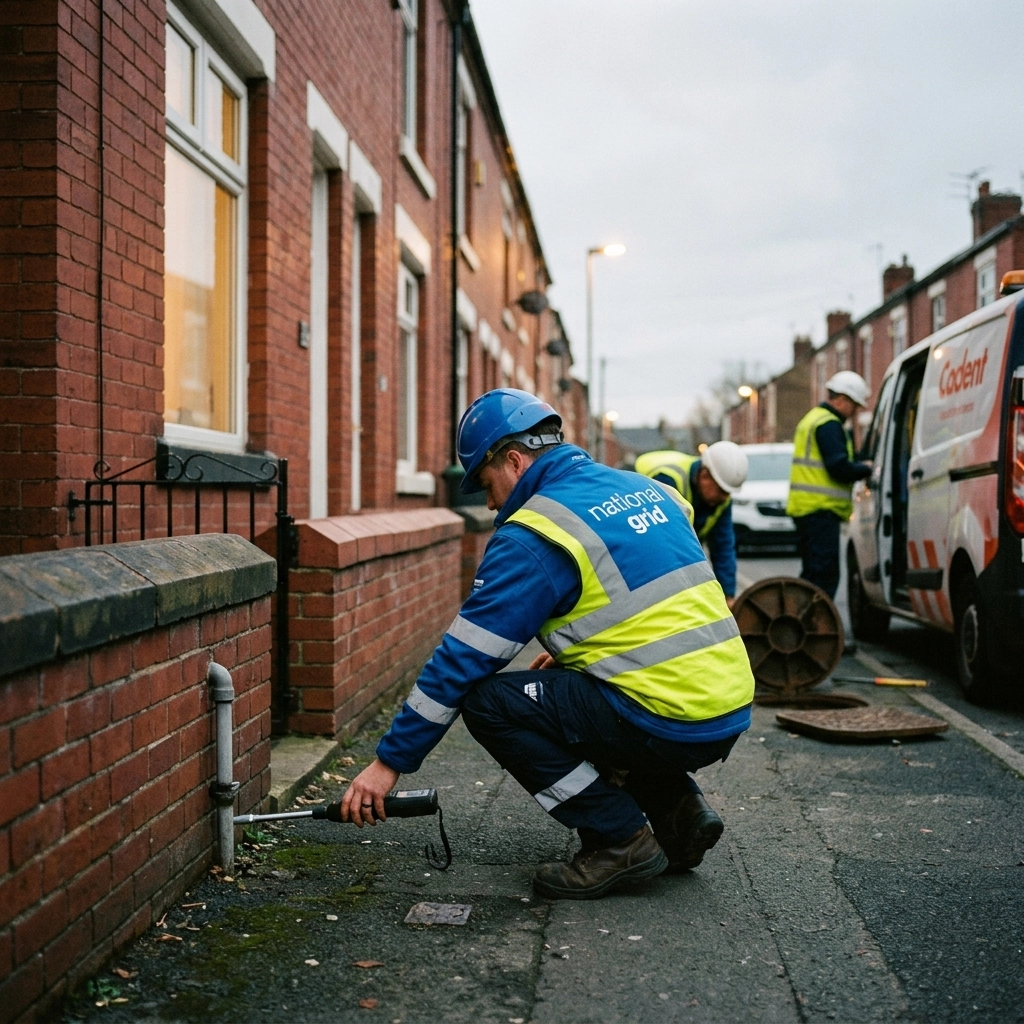
One of the most interesting parts of this rollout is how it is being handled on a local level. Rather than a one-size-fits-all approach from London, around £130 million is being handed over to mayors in places like Liverpool, Greater Manchester, West Yorkshire, and the West Midlands. These local leaders are tasked with upgrading low-income homes street by street. This "boots on the ground" approach is designed to ensure that the people who need help the most are not left behind in the transition. It’s a massive logistical challenge, but if successful, it could fundamentally change the energy profile of our biggest cities. You can read more about how regional funding is shifting in our look at the hidden regional funding divide.
Tech Upgrades and the Power of Sunlight
While big policy is great, the real magic happens when technology enters the home. We are seeing a push for things like heat pumps, loft insulation, and cavity wall insulation that might sound boring but are actually the secret weapons of energy security. The Great British Insulation Scheme, for instance, is injecting £1 billion into making homes more efficient by March 2026. This isn't just about saving the planet; it’s about saving your pennies. A well-insulated home requires much less energy to stay warm, which naturally lowers the demand on the national grid and keeps your bills down.
Perhaps the most exciting development is the democratisation of solar energy. For a long time, solar panels were seen as something only for people with huge roofs and deep pockets. But things are changing. We are starting to see "plug-in" solar panels appearing in supermarkets. This is a game-changer for people living in flats with balconies or those with small outdoor spaces. It allows families to generate a bit of their own power without needing a massive installation crew. When we talk about climate initiatives, this is the kind of practical, everyday solution that actually makes a difference.
The Boiler Upgrade Scheme has also been extended to 2028, providing financial incentives for people to swap out old gas boilers for modern heat pumps. This is part of the Future Homes Standard, which essentially ensures that new builds will come with solar and high-efficiency heating as standard. By baking energy security into the bricks and mortar of our new houses, we are ensuring that the next generation does not have to deal with the same price shocks we have faced. It is an untold story of progress that often gets lost in the noise of daily politics.
Building a Buffer Against Global Shocks
To truly understand why this "secret plan" matters, we have to look at the world map. The invasion of Ukraine was a massive wake-up call for the UK. It exposed just how vulnerable we were to international energy price volatility. When a major supplier is taken off the board, or when geopolitical tensions rise, the cost of gas rockets. Because the UK has historically relied heavily on gas for heating and electricity, we felt that pain more than most. Building energy security is essentially about building a fortress around our economy.
By shifting toward renewable energy sources and improving home efficiency, the UK is effectively "decoupling" itself from those global shocks. The logic is that you cannot put a price hike on the wind or the sun. Once the infrastructure is in place: the turbines, the solar farms, and the insulated lofts: the ongoing cost of energy becomes much more stable. This is a vital part of our inside look at how national policy reflects global shifts. It is about sovereignty as much as it is about sustainability.
This transition does not happen overnight, and there are certainly hurdles to overcome. Moving an entire nation away from a gas-heavy infrastructure is a mammoth task that requires consistent investment and public buy-in. However, the long-term benefits of energy independence are undeniable. It means a more resilient economy, more jobs in the green tech sector, and, most importantly, peace of mind for households across the country. We are moving toward a future where the "secret" to lower bills is simply having a home that works smarter, not harder.
The road to energy security is paved with everything from multi-billion pound investments to simple supermarket solar panels. It is a multi-layered approach that seeks to address the vulnerabilities exposed by recent global events. By focusing on efficiency, local empowerment, and domestic energy production, the aim is to create a UK that is no longer at the mercy of international price swings. As these plans continue to roll out, the transformation of our homes will play a central role in securing the financial future of households across the nation. Through independent news uk perspectives, we can see that while the challenges are significant, the roadmap for a more secure and affordable energy future is finally being drawn.