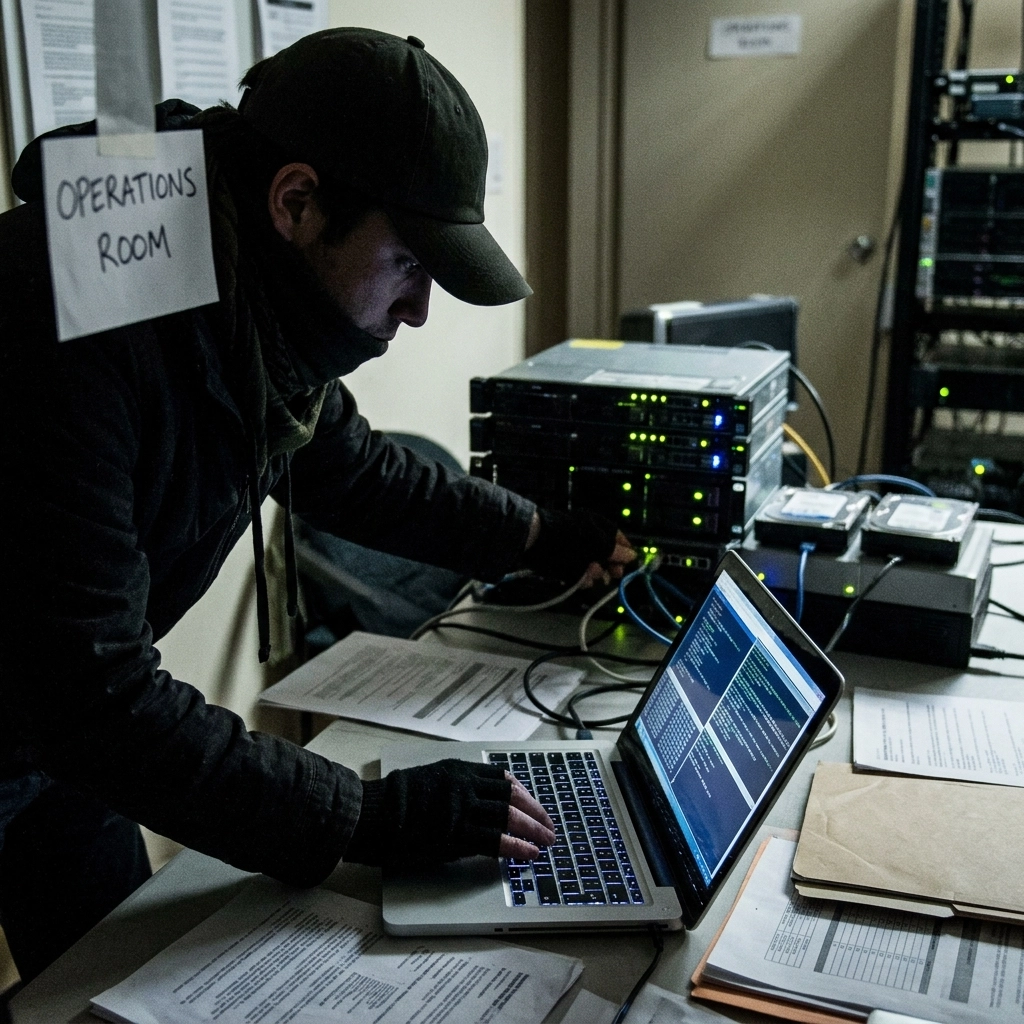
In an era where we spend a significant portion of our lives staring at screens, the battle for our attention has moved from billboards and television adverts to the very fabric of our digital social lives. We often like to think of our social media feeds as organic spaces: places where we connect with friends, share a few laughs, and stay updated on the world. However, beneath the surface of trending hashtags and viral videos, a much more coordinated and shadowy operation is often at work. Recent revelations have shed light on a secret campaign designed to influence public opinion from the inside, raising serious questions about the transparency of online information.
For those seeking independent news uk, stories like these are a stark reminder of why diverse voices in the media are so essential. When the lines between official public information and covert influence campaigns begin to blur, the truth can become a casualty of strategy. This isn't just about a few rogue accounts or a handful of misleading posts; it’s about a systematic effort to shape the narrative on everything from national security to domestic policy, often without the public ever knowing they are being targeted.
Understanding how these campaigns function requires a look behind the curtain of digital communication. It’s not just about what is being said, but who is saying it and, more importantly, why. The goal is often to create a "veneer of consensus," making certain ideas seem more popular or widely accepted than they actually are. By flooding the digital space with specific viewpoints, these campaigns can effectively drown out dissent and nudge public discourse in a preferred direction.
How the influence machine works
The mechanics of these secret campaigns are often surprisingly sophisticated. It’s no longer just about hiring a few people to write comments on news articles. Today, the drive involves advanced data analytics, psychological profiling, and the use of automated systems to amplify specific messages. The aim is to slip into our daily routines unnoticed, appearing as just another post from a concerned citizen or a helpful infographic shared by a peer. That subtle approach is what makes these drives so effective; people are far more likely to trust information that feels peer-to-peer rather than top-down.
In many cases, these operations use "persona management" software, allowing a single operator to control dozens of realistic-looking social media profiles. These profiles are meticulously crafted with backstories, interests, and history to make them appear authentic. When a specific topic needs a push, these accounts jump into action, liking, sharing, and commenting in a way that mimics genuine grassroots support. This creates a digital echo chamber where the intended message is reinforced from multiple angles, making it difficult for the average user to separate fact from fiction.
These tactics aren't just limited to foreign actors; reports have increasingly pointed towards domestic entities, including government-linked units, using similar strategies to manage the national mood. While the stated goal might be to combat misinformation, the methods often involve the same kind of obfuscation they claim to be fighting. For anyone following untold stories, this intersection of power and digital manipulation is where the real narrative sits. It’s a world where strategic communication becomes a polished term for shaping the digital town square.
Why this hits public trust
One of the most concerning aspects of these secret influence drives is how they target vulnerable or divisive topics to sow further confusion. Whether it's the nuances of regional funding or complex social issues, these campaigns thrive on emotion. By tapping into existing frustrations, operators can steer the conversation away from constructive debate and towards polarised conflict. That makes it harder for communities to find common ground and easier for those in power to keep control of the narrative.
The impact of this constant digital steering is a slow erosion of public trust. When people realise they have been the subject of a secret influence campaign, they don't just stop trusting one source; they often start doubting information more broadly. That creates a cynical environment where even genuine reporting is met with suspicion. In that kind of landscape, the role of independent news uk becomes even more important. Having reporting that is not tied to the strategic goals of a government or a major corporation provides a necessary counterweight to manufactured consent.
Furthermore, these campaigns often involve a level of cybersquatting or the creation of mimic sites that look like legitimate news outlets. These sites are used to host articles that appear professional and balanced but are actually designed to plant specific seeds of doubt or misinformation. By borrowing the visual language of journalism, they encourage readers to lower their guard. That is why understanding how a source presents itself, and what sits behind it, matters more than ever.
How to read through the noise
So, how does the average person navigate this fog? The first step is acknowledging that the digital world is a contested space. Every time we engage with a piece of content, it’s worth asking: who created this, why am I seeing it now, and what response is it trying to trigger? Developing a healthy sense of digital literacy is one of the best defences against these secret campaigns. That does not mean becoming conspiratorial; it means becoming a more careful reader of information.
Fact-checking is still vital, but it has limits when a campaign is designed to influence mood and sentiment rather than just hard facts. Often, these drives are about shifting the goalposts of what feels normal or acceptable to discuss. They rely on subtle nudges more than blatant lies. To stay informed, it helps to look across a range of sources and seek out untold stories that do not always dominate the headlines. Grounding ourselves in lived experience can provide a much-needed reality check against polished digital narratives.
Finally, there is a clear need for greater transparency in how digital spaces are moderated and how state-linked bodies interact with social media platforms. The secret element of these campaigns is often the most damaging. If influence is being exerted, it should happen in the open, where it can be challenged and debated properly. Until that becomes standard, the demand for independent news uk will continue to grow. Staying informed is no longer passive; it is an active choice to question what appears on the screen and why.
The revelation of secret online influence drives serves as a powerful reminder of the fragility of our digital information ecosystem. As strategies for online manipulation become more advanced, the importance of maintaining an independent and critical perspective cannot be overstated. By understanding the tactics used to shape our perceptions and seeking out diverse, transparent sources of information, we can better protect ourselves from being led by a narrative that was never meant for our benefit, but for our management. The conversation around digital integrity is only just beginning, and it is one that will define the future of our democracy.