








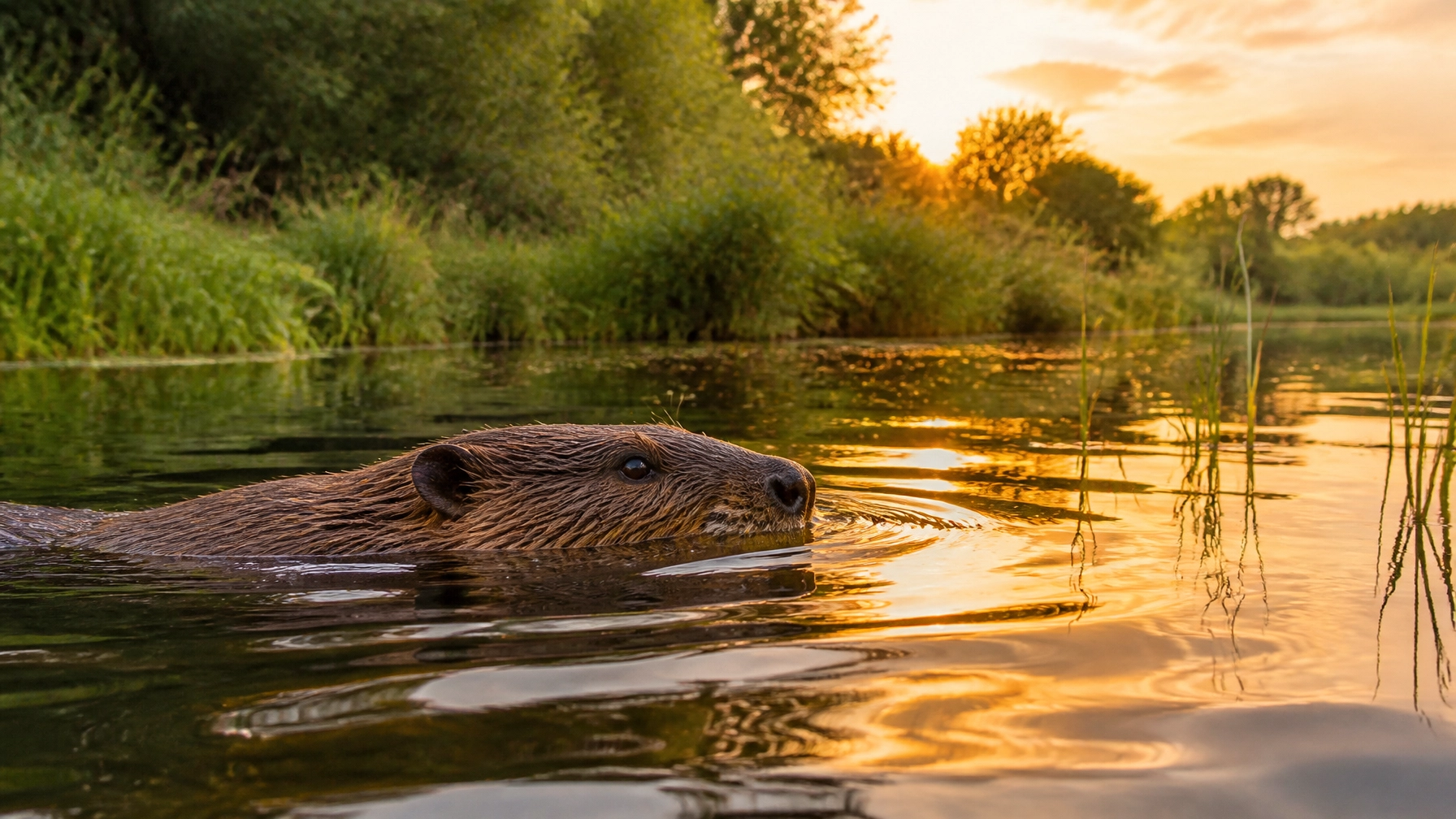
Rashford the beaver made history in May 2021 as the first kit born on Exmoor in over 400 years. This milestone occurred at the National Trust’s Holnicote Estate in Somerset, marking a significant victory for British wildlife conservation. The birth was not just a local curiosity but a sign that a species once hunted to extinction in the 16th century could once again thrive in the English countryside. Named after the England footballer Marcus Rashford following a public vote, the young beaver has since become a symbol of the UK's burgeoning rewilding movement.
The parents of the kit, Yogi and Grylls, were released into a 2.7-hectare enclosure in January 2020. This was part of a controlled trial to see how beavers could help manage the landscape and improve biodiversity. Before their arrival, the site was largely dry woodland with limited ecological variety. Within just a few years, the family expanded to include younger siblings Russo and Toone, twins born in 2022. This growing colony has completely overhauled the local environment, turning a static piece of land into a dynamic and productive wetland ecosystem.
Beavers are often described as ecosystem engineers because of their unique ability to physically alter their surroundings. By felling trees and building intricate dam systems, they create deep pools of water and complex networks of channels. These structures are not just for their own protection; they serve as the foundation for a much larger community of plants and animals. The work Rashford and his family have carried out at Holnicote provides a clear blueprint for how nature-based solutions can address modern environmental challenges.
A natural engineer at work
The biological impact of Rashford’s family on the Holnicote Estate has been nothing short of transformative. The beavers use sticks, mud, and stones to construct dams that act as natural leaky barriers. Unlike man-made concrete walls, these dams allow some water to pass through while holding back a significant volume in the landscape. This process has turned what was once a simple stream into a mosaic of ponds and wetlands. These new habitats have become a magnet for a wide variety of British wildlife that had previously struggled to find suitable homes in the area.
Local rangers and ecologists have documented a massive surge in biodiversity since the beavers took up residence. The standing water and deadwood created by beaver activity have attracted amphibians like frogs and toads, which in turn provide food for larger predators. Otters have been spotted using the beaver pools, while kingfishers and dippers are frequently seen hunting along the new waterways. The wetlands also support grass snakes, various species of bats, and a high density of insects, including dragonflies and damselflies. Even birds of prey, such as sparrowhawks, have been observed frequenting the site to take advantage of the increased prey density.
The presence of beavers also changes the vegetation. By coppicing trees like willow and hazel, beavers encourage new, bushy growth, which provides nesting sites for birds and more varied food sources for other herbivores. This constant, low-level disturbance keeps the ecosystem in a state of flux, preventing any single species from dominating and ensuring a high level of species richness. This natural management is far more efficient and sustainable than human intervention, as the beavers work around the clock without the need for heavy machinery or constant oversight.
Transformation of the Holnicote Estate
One of the most impressive aspects of the Holnicote project is the speed at which the landscape changed. In less than two years, the beavers converted a relatively dry, unmanaged woodland into a thriving wetland complex. This transformation was achieved through the construction of multiple dam complexes that have effectively slowed the flow of water through the catchment. During periods of heavy rainfall, these dams capture the runoff, preventing it from rushing downstream all at once. This has a direct impact on the local water cycle, ensuring that the land remains hydrated even during drier spells.
The National Trust’s Riverlands project, which oversees the Holnicote site, has highlighted how these changes benefit the wider environment. By holding water back in the upper reaches of the catchment, beavers help to filter out sediment and pollutants, improving the quality of the water as it moves further downstream. The pools created by the beavers also act as carbon sinks, with the wet soil and accumulated organic matter storing carbon that would otherwise be released into the atmosphere. This makes the beaver wetlands an important tool in the fight against climate change.
The success at Holnicote has also had a profound social impact. Rashford and his family have captured the public imagination, helping to educate people about the importance of rewilding and nature restoration. The public vote to name the kits brought a sense of community ownership to the project, making conservation feel accessible and relevant. By demonstrating that beavers can coexist with human activity in a managed environment, the Holnicote trial has paved the way for similar projects across the UK. It shows that giving nature a little bit of space can yield massive rewards for both wildlife and people.
The future of UK flood management
As the UK faces increasingly frequent and severe weather events, the role of beavers in flood and drought management is becoming more critical. Traditional flood defences are often expensive and can sometimes push the problem further downstream. Beavers offer a natural, cost-effective alternative. By creating dozens of small dams across a catchment area, they distribute the weight and force of floodwaters, significantly reducing the peak flow. This means that during a storm, the water is released gradually, which can prevent local rivers from bursting their banks and flooding nearby homes and businesses.
The benefits extend to periods of drought as well. Because beaver wetlands store large volumes of water, they help to maintain base flows in rivers when rainfall is scarce. This keeps the surrounding land moist and provides a vital refuge for wildlife during heatwaves. Farmers in some areas have even begun to see the value of beavers for irrigation and maintaining soil health. The ability of beaver-engineered landscapes to regulate water levels naturally makes the entire catchment more resilient to the extremes of a changing climate.
Looking ahead, the success of Rashford the beaver and the Holnicote Estate project provides strong evidence for the wider reintroduction of beavers across Britain. While there are still challenges to overcome, such as managing potential conflicts with landowners in certain areas, the overall benefits to the environment and society are clear. Governments and environmental organisations are increasingly looking at beavers as a key component of their strategy for restoring UK rivers and meeting biodiversity targets. The kit born on Exmoor four centuries after his ancestors vanished may just be the start of a much larger resurgence for this remarkable species.