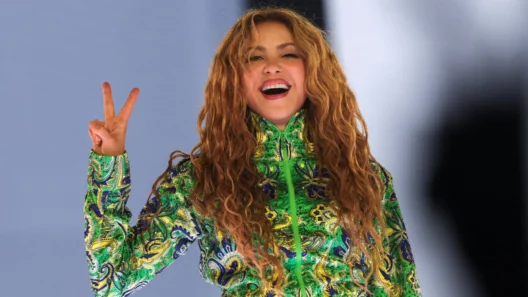
British pop star Dua Lipa has launched a significant legal challenge against tech giant Samsung, seeking at least $15 million, which equates to roughly £11 million, in damages. The lawsuit, filed in a California federal court, centres on allegations that the electronics firm used her image without the necessary permissions or licensing agreements to market its range of televisions. This case highlights the increasingly complex relationship between global celebrities and multi-national corporations regarding intellectual property and the right of publicity.
The 30-year-old singer-songwriter claims that Samsung featured a copyrighted image of her on the physical packaging of its television sets. According to the court documents, the specific image in question is titled Dua Lipa – Backstage at Austin City Limits, 2024. The lawsuit asserts that Lipa holds the full rights, title, and interest in this specific photograph. By placing this image on cardboard boxes found in retail environments globally, the tech company is accused of benefiting from an implied endorsement that was never formally agreed upon or compensated.
Legal representatives for the artist argue that the use of her likeness on product packaging creates a false impression for the consumer. When a potential buyer sees a high-profile figure on the box of a premium electronic item, there is an inherent assumption that the individual has a formal partnership with the brand. The lawsuit suggests that Samsung leveraged Lipa’s global star power to drive sales and enhance the appeal of its products without entering into a commercial contract.
The specific details of the legal claim
The core of the legal filing focuses on the unauthorised use of the Austin City Limits photograph. The artist’s legal team has provided evidence suggesting that the image was used prominently on the front of television boxes intended for retail sale. This placement is particularly sensitive because the packaging is often the first point of physical contact a consumer has with a product in a shop. The lawsuit claims that this move by the electronics manufacturer was a calculated attempt to use Lipa’s visual identity to move units and compete more effectively in a crowded market.
The claim further alleges that Dua Lipa became aware of this situation as early as June last year. Her legal team states that they contacted the company at that time, demanding that they cease using her image on their marketing materials and packaging. However, the filing suggests that the tech company repeatedly refused to comply with these requests, continuing to distribute products featuring her likeness. This perceived lack of cooperation is a central theme in the lawsuit, moving the case from a potential administrative error to an allegation of wilful infringement.
To support their case, Lipa’s lawyers have included various screenshots from social media platforms. These exhibits show fans and potential customers reacting to the packaging in real-world settings. One specific example highlighted in the court documents shows a customer stating they would purchase the television set specifically because Lipa was featured on it. This evidence is intended to prove that the unauthorised image use had a direct, measurable impact on consumer behaviour and provided a commercial advantage to the manufacturer.
The impact on brand value and consumer perception
Beyond the immediate financial loss of a potential endorsement deal, the lawsuit addresses the concept of brand dilution. For a global artist like Dua Lipa, her brand identity is a carefully managed asset. The legal filing argues that the unauthorised use of her image by a third party “caused and continues to cause dilution” of her brand identity and commercial goodwill. The concern is that by appearing to endorse a product she did not choose to partner with, her ability to secure future, legitimate endorsement deals with other brands could be compromised.
The right of publicity is a key legal pillar in this dispute. In California, where the suit was filed, these rights are robust, protecting individuals from having their names or likenesses used for commercial purposes without consent. The artist’s team argues that every time a TV box with her face on it is sold, the manufacturer is essentially stealing a portion of her market value. They contend that if a major tech firm wants to use a world-class celebrity to sell high-end hardware, they must be prepared to pay the market rate for that association.
The commercial goodwill mentioned in the lawsuit refers to the positive reputation and public trust an artist builds over their career. When this goodwill is attached to a product without the artist’s oversight, it removes their control over their own public narrative. The legal team suggests that the public was falsely led to believe that Lipa approves of and endorses the specific hardware products in question. This creates a situation where the artist is held responsible in the public eye for the quality and performance of a product they may have never even used.
Broader implications for the electronics industry
This legal battle serves as a warning for other major players in the consumer electronics and retail sectors. The tech industry frequently uses high-resolution imagery to showcase the capabilities of modern screens, often opting for vibrant concert photography or celebrity-driven content. However, the transition of these images from promotional digital displays to permanent physical packaging requires a much higher level of legal scrutiny. If the courts find in favour of Lipa, it could trigger a wider review of how tech companies source and license the content they use for their retail presence.
The case also highlights the potential risks of using “file images” or backstage photography for commercial gain. While a company might have a license to display an image for editorial or limited promotional purposes, the leap to using that same image as a primary marketing tool on product boxes is a significant legal jump. This distinction between editorial use and commercial endorsement is often where these high-stakes legal battles are won or lost. For Lipa, the case is about ensuring that her image remains her property and that no corporation, regardless of its size, can bypass the standard industry protocols for celebrity partnerships.
As the litigation proceeds in the California federal court, the outcome will be closely watched by intellectual property lawyers and marketing executives worldwide. Samsung Electronics has so far declined to comment specifically on the details of the case, citing the fact that it is a pending legal matter. Meanwhile, the artist remains firm in her pursuit of the £11 million in damages, a figure that reflects both the estimated value of such an endorsement and the perceived damage done to her professional brand. The case remains open, with both parties preparing for further legal arguments in the coming months.
The lawsuit underscores the evolving nature of celebrity branding in a digital and highly visual retail landscape. For now, the focus remains on the specific TV boxes that sparked the controversy and whether a global tech giant overstepped the boundaries of fair use and licensing. The final judgement will likely set a modern precedent for how celebrity likenesses are treated in the context of mass-produced consumer goods.