The average person in the United Kingdom consumes approximately two to three cups of tea every single day, contributing to a national total of over 100 million cups daily. This cultural staple, often seen as a constant in British life, is facing an unprecedented challenge from shifting global weather patterns. Tea production is uniquely sensitive to environmental changes, requiring a specific balance of temperature, rainfall, and soil conditions to produce the leaves that eventually end up in a supermarket box. As global temperatures rise and rainfall becomes increasingly erratic, the regions responsible for the vast majority of the world’s tea supply are beginning to struggle.
The majority of tea consumed in Britain comes from Kenya, India, and Sri Lanka. These nations are on the front lines of the climate crisis, experiencing more frequent droughts, floods, and unpredictable seasonal shifts. For a crop that relies on steady, predictable cycles, even minor changes can lead to significant drops in yield. In Kenya, which is the world’s largest exporter of black tea, research suggests that the area of land with optimal growing conditions could shrink by as much as 25% to 40% by 2050. This isn’t just a problem for the future; farmers are already reporting shorter harvest windows and longer periods where the ground is too dry to support new growth.
The shifting landscape of tea production
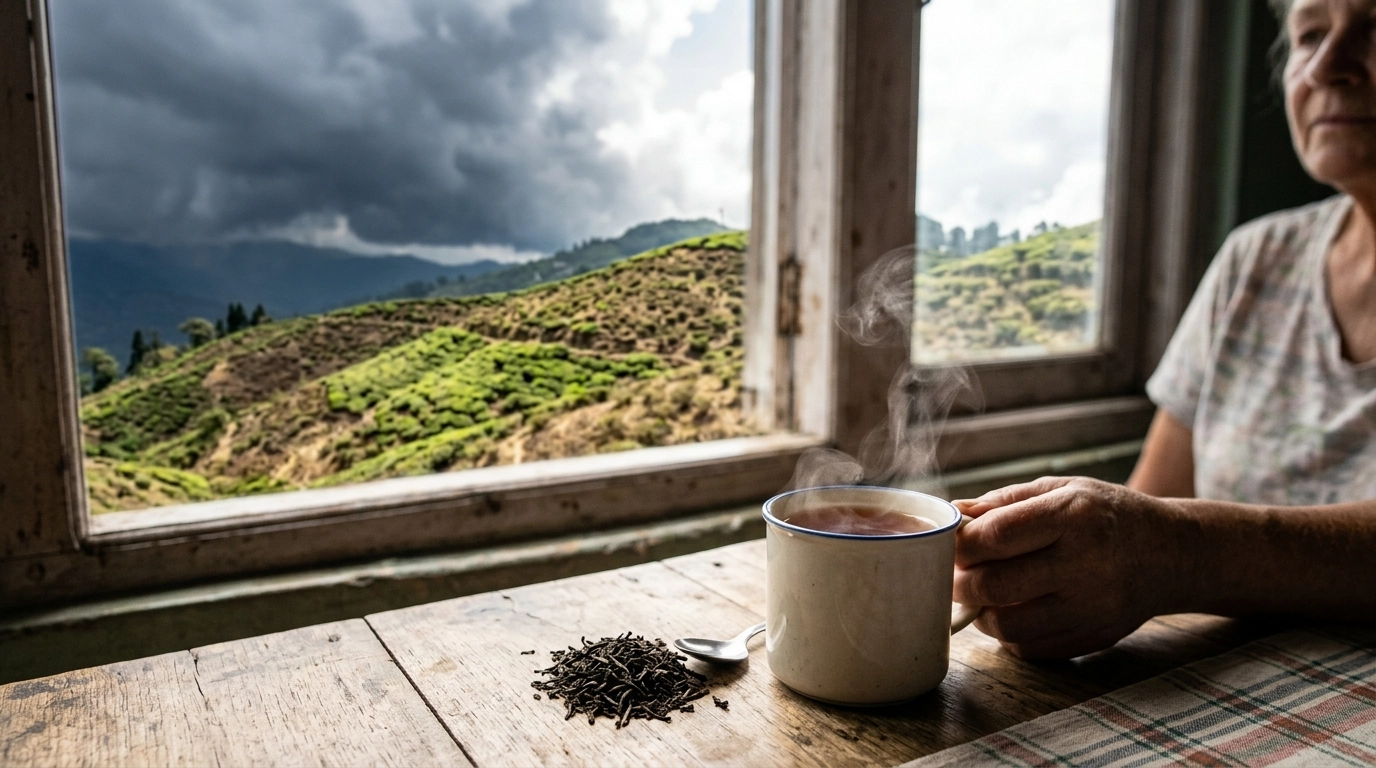
Tea plants thrive in high-altitude, tropical regions where the air is cool and moist. However, as the planet warms, these ‘goldilocks’ zones are moving further up the mountains. In many cases, there is simply no more land to move to, as the summits are either already farmed or ecologically protected. In India’s Assam region, one of the most famous tea-growing areas in the world, the combination of rising temperatures and declining rainfall is already reducing the number of leaves harvested per acre. When the rain does come, it often arrives in the form of intense, heavy downpours that cause soil erosion and wash away essential nutrients rather than gently soaking the roots.
The impact of these changes is felt most acutely by smallholder farmers, who produce around 60% of the world’s tea. Unlike large-scale plantations, these farmers often lack the capital to invest in expensive irrigation systems or more resilient plant varieties. A single bad season can wipe out a family’s income, leading many to abandon tea farming altogether in favour of more hardy, though often less valuable, crops. This displacement creates a ripple effect throughout the global supply chain, leading to the price volatility and supply shortages that have begun to appear on British high streets.
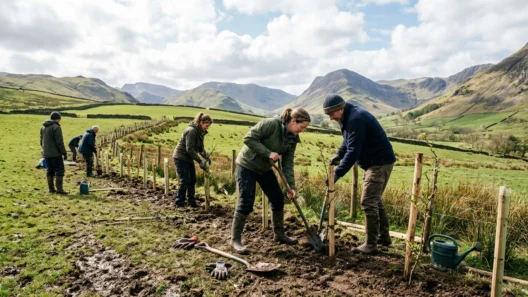
The challenges are not confined to the traditional growing regions of the East. Even in the United Kingdom, where domestic tea production is a niche but growing industry, the effects of a changing climate are being observed. Farms in places like Cornwall and South Wales have reported that late-season frosts and irregular summer heatwaves are making it harder to predict the quality of the harvest. While the UK is far from becoming a major tea exporter, these domestic struggles highlight how no region is immune to the volatility of modern weather patterns.
How rising temperatures alter the flavour profile
It is not just the quantity of tea that is at risk, but the very essence of what makes a ‘good’ cup of tea. The flavour of tea is derived from a complex cocktail of chemicals within the leaf, including polyphenols, amino acids, and catechins. These compounds are highly sensitive to the environment in which the plant grows. When a tea plant is stressed by excessive heat or a lack of water, it produces more secondary metabolites as a defence mechanism. In many cases, this translates to a finished product that is significantly more bitter and astringent than consumers are used to.
Research indicates that higher temperatures can lead to a reduction in the sweet and floral notes of the tea leaf, leaving behind a harsh, metallic aftertaste. Furthermore, the timing of the harvest is crucial for flavour. Many premium teas are picked during specific ‘flushes’ or growth periods. When weather patterns become erratic, these flushes occur at different times or may not occur at all, forcing farmers to pick leaves that are either under-developed or past their prime. This inconsistency makes it incredibly difficult for tea blenders to maintain the steady flavour profile that big-brand tea bags are known for.
Excessive rainfall also poses a threat to quality. When tea plants are hit by heavy, sustained rain, the leaves can grow too quickly, effectively diluting the concentration of flavour-providing chemicals. This results in a ‘weaker’ tea that lacks the depth and body required for a traditional British brew. For those who take their tea with milk, this lack of strength is particularly noticeable, as the subtle flavours are easily overwhelmed. The delicate balance of approximately 50 unique chemicals that define the taste of a specific tea variety is being fundamentally altered by the environment, potentially changing the flavour of the nation’s favourite drink forever.
Securing the future of the British cuppa
The industry is not standing still in the face of these threats. To protect the future of tea, scientists and growers are working together to develop more resilient varieties of the Camellia sinensis plant. These new cultivars are bred to withstand higher temperatures and require less water, though there is a constant trade-off between hardiness and the delicate flavour profile that consumers demand. In some regions, farmers are turning to agroforestry, planting shade trees among the tea bushes to lower the temperature of the soil and provide protection from the sun’s most intense rays.
Diversification is also becoming a key strategy for the survival of the industry. By growing different types of crops alongside tea, farmers can protect their livelihoods if a tea harvest fails. However, the most significant change may need to come from the consumer end of the supply chain. Ensuring that farmers are paid a fair price for their produce is essential for providing them with the resources needed to adapt to climate changes. Currently, many tea farmers operate on such thin margins that any investment in sustainable infrastructure is impossible without external support.
The British public’s relationship with tea is deep-rooted, but the days of taking a cheap, consistent cuppa for granted may be coming to an end. As the global supply chain adapts to the new reality of the climate, we may see a shift in how tea is marketed and sold, with a greater emphasis on seasonal variations and specific origins, much like the wine or coffee industries. While the tea industry is resilient, the combination of environmental stress and economic pressure means that the journey from a hillside in Kenya to a mug in Manchester is becoming more precarious than ever before.
Ensuring the longevity of tea production requires a global effort to stabilise the climate and support the communities that have cultivated these plants for generations. Without significant intervention, the simple pleasure of a daily brew could become an increasingly expensive luxury. The statistics suggest that by mid-century, many of the areas we currently rely on for our tea will no longer be suitable for its cultivation, leaving the future of the British cup of tea hanging in the balance. This shift is already reflected in the rising costs of raw materials and the increasing difficulty in sourcing high-quality, consistent tea leaves on the international market.