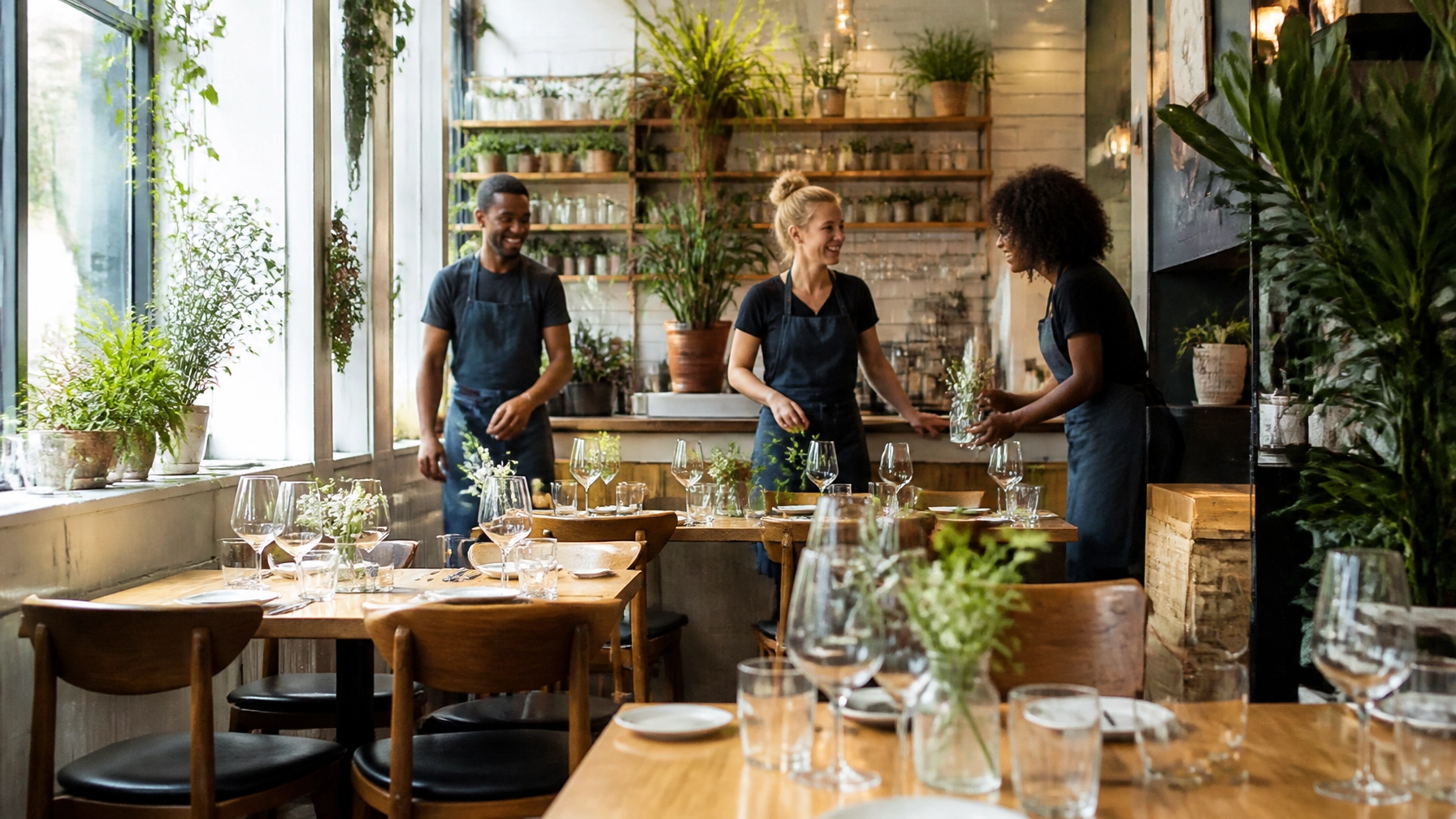
In the heart of Primrose Hill, a quiet revolution is taking place behind the swinging doors of a kitchen. While the London dining scene is often defined by its exclusivity and high-pressure environments, a new establishment is proving that fine food and social responsibility can go hand in hand. 130 Primrose, a charity-led restaurant that has recently undergone a significant transformation, is doing more than just serving up Mediterranean and British-inspired dishes; it is providing a vital lifeline to those who have found themselves on the fringes of society. At the helm is the renowned chef and television personality Monica Galetti, whose involvement has brought both culinary expertise and a renewed sense of purpose to this unique social enterprise.
The project is a bold response to the growing crisis of homelessness in the capital. Rather than offering a temporary fix, 130 Primrose operates on a model of empowerment and long-term stability. It recruits, trains, and employs people who have experienced the harsh reality of living without a home: ranging from rough sleepers and care leavers to refugees and those recovering from addiction. By offering six-month paid contracts and accredited training, the restaurant serves as a bridge, helping individuals transition from the instability of the streets into the structured, fast-paced world of professional hospitality.
Walking into the restaurant, the atmosphere is indistinguishable from any other high-end neighbourhood bistro. The decor is bright, the service is polished, and the aromas wafting from the kitchen are enticing. However, for the staff working the floor and the pass, the stakes are significantly higher. This is not just a job; it is a second chance at life. The transition to 130 Primrose marks a new chapter for a project that began as a smaller-scale diner, now expanded with the support of major charitable organisations and the culinary vision of one of the country’s most respected chefs.
Training for a New Future
The core of the restaurant’s mission lies in its rigorous and supportive training programme. Many of the staff members arrive with little to no experience in a professional kitchen or service environment. Some have never held a formal job before, while others have had their careers derailed by personal tragedy or systemic failures. To address this, the restaurant provides more than just a payslip. Every employee undergoes comprehensive training that covers everything from basic food hygiene and allergen awareness to the complex skills required for high-level culinary production and front-of-house service.
The training is accredited, meaning that once a staff member completes their six-month tenure, they leave with tangible qualifications that are recognised across the industry. This is a crucial step in breaking the cycle of unemployment that often follows homelessness. By the time a trainee finishes their contract, they are not only equipped with technical skills but also with the confidence and soft skills necessary to thrive in any professional setting. Punctuality, teamwork, and communication are all fostered in an environment that understands the specific challenges these individuals face, yet maintains the high standards expected of a top-tier London restaurant.
Referrals come from a network of dedicated partners who specialise in supporting the homeless community. These organisations identify individuals who are ready to take the next step towards independence. The collaborative approach ensures that the staff members have access to additional support outside of the workplace, such as housing advice or mental health services, which are often essential for maintaining stable employment. This holistic view of the employee is what sets 130 Primrose apart from traditional commercial ventures, creating a workplace that is as much about personal growth as it is about profit.
A Culinary Vision with Heart
The appointment of Monica Galetti as executive chef and trustee has been a turning point for the project. Known for her exacting standards and deep knowledge of classic and modern techniques, Galetti has brought a level of sophistication to the menu that elevates the dining experience beyond what might be expected of a typical charity-led cafe. Her influence is evident in every dish, which blends British seasonal produce with Mediterranean and Middle Eastern influences, often with a subtle nod to her Samoan heritage.
Designing a menu for 130 Primrose presented a unique challenge: it had to be sophisticated enough to attract a discerning Primrose Hill clientele, yet accessible enough to be executed by a team in training. Galetti has focused on highlighting the quality of the ingredients, allowing simple flavours to shine through precise execution. The result is a menu that is both exciting and comforting, featuring dishes that celebrate the best of what the local markets have to offer. For the trainees, learning under the guidance of a chef of Galetti's calibre is an extraordinary opportunity, providing them with insights into the industry that few starting out ever receive.
The mentorship aspect of Galetti’s role cannot be overstated. She is frequently in the kitchen, working alongside the trainees, offering advice, and sharing the passion for food that has defined her career. This direct contact with a successful industry figure provides the staff with a powerful role model. It reinforces the message that their current circumstances do not define their potential. The kitchen at 130 Primrose is a place of learning where mistakes are seen as part of the process, and every successfully plated dish is a testament to the hard work and resilience of the person who prepared it.
Breaking the Cycle of Homelessness
The ultimate measure of success for 130 Primrose is the life of the individual after they leave the restaurant. The hospitality industry in London is notorious for its high turnover and demanding hours, but it is also an industry that values hard work and talent above all else. By preparing individuals for this environment, the restaurant is opening doors that were previously bolted shut. Success stories are already beginning to emerge, with former trainees moving into permanent roles at some of the city’s most established hotels and restaurants.
Homelessness is often a trap of invisibility. Once someone loses their home, the lack of a permanent address or a recent work history makes it nearly impossible to re-enter the workforce. 130 Primrose removes these barriers by providing the address, the history, and the reference needed to move forward. The pride that comes with earning a fair wage and contributing to a successful team is a powerful catalyst for change. It restores a sense of identity and dignity that the experience of homelessness often strips away.
As the restaurant continues to grow and evolve, it serves as a blueprint for how social enterprises can function in the modern economy. It proves that there is no need to compromise on quality to achieve a social good. By focusing on excellence in both its food and its mission, 130 Primrose is challenging the stereotypes associated with both homelessness and the hospitality industry. For the residents of London, dining at 130 Primrose is an opportunity to support a project that is making a tangible difference, one plate at most, one life at a time. The success of the venture is a reminder that with the right support and a clear purpose, everyone has the capacity to rebuild and flourish.