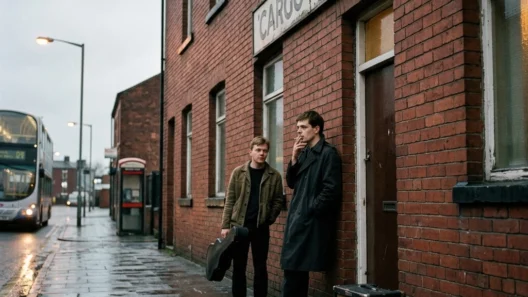
The air in Brixton usually carries a specific kind of electricity, but on this particular Thursday in April 2026, the voltage felt higher than usual. Walking down Coldharbour Lane, the queue didn’t just snake around the corner; it practically colonised the pavement, a sea of vintage denim, scuffed Doc Martens, and wide-eyed anticipation. In an era where a standard concert ticket often costs more than a week’s worth of groceries, the buzz was centered on a single, shiny coin. This was the “Gig for a Quid,” a bold statement from indie stalwarts Only the Poets that has sent shockwaves through the UK music scene.
For years, the narrative surrounding live music has been one of rising costs and gatekeeping. Major tours are frequently criticised for dynamic pricing models that leave genuine fans priced out, while smaller venues struggle to keep the lights on. But tonight, the Electric Brixton became the backdrop for a different kind of story. By capped ticket prices at just £1, Only the Poets didn’t just sell out a venue; they reignited a community spirit that many feared was fading in the face of gentrification and inflation.
The atmosphere was thick with a sense of shared victory. There is something profoundly egalitarian about a pound coin. It levels the playing field, ensuring that the front row isn’t just reserved for those with the deepest pockets, but for those with the most passion. As the doors opened, the rush wasn’t just about getting a good spot; it was about celebrating a moment where music felt accessible again. This wasn’t just a concert; it was a protest against the status quo of the industry.
Breaking the Financial Barrier for the Next Generation
The decision to charge only a quid wasn’t a marketing gimmick or a temporary stunt. For Only the Poets, it was a return to their roots. The band has long championed the idea that music should be a universal right rather than a luxury commodity. In the lead-up to the show, lead singer Tommy Longhurst spoke about the band’s early days, playing to empty rooms and scraping together change for petrol. He understood that for many young fans in South London, the difference between attending a gig and staying home is often a matter of financial survival.
By removing the price barrier, the band opened the doors to a demographic that is frequently overlooked. We often hear about the “death of the high street” or the “decline of youth culture,” but standing in that crowd, those narratives felt hollow. There were teenagers there who were experiencing their first-ever live show: something that would have been impossible at standard 2026 prices. This initiative allowed for the creation of new memories and the discovery of untold stories among the youth of Brixton, who finally felt like the local music scene actually belonged to them.
The ripple effect of the £1 ticket price extended far beyond the box office. Local businesses reported a surge in footfall, with chip shops and independent bars seeing queues out the door as fans spent the money they saved on tickets within the local economy. It proved that when you make culture accessible, the entire community benefits. The band’s sacrifice of a traditional “payday” resulted in a massive investment in social capital, proving that the value of a performance isn’t always measured in profit margins.
A Launchpad for Unsigned Talent and Local Voices
Perhaps the most inspiring element of the night was the support slot. Rather than opting for a label-backed touring partner, Only the Poets held an open call for unsigned acts from the local area. This wasn’t just about giving someone a stage; it was about providing a platform to those whose voices are often drowned out by the noise of the mainstream industry. The slot was eventually awarded to a local three-piece band who, until last week, were playing to twenty people in a pub basement.
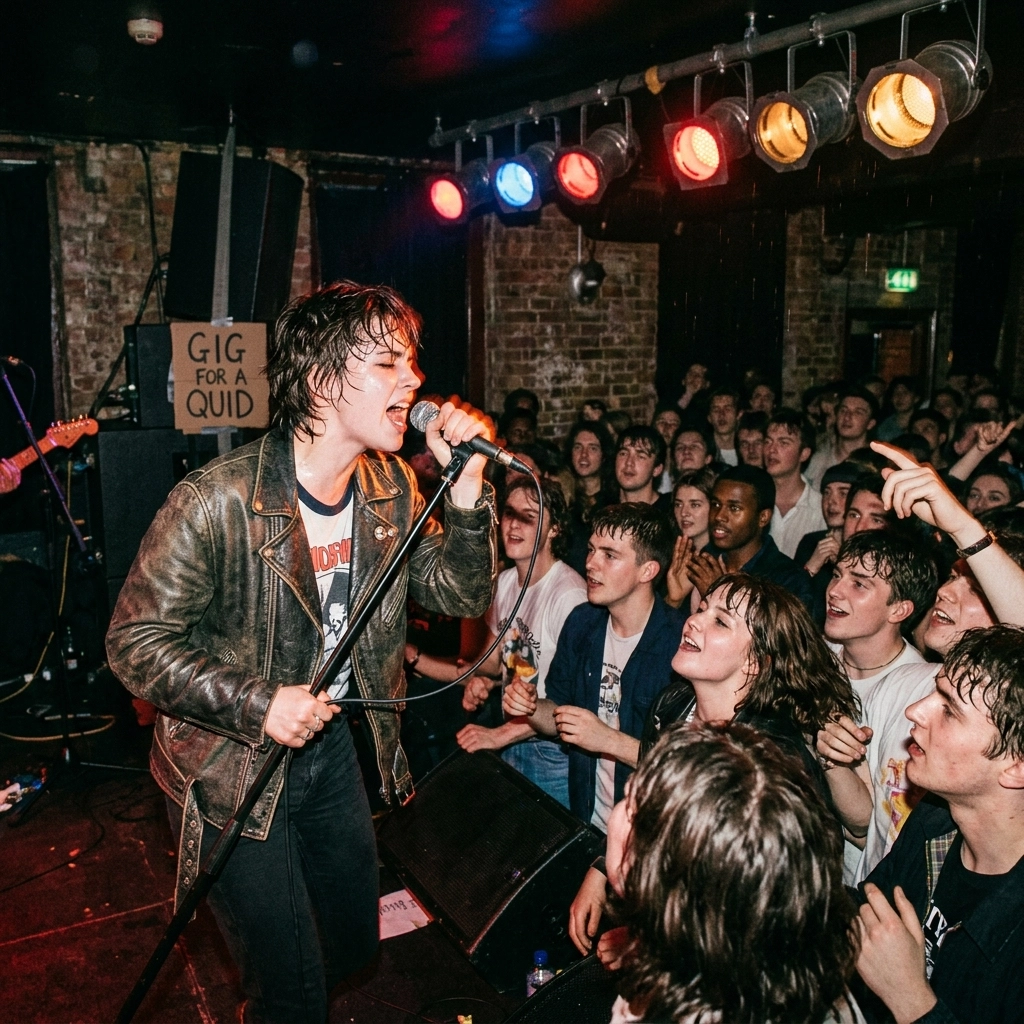
The moment the support act stepped onto the stage, the energy in the room shifted. There was a palpable sense of “one of our own” making it big. For twenty-five minutes, the venue was transformed into a showcase of raw, unfiltered talent. This gesture highlights a crucial gap in the modern music industry: the lack of bridge-building between established artists and the grassroots scene. By sharing their spotlight, Only the Poets did more for local talent development than a dozen industry seminars ever could.
This commitment to the “unsigned” isn’t just about charity; it’s about cultural preservation. Brixton has a legendary musical heritage, from the dub and reggae influences of the Windrush generation to the indie-rock explosion of the early 2000s. However, as rehearsal spaces are converted into luxury flats, the spaces for new artists to grow are shrinking. Initiatives like the Gig for a Quid ensure that the conveyor belt of talent doesn’t stop. It unearths the untold stories of songwriters who are working day jobs while crafting anthems in their bedrooms, giving them the validation that their art matters.
The Lasting Legacy of the Brixton Takeover
As the final chords of the night echoed through the rafters and the crowd spilled back out onto the street, the conversation wasn’t just about the setlist. It was about how the night felt. There was a sense of collective belonging that is often missing from high-security, high-cost arena shows. Fans stayed behind to chat with one another, swapping social media handles and discussing the support band. The “Gig for a Quid” had successfully turned a standard performance into a community event.
The success of the Brixton takeover serves as a blueprint for other artists. It challenges the assumption that high production values and sustainable touring require high ticket prices. While not every artist can afford to play for a pound every night, the move by Only the Poets suggests that a middle ground is possible. It asks the industry to reconsider what “success” looks like. Is it a sold-out stadium with half the seats empty because of scalpers, or is it a packed local venue where every single person in the room can afford to be there?
Ultimately, the night was a celebration of the human element of music. In an age of algorithms and digital streaming, the physical act of gathering in a room to share a melody remains the most powerful tool for connection we have. The untold stories of the fans who saved their last pound for this show, the buskers who were inspired to keep playing, and the local shops that felt the boost, all contribute to a narrative of resilience. Brixton showed the world that when you put people before profits, the music sounds a whole lot sweeter.
The “Gig for a Quid” wasn’t just a one-off event; it was a reminder of why we fall in love with music in the first place. It’s about the energy, the sweat, the community, and the belief that everyone, regardless of their bank balance, deserves a seat at the table: or at least a spot in the mosh pit. As the lights dimmed on the Electric Brixton, the message was clear: the indie spirit is alive, well, and more affordable than ever.
The event in Brixton demonstrates a successful model for integrating high-profile performances with local community support. By prioritising accessibility and providing opportunities for unsigned artists, Only the Poets have set a precedent for how the music industry can evolve to be more inclusive. This approach not only supports the cultural fabric of areas like Brixton but also ensures the continued growth and diversity of the UK’s music scene.