The British government has issued a stark warning to the television industry, insisting that there must be "consequences for criminality or wrongdoing" following a series of serious sexual misconduct allegations involving a popular reality show. The statement comes as a wave of scrutiny hits broadcasters and production companies, with officials demanding a more robust approach to the safety and vetting of participants. Ministers have made it clear that while reality television remains a staple of the cultural landscape, the duty of care owed to those who appear on screen is not optional and must be backed by transparent, enforceable standards.
The catalyst for this intervention was a recent investigative report that detailed harrowing accounts from former participants of a high-profile dating show. The allegations include claims of rape and non-consensual sexual acts, with those involved suggesting that the environment during filming was not sufficiently monitored. While the individuals accused have denied the allegations, the severity of the claims has forced a complete halt to the distribution of recent episodes and triggered a wider conversation about the ethics of "high-stakes" reality formats. The government’s stance reflects a growing impatience with what some critics describe as a "wild west" atmosphere in the production of unscripted content, where the pressure to create sensational television can sometimes eclipse the basic safety requirements of the cast.
Broadcasters Face Heightened Scrutiny Over Duty of Care
Broadcasters are now under intense pressure to explain how such serious allegations could emerge from a controlled filming environment. The government has stressed that broadcasters and production companies are expected to have "strong safeguards" in place, particularly when dealing with vulnerable individuals or formats that intentionally place participants in stressful or emotionally charged situations. The expectation is that every person entering a reality TV contract is afforded a comprehensive level of protection, ranging from psychological support to physical safety measures that remain active throughout the duration of the production and beyond.
In response to the current crisis, one major broadcaster has already taken the drastic step of removing entire seasons of the affected show from its streaming platforms. This move, described as being taken out of an "abundance of caution," signals a shift in how the industry handles reputational and legal risks. However, the government’s warning suggests that simply pulling content is not enough. There is a demand for a systemic overhaul of how contestants are vetted before they are ever allowed on set. Questions have been raised about the depth of background checks, particularly in instances where participants have histories that might indicate a risk to others. The government has indicated that if these protocols are found to be lacking, the consequences could extend beyond public relations damage to include regulatory penalties.
The Metropolitan Police have also become involved, clarifying that while they are aware of the media reports, they are actively urging anyone who believes they have been a victim of sexual assault to come forward. The force is working in tandem with production teams to ensure that any potential criminal activity is identified and reported through the correct legal channels. This police involvement adds a layer of legal gravity to the situation, moving the discussion from one of "industry standards" to one of potential criminal liability. The message from the Home Office and the Department for Culture, Media and Sport is unified: the screen does not provide a shield for illegal behaviour, and the industry must hold itself to the same legal standards as any other workplace in the United Kingdom.
Independent Reviews Launched Amid Shocking Allegations
Following the public outcry and the government’s firm line, multiple investigations have been launched to get to the bottom of the failings. These include an independent welfare review and a separate, lawyer-led investigation into the specific allegations raised by former contestants. The goal of these reviews is to determine not only what happened in these specific instances but also to identify any structural flaws in the production process that might have allowed misconduct to go unchecked. The production companies involved have defended their protocols, asserting that they have "comprehensive and robust" welfare systems in place, yet the launch of these reviews suggests a recognition that those systems may have failed in practice.
The scrutiny is particularly focused on the "duty of care" protocols that were revamped across the industry several years ago. Following previous high-profile tragedies and scandals in the reality TV sector, new guidelines were introduced to ensure the mental and physical wellbeing of participants. However, the recent allegations suggest that these guidelines may be being applied inconsistently, or that they are insufficient to deal with the complexities of modern filming environments. The government is monitoring these independent reviews closely, with the expectation that the findings will be made public and that any recommendations for change will be implemented immediately across the sector.
Experts in the field of media law and television production have pointed out that the "arranged" nature of some reality formats: where strangers are placed in intimate or high-pressure situations: creates a unique set of risks that standard welfare protocols might not fully address. There is a growing call for "on-set" advocates or independent observers who are not beholden to the production company’s interests, whose sole job is to monitor the safety and consent of the participants. The government's warning of "consequences" has emboldened these calls for reform, as it places the responsibility for participant safety squarely on the shoulders of the executives who greenlight these projects.
Political Pressure Mounts for Legislative Safeguards
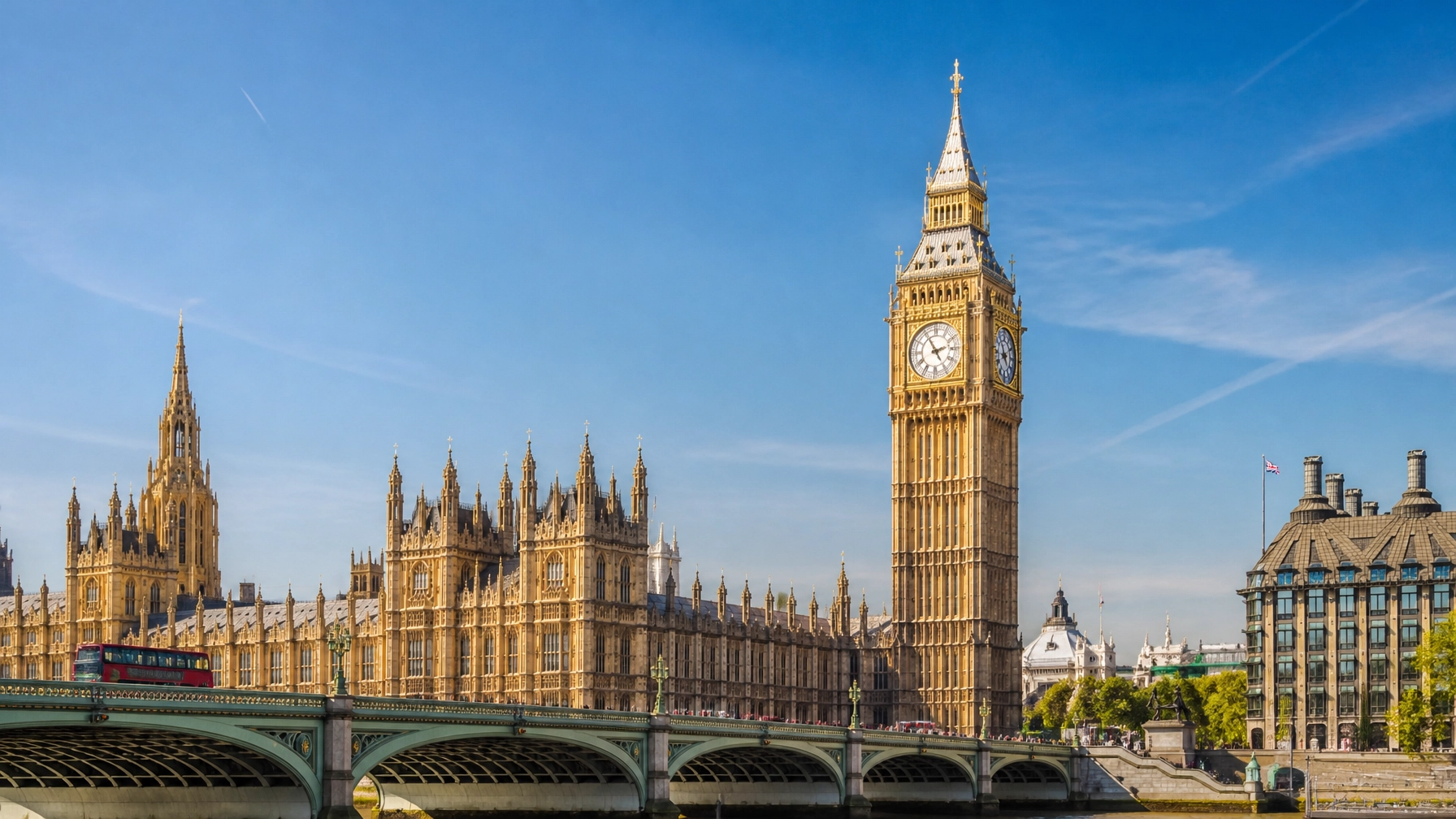
Within Parliament, there is a rising tide of support for more stringent legislative oversight of the reality TV industry. The chair of the Culture, Media and Sport Committee has expressed significant concern over whether production companies are properly vetting participants, specifically regarding past histories of violence or misconduct. There is a feeling among many MPs that the industry has had enough chances to self-regulate and that the time may have come for more direct government intervention. This could include new laws that mandate specific vetting procedures and require broadcasters to report any allegations of serious misconduct to the police immediately, rather than handling them internally.
The debate is not just about the specific show currently in the headlines, but about the future of the unscripted television genre as a whole. Reality TV is a major export for the UK, and there are fears that a series of scandals could damage the reputation of the British creative industries internationally. However, the primary concern remains the human cost. Politicians have pointed out that contestants are often young people seeking a career in the public eye who may not fully understand the risks they are taking or the lack of protection they might face if things go wrong. The government’s insistence on "real consequences" is seen as a necessary deterrent to ensure that production companies do not prioritise ratings over the lives and safety of their cast members.
As the independent reviews proceed and the police continue their enquiries, the television industry finds itself at a crossroads. The era of "anything goes" for the sake of entertainment appears to be coming to an end, replaced by a new reality where broadcasters are held legally and morally accountable for everything that happens under their watch. The government has made its position clear: the safety of participants is not a secondary concern, and any failure to protect them will be met with the full force of the law and regulatory authority. The coming months will determine whether the industry can reform itself from within or whether the government will be forced to step in and impose the standards that it believes are currently missing.