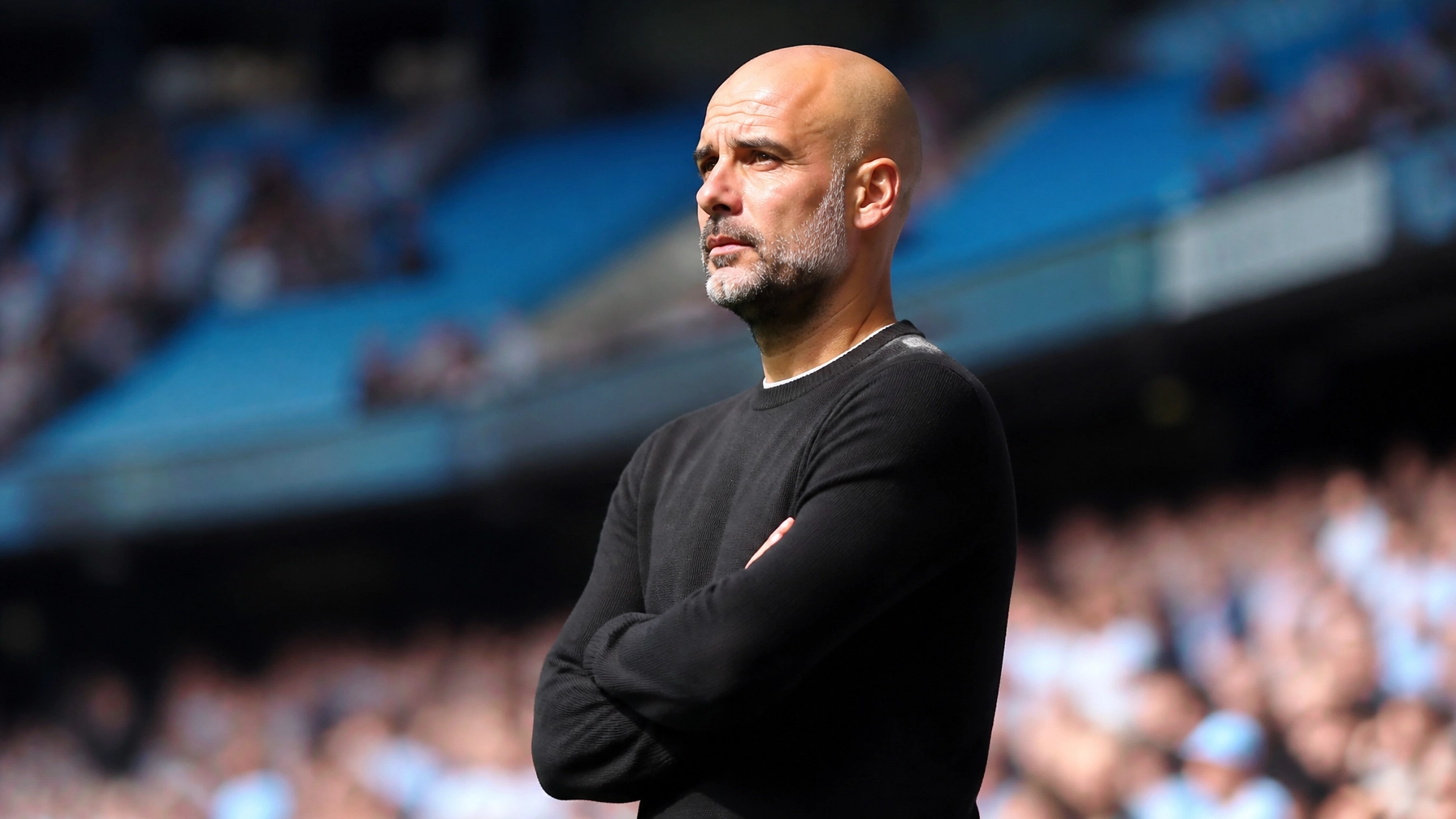
Manchester City are preparing for the departure of Pep Guardiola at the conclusion of the current season, marking the end of a transformative decade that has reshaped the landscape of English football. Although the manager still has a year remaining on his contract, which was set to run until 2027, internal indications suggest that the upcoming final Premier League fixture will serve as his farewell to the Etihad Stadium.
The news comes amidst a period of intense speculation regarding the future of the most successful manager in the club’s history. Since arriving in 2016, Guardiola has secured six Premier League titles, a historic Champions League trophy, and multiple domestic cups, turning Manchester City into a global powerhouse. His decision to step away a year early represents a significant shift for the organisation, which has built its entire footballing infrastructure around his specific demands and vision.
Club officials have not yet released a formal statement confirming the exit, maintaining a public stance that the focus remains entirely on the remaining matches of the season. However, sources close to the hierarchy suggest that preparations are already in motion to manage the aftermath of his departure. The timing of the move is particularly poignant, as it coincides with a period of transition for several key figures within the club’s sporting department.
A Decade of Unprecedented Dominance
When Pep Guardiola first walked through the doors of the City Football Academy, he brought with him a level of tactical sophistication that many doubted could be replicated in the physical environment of the Premier League. Over the course of nearly ten years, he has systematically dismantled those doubts, creating a side that has broken almost every significant record in the English top flight. From the "Centurions" season to the Treble-winning campaign of 2023, his influence has been total.
His tenure has been defined by a relentless pursuit of perfection. Guardiola’s ability to evolve his tactical approach: moving from inverted full-backs to using central defenders in midfield roles: has kept his side ahead of their rivals. This constant innovation has forced other clubs to overhaul their own coaching structures simply to compete. The dominance has not just been about silverware; it has been about the standard of excellence he demanded from every individual within the building.
The impact of his departure will be felt far beyond the trophy cabinet. Guardiola has been the focal point of the club’s identity, a figurehead whose presence guaranteed a certain style of play and a specific standard of professional conduct. His relationship with the players has been central to their success, with many of the world’s best talents choosing to move to Manchester specifically to work under his guidance. Replacing that magnetic pull will be one of the greatest challenges the club has faced since the start of the Abu Dhabi era.
Preparations for a Transition in Leadership
With the expectation of an exit growing, attention has naturally turned to who might be capable of succeeding a figure of such magnitude. Reports suggest that the club has already identified several high-profile candidates, with a clear preference for a manager who can maintain the tactical continuity established over the last decade. The objective is to avoid a period of instability similar to those experienced by other major English clubs following the departure of long-serving, iconic managers.
Among the names being linked with the role is Enzo Maresca, a former assistant to Guardiola who has recently gained significant recognition for his own managerial exploits. Maresca was part of the coaching staff during the Champions League-winning season and is highly regarded by Guardiola himself. His understanding of the club’s internal workings and his adherence to a similar footballing philosophy make him a logical choice for a hierarchy that values stability above all else.
The transition will not just involve the manager’s office. The departure of director of football Txiki Begiristain, a long-time ally of Guardiola, has already been confirmed, suggesting a wider refresh of the club’s leadership. This synchronised exit of the two most influential figures in the sporting department indicates that Manchester City is entering a new chapter. The challenge for the incoming staff will be to uphold the winning culture while beginning the difficult task of regenerating a squad that has given everything to the Guardiola cause.
The End of a Defining Footballing Philosophy
The legacy Guardiola leaves behind is not merely a collection of medals but a fundamental shift in how the game is played and perceived in the United Kingdom. Before his arrival, the idea of a goalkeeper being judged primarily on their passing range or a team prioritising possession to the extent that he does was considered a luxury. Today, these concepts are foundational across all levels of the English game. He has influenced a generation of coaches and changed the expectations of supporters across the country.
As the season draws to a close, the atmosphere at the Etihad is likely to be one of both celebration and reflection. Fans have witnessed a period of success that was once unimaginable, seeing their team play some of the most cohesive and attractive football ever seen on these shores. The final matches will serve as a tribute to a man who took a club with a history of "typical City" inconsistencies and turned them into a machine of ruthless efficiency.
While the future remains uncertain, the foundations laid by Guardiola are robust. The infrastructure, the academy, and the recruitment processes are all world-class. However, the intangible qualities he brought: the intensity on the touchline, the obsessive attention to detail, and the ability to inspire world-class athletes to go again season after season: are not easily replaced. As the curtain falls on this era, Manchester City faces the daunting task of proving that the culture of success can survive without its chief architect. The Premier League, too, will have to adapt to the absence of a manager who has set the bar for the last decade.