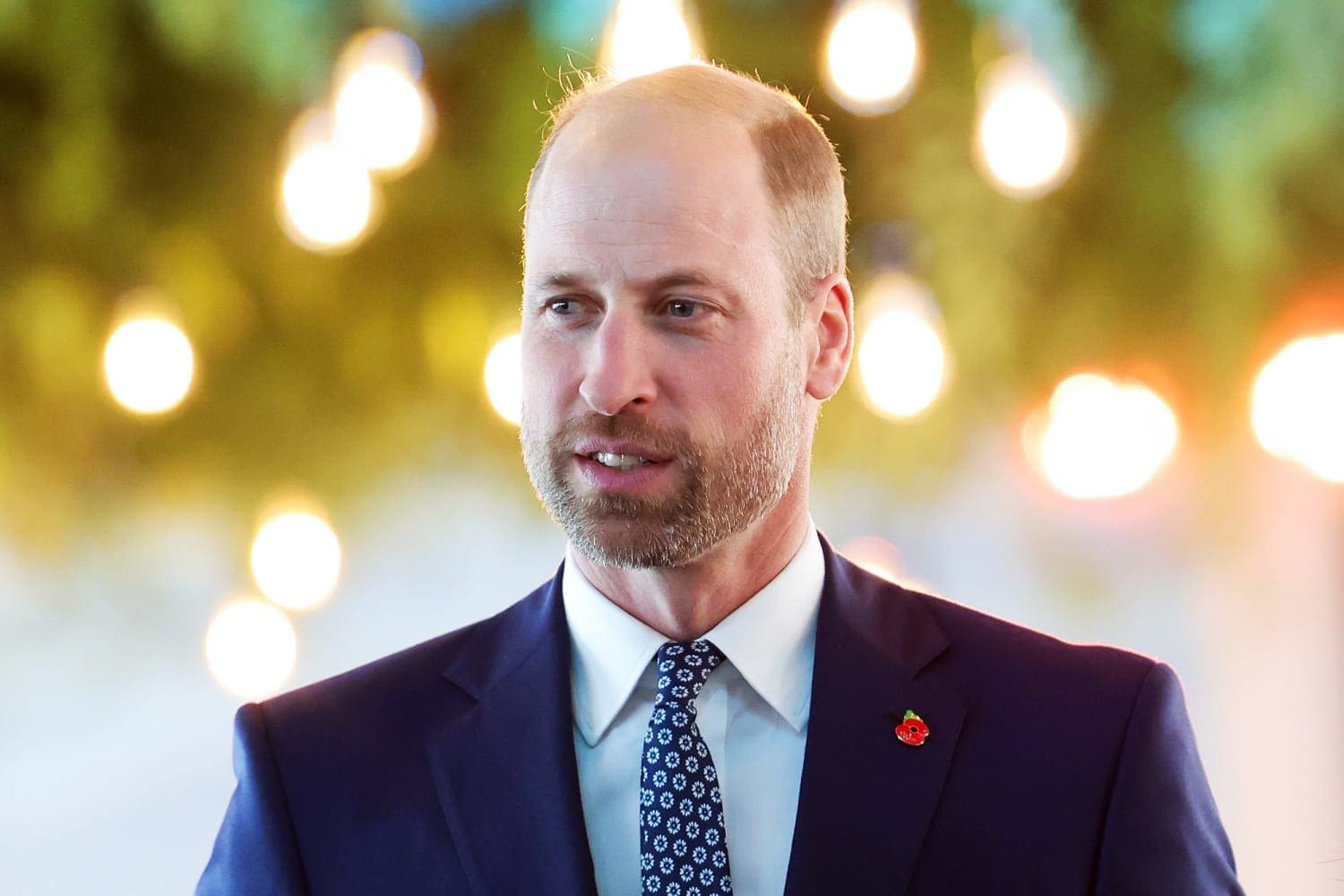
Prince William has unveiled an ambitious ten-year strategy for the Duchy of Cornwall, signalling a departure from traditional land management towards a model of active social and environmental investment. By divesting approximately twenty per cent of the estate’s land holdings, the Prince of Wales intends to generate an estimated £500 million to fund a suite of transformative projects. This multi-million-pound initiative is designed to tackle the United Kingdom’s chronic housing shortage, stimulate rural economies, and accelerate nature recovery across the country. The move marks a significant evolution for the 700-year-old estate, repositioning it as a vehicle for modern social impact and environmental stewardship.
The cornerstone of this vision is a commitment to delivering 12,000 new homes by 2040. A substantial portion of the raised capital: approximately £161 million: will be directed specifically toward housing projects, with a firm mandate that at least one-third of these properties be designated as affordable housing. This initiative is closely aligned with the Prince’s Homewards programme, which seeks to demonstrate that homelessness can be ended through long-term, stable housing solutions. By leveraging the Duchy’s vast resources, the Prince aims to create sustainable communities where high-quality architecture meets social responsibility, ensuring that residents have access to secure and permanent homes in environments that foster well-being.
Beyond housing, the plan allocates roughly £123 million to bolster rural businesses and create new employment opportunities. The intention is to support the backbone of the British countryside by investing in workplaces that allow local enterprises to thrive. This investment acknowledges the unique challenges faced by rural communities, from limited infrastructure to the flight of young talent to urban centres. By creating modern, functional workspaces on Duchy land, the Prince hope to encourage a new generation of entrepreneurs and craftsmen to build their futures in the countryside, ensuring that rural life remains vibrant and economically viable for decades to come.
A Transformative Investment in Sustainable Communities
The shift in the Duchy of Cornwall’s strategy represents a profound change in how one of the nation’s largest landed estates operates. Under the guidance of Prince William and the Duchy’s chief executive, Will Bax, the estate is transitioning from a passive landlord role to that of a proactive developer and investor. This approach prioritises the creation of “human-scale” developments: neighbourhoods designed with people at their heart, rather than just profit margins. These communities are planned to incorporate walkable streets, green spaces, and local amenities that reduce the reliance on cars and encourage social interaction. By focusing on the long-term health of these settlements, the Duchy aims to set a new benchmark for British housebuilding that values quality of life as much as quantity of units.
The commitment to affordable housing is particularly poignant given the current economic climate. Many young families and essential workers find themselves priced out of the communities where they grew up or work. The Prince’s plan seeks to bridge this gap by ensuring that a significant proportion of new Duchy developments remain accessible to those on lower incomes. This is not merely about providing a roof over someone’s head; it is about providing a sense of belonging and security. The integration of social housing within broader developments ensures that these new neighbourhoods are diverse and resilient, avoiding the pitfalls of segregated housing that have plagued urban planning in the past.
Furthermore, the scale of the investment allows for the implementation of cutting-edge sustainable building techniques. The Duchy intends to use the £500 million boost to pioneer construction methods that minimise carbon footprints and maximise energy efficiency. From the use of local timber and stone to the installation of advanced insulation and heat pump technology, these homes are designed to be fit for a net-zero future. This focus on sustainability ensures that the environmental impact of new housing is mitigated, while also providing residents with homes that are cheaper to heat and maintain, offering a double benefit of environmental protection and financial relief for households.
Prioritising Environmental Stewardship and Bio-Diversity
A vital component of the Prince’s vision is the restoration of the natural world. While housing often dominates the headlines, the environmental aspect of this £500 million plan is equally ambitious. Approximately £20 million has been earmarked for specific nature recovery projects and emissions reduction schemes. This includes the restoration of vital peatlands across the Duchy’s estates, which serve as crucial carbon sinks. Peatland restoration is one of the most effective ways to combat climate change, as healthy bogs sequester carbon far more efficiently than forests. By investing in these landscapes, the Duchy is taking a direct lead in the UK’s broader efforts to reach its climate targets.
The environmental strategy also extends to the promotion of biodiversity. The Prince’s plan involves the creation of wildflower meadows, the planting of thousands of native trees, and the protection of wildlife corridors across the estate. These initiatives are designed to reverse the decline of British wildlife and create habitats where bees, birds, and other essential species can flourish. This “nature-first” approach ensures that any new development is balanced by a corresponding effort to enhance the surrounding ecosystem. It is a recognition that human prosperity is inextricably linked to the health of the planet, and that true sustainability requires a holistic view of the landscape.
Renewable energy also plays a central role in this green vision. The Duchy plans to significantly expand the use of solar energy, particularly in the South West of England. By installing solar panels on rooftops across its vast portfolio of residential and commercial properties, the estate aims to generate enough clean electricity to power approximately 40,000 homes. This move towards decentralised energy production not only reduces the carbon footprint of the estate but also contributes to the UK’s energy security. It demonstrates how traditional estates can adapt to modern challenges, turning historical assets into engines of the green transition.
Delivering Social Impact Through Strategic Asset Management
The decision to sell one-fifth of the Duchy’s land over the next decade is a bold move in strategic asset management. Traditionally, landed estates have guarded their acreage with fierce protectionism, viewing land as an immutable store of wealth. However, Prince William’s approach suggests that land is a tool to be used for the greater good. By selling off commercial assets and land that may no longer serve the estate’s primary social goals, the Duchy can liquefy its wealth and reinvest it where it is needed most. This “recycling” of capital allows the estate to remain financially robust while significantly increasing its capacity for direct social action.
This strategic shift is also about creating a legacy that reflects the values of the 21st century. The Prince has often spoken about his desire to be a “transformational” leader, and this housing and nature plan is perhaps the clearest evidence of that ambition. It moves beyond philanthropy into the realm of systemic change. By proving that a large-scale landowner can prioritise social housing and nature recovery while maintaining a viable financial model, the Prince is providing a blueprint for other institutions to follow. It is an invitation for both public and private sectors to reconsider their roles in society and to ask how their assets can be better utilised for the common benefit.
Ultimately, the £500 million boost for UK housing and nature is a message of hope. It acknowledges the deep-seated problems facing the nation: from the housing crisis to the climate emergency: but responds with a concrete, well-funded, and long-term plan. For the residents who will eventually move into these new homes, the businesses that will start in these new workspaces, and the ecosystems that will be restored by these environmental projects, the impact will be life-changing. Prince William’s vision for the Duchy of Cornwall is a testament to the idea that heritage and progress can go hand in hand, creating a future that is more equitable, more sustainable, and more connected to the natural world.