The British coastline is undergoing a silent transformation as a new generation of maritime workers takes to the waves, not for traditional fishing or cargo transport, but for the burgeoning sector of ocean restoration. The Sea Ranger Service, a social enterprise that first found success in the Netherlands, has officially established its presence in the United Kingdom, specifically targeting the coastal waters of Wales and the south-west of England. This initiative marks a significant shift in how environmental protection is approached, moving away from purely volunteer-led or academic-focused efforts toward a professional, paid workforce of young adults aged 18 to 29. By combining social impact with environmental necessity, the service provides a structured career path for those living in coastal communities who might otherwise face limited employment opportunities.
The programme operates on a unique model that treats ocean conservation as a blue-collar industry. Participants, known as Sea Rangers, undergo a rigorous selection process followed by a five-week bootcamp designed to test physical endurance, mental resilience, and teamwork. Those who pass the bootcamp are offered full-time, paid contracts to work aboard specially designed, carbon-efficient sailing vessels. These ships are equipped to carry out a variety of tasks, from monitoring marine protected areas to restoring seagrass meadows, all while maintaining a minimal environmental footprint. The launch of the UK branch, operating out of Port Talbot, represents a critical expansion for the organisation as it seeks to meet its ambitious global goal of restoring one million hectares of ocean biodiversity by 2040.
A New Wave of Maritime Conservation
At the heart of the Sea Ranger Service’s operations is the restoration of seagrass, a vital but often overlooked component of the marine ecosystem. British waters have lost approximately 92 per cent of their seagrass meadows over the last century due to pollution, coastal development, and destructive fishing practices. These underwater plants are remarkable carbon sinks, capable of capturing carbon at a rate thirty-five times faster than tropical rainforests. By replanting these meadows, Sea Rangers are directly contributing to the UK’s net-zero targets. The work is labour-intensive and requires precision; it involves diving to plant seeds or using innovative techniques to spread seed-filled bags across the seabed. This hands-on approach ensures that restoration efforts are scaled up significantly compared to traditional small-scale volunteer projects.
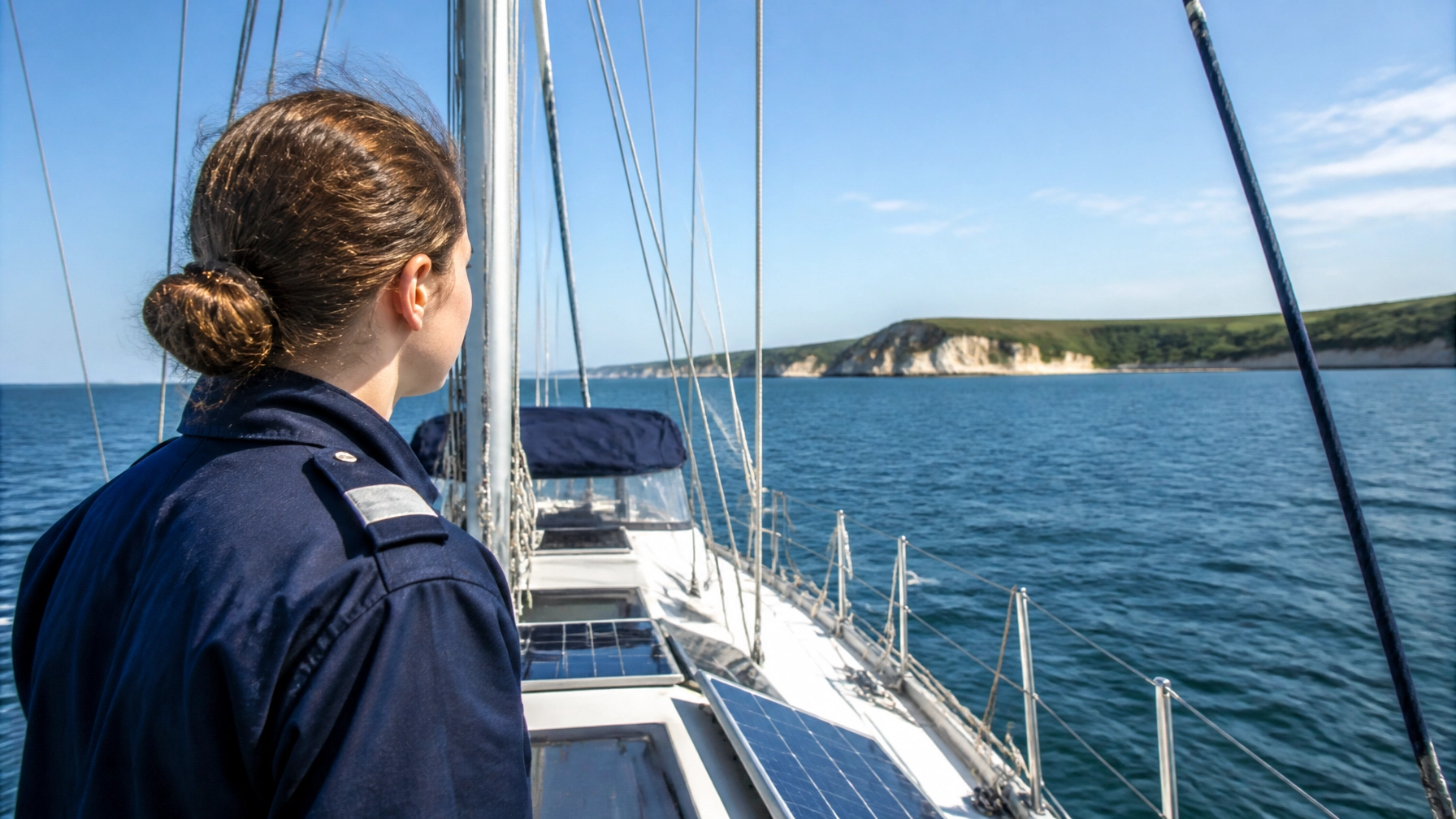
The vessels used by the service are just as important as the work itself. Eschewing heavy, diesel-guzzling industrial ships, the service utilises steel-hulled sailing vessels that rely on wind power for the majority of their transit. This reduces operational costs and prevents further pollution of the areas they are trying to protect. Onboard, the Rangers manage everything from navigation to technical data collection. They work closely with government agencies and environmental organisations to provide real-world data on water quality, biodiversity levels, and the health of marine life. This data is essential for scientists who often lack the resources to maintain a constant presence at sea. For the Rangers, this means developing a sophisticated understanding of marine biology and environmental science while performing the physical duties of a deckhand.
The transition to this professionalised model of conservation addresses a long-standing gap in the maritime sector. Historically, entry-level roles in oceanography or conservation required university degrees and often involved unpaid internships, which excluded many young people from working-class backgrounds. The Sea Ranger Service flips this dynamic by prioritising motivation and physical aptitude over academic credentials. In the UK, where coastal towns often experience higher levels of unemployment and social deprivation, this approach provides a genuine lifeline. By turning environmental restoration into a viable trade, the programme is fostering a new sense of pride and stewardship among those who live closest to the sea.
Skill-Building on the High Seas
The training provided by the Sea Ranger Service is intentionally intense, mirroring the conditions of the offshore wind and commercial shipping industries. During the initial bootcamp, recruits are pushed to their limits through physical drills, navigation exercises, and survival training. This ensures that when they eventually step onto a working vessel, they are fully prepared for the unpredictable nature of the British weather and the demands of life at sea. The skills they acquire are highly transferable; many former Sea Rangers have gone on to careers in the offshore wind sector, the Merchant Navy, and environmental consultancy. This career progression is a core part of the organisation's mission, ensuring that their impact lasts long after a Ranger’s contract has ended.
Working in the UK’s coastal waters presents unique challenges compared to the calmer conditions of the Dutch coast where the service began. The Bristol Channel, for instance, has one of the highest tidal ranges in the world, requiring exceptional seamanship and constant awareness of current changes. For the young recruits, many of whom have never spent significant time on a boat before, the learning curve is steep. However, the structured environment of the ship fosters a deep sense of discipline and camaraderie. Life on board is governed by a strict watch system, where everyone is responsible for the safety of the vessel and the success of the mission. This environment builds a type of confidence and resilience that is difficult to find in office-based roles.
Beyond the technical skills, the programme places a heavy emphasis on leadership and personal development. Rangers are encouraged to take ownership of specific projects, whether that is maintaining the ship’s rigging or managing a data-collection survey. This level of responsibility at a young age is a hallmark of the service’s success. By treating young adults as professional maritime workers rather than students, the service empowers them to take charge of their own careers. In the UK, where the maritime industry is currently facing a significant skills shortage, the Sea Ranger Service is proving to be an essential pipeline for the next generation of seafarers. The focus is not just on the immediate task of conservation, but on building a sustainable workforce for the entire blue economy.
Protecting Our Coastal Heritage
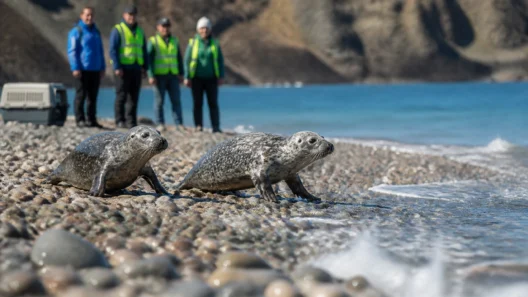
The expansion of the Sea Ranger Service into the UK comes at a time when the health of our oceans has never been more critical. Marine protected areas (MPAs) cover a large portion of British waters, but many of these are often described as 'paper parks': areas that are protected on maps but lack active management or monitoring on the ground. The Sea Rangers fill this void by providing a physical presence in these areas. They act as the eyes and ears of the coast, reporting illegal activities and monitoring the impact of climate change in real-time. This active management is crucial for the long-term survival of British marine species, from the smallest crustaceans to larger mammals like seals and dolphins.
Furthermore, the social impact of the service cannot be overstated. By targeting young people who are currently 'not in education, employment, or training' (NEET), the programme addresses social inequality head-on. Many of the recruits come from towns where the decline of traditional industries like coal and steel has left a vacuum of opportunity. The Sea Ranger Service offers a way to reconnect with the local environment while gaining the financial independence that comes with a paid role. The programme has received support from various UK bodies, including partnerships that facilitate the restoration of seagrass meadows in the Port of Tyne and other industrial harbours. This collaboration between social enterprise, government, and the private sector is a model for how the UK might tackle the dual crises of youth unemployment and biodiversity loss.
As the service continues to grow, it is looking toward further expansion across the UK and into France. The vision is to create a network of Sea Ranger hubs in every major coastal region, each tailored to the specific environmental needs of its local waters. Whether it is removing ghost fishing gear from the rocky coasts of Scotland or restoring kelp forests in the south, the potential for growth is immense. The success seen in the early stages of the UK launch suggests that there is no shortage of young people eager to trade a desk job for a life on the water. By providing the training, the ships, and the salary, the Sea Ranger Service is proving that the future of ocean conservation lies in the hands of the youth.
The Sea Ranger Service is currently operating its latest intake from its base in Port Talbot, with plans to increase the fleet of sailing vessels over the next two years. Each vessel is estimated to contribute to the restoration of hundreds of hectares of marine habitat annually. The organisation remains a social enterprise, reinvesting its profits into the training of more young people and the development of new conservation technologies. By the end of the current decade, the service aims to have hundreds of active Sea Rangers patrolling and restoring the British coastline. This initiative stands as a testament to the fact that environmental work can be a stable, rewarding, and highly skilled profession for the next generation of British workers.