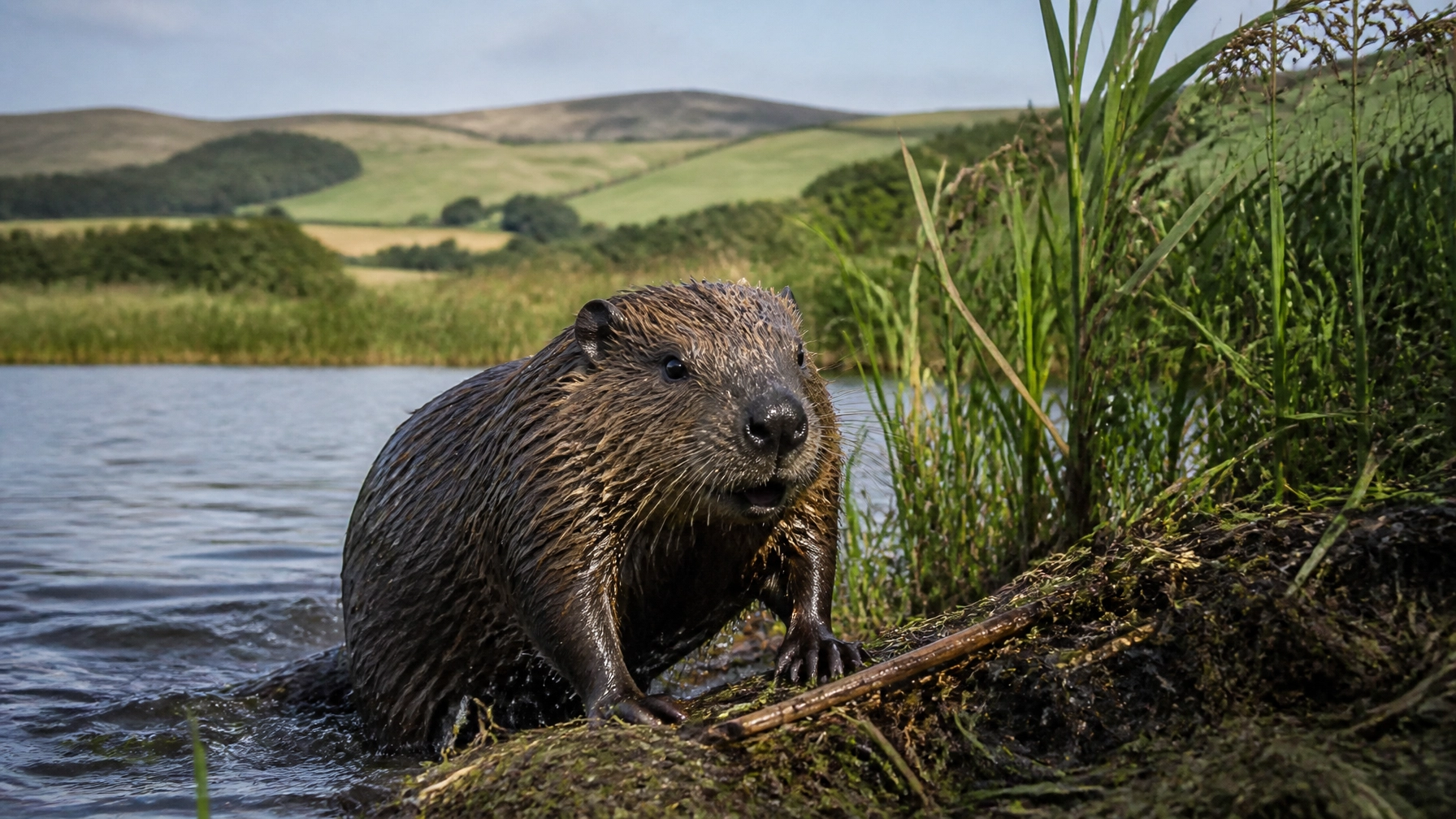
For the first time in over four centuries, the rhythmic slap of a beaver’s tail against the water is once again a natural part of the Somerset soundscape. This isn't just a win for wildlife enthusiasts; it is a monumental shift in how we approach land management and environmental restoration in the United Kingdom. After being hunted to extinction in the 16th century for their fur, meat, and castoreum, these industrious rodents are finally reclaiming their place in the British wilds, starting with a historic release on the Holnicote Estate on Exmoor.
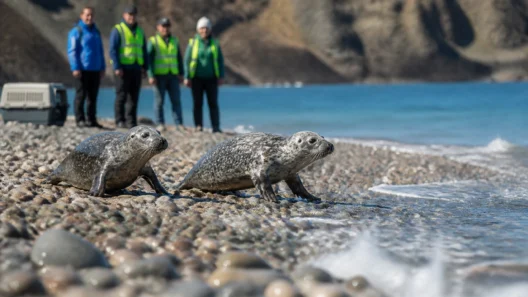
The return of the Eurasian beaver to Somerset is a story of persistence, science, and a growing recognition that nature often knows best when it comes to fixing its own problems. On a crisp morning earlier this February, conservationists and government officials gathered to witness a family group: a mother and her three kits: alongside a separate pair of beavers, being legally released into the wild. This wasn't a clandestine operation or an accidental escape; it was a carefully managed move sanctioned by Natural England, marking the beginning of a new era for our rivers and wetlands.
The Somerset countryside, with its rolling hills and intricate river systems, provides the perfect canvas for these "ecosystem engineers." By building dams and creating complex pond systems, beavers naturally manage the flow of water, which has profound implications for the human communities living downstream. In an age where extreme weather events and flooding are becoming increasingly common, the arrival of these animals offers a low-cost, high-impact solution that mimics the way our landscapes used to function before human intervention flattened and drained them.
Restoring the Balance of Nature
The introduction of beavers is far more than a sentimental gesture to bring back a lost species. They are considered a keystone species, meaning their presence has a disproportionately large effect on their environment. When beavers move into a waterway, they immediately set to work modifying it to suit their needs, and in doing so, they create a habitat that supports a vast array of other British wildlife. From the moment they fell their first sapling and drag it into the current, the transformation begins.
As beavers build their dams, they create deep pools of still water. These ponds become nurseries for fish, providing safety from predators and a wealth of food. The slow-moving water also allows silt to settle, which significantly improves the quality of the water flowing further down the river. For insects like dragonflies and damselflies, these new wetlands are a paradise, which in turn attracts birds and bats. Even rare species, such as the water vole, find sanctuary in the complex edges and burrows created by beaver activity.
The Somerset releases have been strategically placed to allow the animals room to expand. By establishing territories across the catchment area of the Holnicote Estate, these initial groups will act as the foundation for a wider population. The goal is to create a mosaic of habitats: a mixture of open water, boggy marshland, and shaded woodland: that can support a diverse range of flora and fauna. This natural restoration is far more effective and sustainable than any man-made conservation project, as the beavers provide constant, free maintenance of the landscape.
Natural Solutions for Flood Management
One of the most compelling reasons for the return of beavers to Somerset is their ability to mitigate the effects of flooding. Traditional flood defences often involve expensive concrete structures designed to move water away from towns as quickly as possible. However, this frequently just pushes the problem further downstream. Beavers take the opposite approach: they slow the flow. Their dams act as natural "leaky" barriers, holding back huge volumes of water during heavy rainfall and releasing it slowly over several days.
This natural regulation of the water cycle is particularly vital for the Somerset Levels and the surrounding valleys, which have historically struggled with devastating flood events. By "roughening" the landscape and creating storage space for water in the uplands, beavers can significantly reduce the peak flow of rivers during storms. This means that by the time the water reaches residential areas, the surge is far less intense, potentially saving millions of pounds in property damage and protecting local livelihoods.
During periods of drought, the benefits are equally significant. The ponds created by beavers act as reservoirs, keeping the surrounding soil moist and ensuring that streams do not completely dry up. This helps the agricultural sector by maintaining groundwater levels and providing a reliable water source for livestock. It is a prime example of how working with nature, rather than against it, can provide practical solutions to some of the most pressing challenges posed by a changing climate. The Somerset project is serving as a living laboratory for this approach, proving that ecological restoration and economic security can go hand in hand.
A New Chapter for the British Countryside
The successful release of beavers in Somerset marks a significant policy shift within the UK government. After years of small-scale trials and enclosed projects, the move toward licensed wild releases shows a growing confidence in the ability of beavers to coexist with modern land use. The presence of Nature Minister Mary Creagh at the Somerset release highlights the importance of this project on a national scale. It signals that the restoration of native species is now a central pillar of the country’s environmental strategy.
Of course, the return of a large rodent that fells trees and builds dams is not without its challenges. Farmers and landowners have raised valid concerns about the potential for localized flooding of agricultural land or the loss of specific trees. To address this, the Somerset project includes a comprehensive management plan. This involves working closely with local communities to monitor the beavers' progress and providing support for "beaver-proofing" valuable infrastructure or crops where necessary. In other parts of Europe where beavers were never lost, such coexistence is a normal part of rural life, and the UK is now catching up.
Education and community engagement are at the heart of the Holnicote initiative. By involving local residents in the monitoring process and sharing the visible benefits of the beavers’ work, conservationists hope to build a sense of pride and ownership in this wilder Somerset. The return of the beaver is not just about the animal itself; it’s about reconnecting people with the natural processes that sustain us. As these families of beavers settle into their new homes on Exmoor, they are doing more than just building dams: they are helping us reimagine what a healthy, vibrant British countryside can look like for future generations.
The reintroduction of beavers to Somerset is a long-term commitment that will be monitored for years to come. Data collected from these sites will inform future releases across England as Natural England begins to process more wild release licences. Currently, the Holnicote Estate is home to two distinct release groups: a family of four and a breeding pair. These animals were sourced from existing populations and underwent rigorous health checks before being transported to Somerset. Future plans include the release of additional individuals to ensure genetic diversity and long-term population stability in the region.