On 11 May 2026, Prime Minister Keir Starmer announced a significant shift in British industrial policy by confirming plans to bring British Steel back into public ownership. This move marks the first time since the privatisation of the industry in 1988 that the steel giant will be under government control. The decision follows years of financial instability and a series of failed attempts to find a sustainable commercial path for the company under its previous owners, the Chinese Jingye Group. With the official legislation expected to be a centrepiece of the upcoming King’s Speech on 13 May, the news has sent ripples through the industrial heartlands of the United Kingdom, particularly in Scunthorpe, where the future of thousands of workers has hung in the balance for months.
The government’s intervention is framed as a matter of national interest and sovereign capability. For years, the Scunthorpe site has been haemorrhaging cash, with reports suggesting losses of up to £700,000 every single day. The previous temporary intervention in April 2025, under the Steel Industry Special Measures Act, allowed the government to oversee daily operations, but this latest announcement signals a more permanent transition. The Prime Minister has made it clear that allowing the blast furnaces to go cold was never an option, citing the devastating ripple effect it would have on the wider economy and the national supply chain. This is a bold gamble for a Labour government that has faced recent local election challenges, positioning itself as an activist state willing to take direct control of critical infrastructure when the market fails.
The nationalisation process will be governed by a strict public interest test. This test will weigh factors such as national security, the preservation of critical infrastructure, and the long-term economic resilience of the United Kingdom. Critics and supporters alike are watching closely to see how the government manages the transition from a loss-making private entity to a state-run strategic asset. The move is not just about keeping the lights on in Scunthorpe; it is about redefining what it means for a nation to possess its own primary steelmaking capacity in an increasingly volatile global market.
A New Chapter for Industrial Communities
For the 3,500 workers employed at the Scunthorpe plant, the announcement provides a much-needed sense of relief after a prolonged period of anxiety. The local community in North Lincolnshire is built around the steelworks, and the threat of closure has loomed like a dark cloud over the region. Nationalisation offers a degree of stability that private ownership could not guarantee, especially as the industry grapples with the high costs of energy and the urgent need for modernisation. Families who have seen generations pass through the gates of the works now have a reason to hope that the industry has a future beyond the immediate crisis.
The survival of the Scunthorpe site is vital for more than just the direct employees. The wider supply chain, including contractors, logistics firms, and local service providers, supports thousands more jobs across the region. When the government talks about protecting the region from being decimated, it is referring to the social fabric of an area that has already suffered from the decline of heavy industry over several decades. Public ownership brings the promise of a more long-term perspective on investment, one that prioritises social and economic stability over short-term dividends or the immediate pressure of daily losses. However, the challenge remains to turn a facility that has been losing millions of pounds a week into a viable part of the modern British economy.
This shift in ownership also brings the responsibility of governance back to Westminster. The workers are no longer just employees of a multinational corporation; they are now part of a state-backed strategic project. This change in status is likely to impact industrial relations and the way the workforce engages with management. Union leaders have generally welcomed the move, seeing it as a victory for those who have campaigned to save the industry, but they are also aware that the hard work of restructuring and modernising the plant is only just beginning. The focus will now shift to how the government intends to manage the day-to-day operations and what kind of investment will be directed towards the Scunthorpe site in the coming years.
The Economic Weight of Nationalisation
From a broader economic perspective, the nationalisation of British Steel is being sold as an essential move for national security. Steel is a foundation industry, providing the raw materials for everything from nuclear submarines and warships to the railway network and the construction of new hospitals. By maintaining a domestic steelmaking capacity, the UK reduces its reliance on international markets and ensures that it can meet at least 50% of its own steel demand, as outlined in the Steel Strategy launched in March 2026. This concept of sovereign capability has become increasingly important in a world where global supply chains are frequently disrupted by geopolitical tensions.
The cost of nationalisation is a point of intense debate. Taking over a company that has been losing £700,000 a day is a massive financial commitment for the taxpayer. The government argues that the cost of doing nothing: which would involve massive redundancy payments, the collapse of supply chains, and the long-term economic depression of industrial towns: would be far higher in the long run. By stepping in, the state is effectively underwriting the risk that private investors were no longer willing to take. This represents a significant pivot in UK economic policy, moving away from the hands-off approach that has dominated since the late 1980s and towards a more interventionist stance.
Strengthening Britain’s industrial base through state ownership also has implications for the UK’s trade balance. If the country can successfully produce its own high-quality steel, it reduces the need for expensive imports and supports the domestic manufacturing sector. However, the government will need to navigate international trade rules and ensure that the state-owned British Steel can compete on a global stage without falling foul of anti-subsidy regulations. The success of this economic experiment will depend on the government’s ability to run the company efficiently while simultaneously investing in the new technologies required to keep the industry relevant in the 21st century.
Balancing Net Zero and Job Security
One of the most complex challenges facing the nationalised British Steel is the transition to green steel. The UK government is committed to achieving net zero, and the steel industry is currently one of the country's largest emitters of carbon dioxide. The transition from traditional blast furnaces, which rely on coking coal, to electric arc furnaces is a cornerstone of the modern industrial strategy. These newer furnaces use electricity to melt scrap steel, significantly reducing the carbon footprint of the production process. However, this transition is not without its difficulties, as electric arc furnaces typically require fewer workers, leading to fears that the move to green steel could result in job losses even under state ownership.
The government must find a way to balance its environmental obligations with its commitment to protecting jobs. This involves investing in retraining programmes for the current workforce and ensuring that the move to more sustainable production methods does not leave the industrial heartlands behind once again. There is also the question of energy costs; for electric arc furnaces to be competitive, the UK must be able to provide affordable, clean energy to its industrial sectors. Nationalisation gives the state more levers to pull in this regard, allowing for a more integrated approach to energy and industrial policy that was difficult to achieve when the steelworks were in private hands.
The long-term viability of British Steel will ultimately depend on its ability to produce the high-grade steel required for the green economy, such as the specialised components needed for wind turbines and electric vehicles. By taking control of the company, the government has the opportunity to align British Steel’s production goals with the nation’s wider environmental and industrial targets. This is a massive undertaking that requires not just financial investment, but a clear vision for the future of British manufacturing. The decision to nationalise is the first step in a long journey toward a more sustainable and resilient industrial future for the UK.
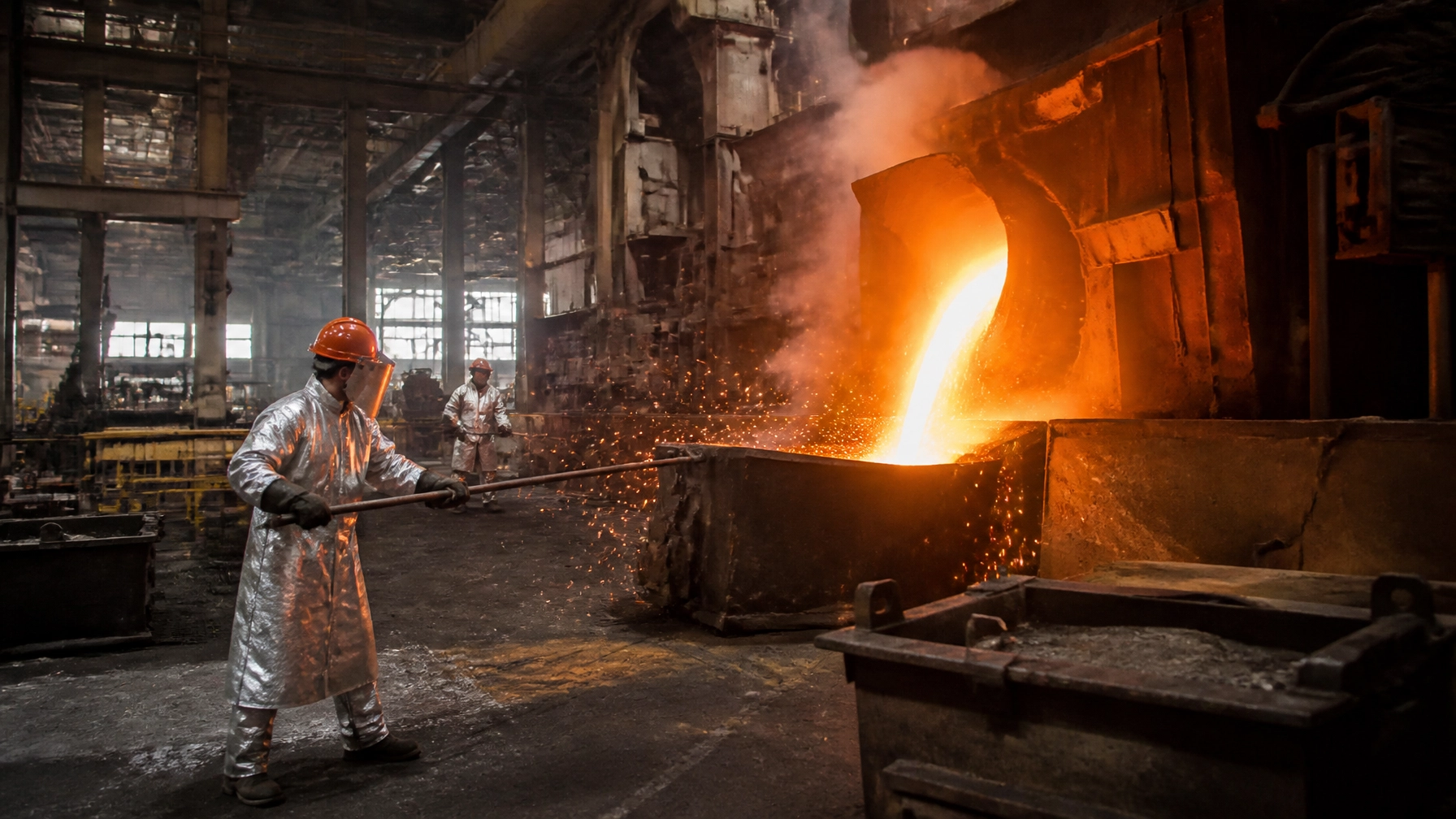
The formal introduction of the Bill to Parliament later this week will provide more clarity on the legal and financial framework of this historic move. As the country prepares for the King’s Speech, the focus remains on the thousands of workers whose livelihoods depend on the heat of the furnaces and the government's ability to turn a failing private company into a successful public asset. The return of British Steel to public ownership is a bold statement of intent, signalling a new era for British industry where the state plays a central role in securing the nation's economic future.