A delicate cargo of some of the world’s most threatened amphibians has arrived safely in the capital, marking a significant milestone in a global conservation effort to prevent their total extinction. The shipment, containing dozens of rare Ghanaian frogs, completed a 4,500-mile journey from the dense forests of West Africa to the specialist facilities of London Zoo. This arrival represents more than just a logistical success; it is a vital lifeline for two species that are currently teetering on the very edge of existence.
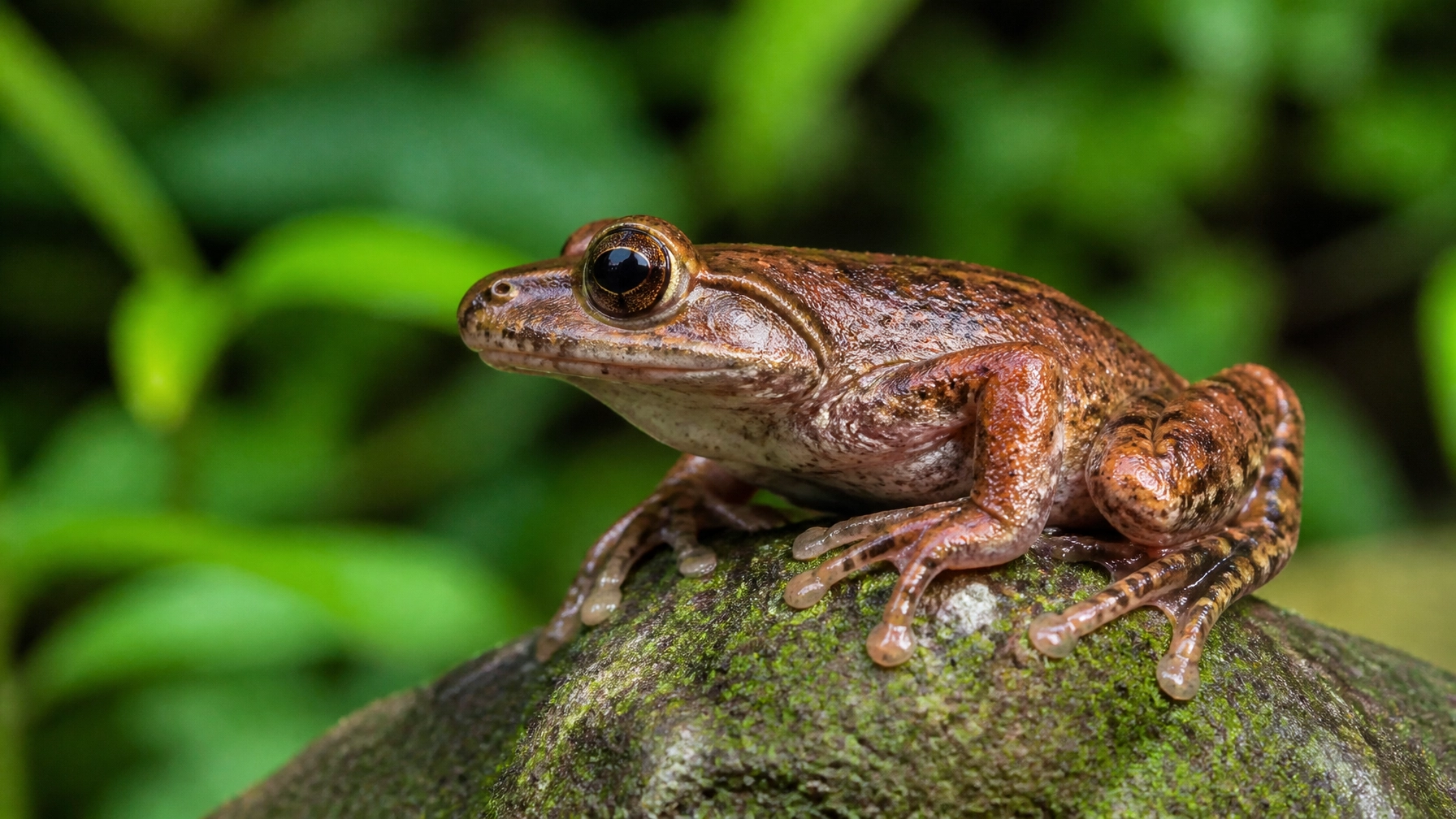
The animals involved include the Atewa slippery frog and Afia Birago’s puddle frog, both of which are classified as critically endangered. Until recently, these species were virtually unknown to the wider world, tucked away in the unique micro-climates of Ghana’s upland evergreen forests. However, rapid habitat loss driven by mining, logging, and agricultural expansion has left their wild populations in a state of precipitous decline. The decision to move a founding group to the UK was born out of an urgent necessity to create a safety net for the species while their natural homes remain under siege.
Conservationists at London Zoo have spent months preparing for the new arrivals, constructing bespoke, biosecure enclosures designed to mimic the precise humidity and temperature of the Ghanaian highlands. The transition from the wild to a captive environment is fraught with risk, particularly for amphibians, which are highly sensitive to changes in their surroundings. Despite the complexity of the transport, early reports suggest the frogs are settling into their new surroundings remarkably well, with several individuals already beginning to feed: a key indicator of health and low stress levels.
An Extraordinary Transatlantic Rescue Mission
The logistics of moving such sensitive creatures across continents required a level of precision usually reserved for high-stakes diplomatic missions. The frogs were transported in climate-controlled containers, with experts monitoring oxygen levels and moisture throughout the flight. The journey began in the Atewa Range Forest Reserve, a biodiversity hotspot in southeastern Ghana, where the frogs were carefully collected by a joint team of local and international biologists.
The Atewa slippery frog, in particular, is a species of immense scientific interest. It is a large, aquatic-dwelling amphibian that relies on fast-flowing, clean rocky streams. Unlike many other frog species that are more adaptable to varied environments, the Atewa slippery frog is a specialist. Its skin is highly permeable, making it an excellent indicator of water quality, but also making it exceptionally vulnerable to pollution and siltation caused by nearby bauxite mining operations. By the time the rescue mission was initiated, experts feared that a single environmental disaster in the region could wipe out the entire wild population in one stroke.
Upon arrival at London Zoo, the frogs were immediately placed into a strict quarantine period. This is a standard but vital procedure to ensure that no pathogens are introduced into the zoo's existing amphibian collections and to protect the new arrivals from any local bacteria. During this time, the animals are under 24-hour observation by specialist keepers and veterinarians. The successful survival of every single individual during the transit is being hailed as a major victory for the teams involved, proving that even the most fragile species can be successfully relocated when the right expertise is applied.
Establishing an Insurance Population in London
The primary goal of this initiative is to establish what biologists call an 'insurance population.' In the event that the wild population in Ghana disappears entirely, these captive individuals will serve as a genetic reservoir from which the species can potentially be rebuilt. London Zoo’s Tiny Giants exhibit and its behind-the-scenes breeding labs are uniquely equipped for this task. The keepers are now tasked with the delicate job of encouraging these frogs to breed in a setting thousands of miles away from their natural habitat.
Breeding these specific species in captivity has never been attempted on this scale before. It requires a deep understanding of their reproductive triggers, which often involve seasonal changes in rainfall and light. To replicate the Ghanaian rainy season, the zoo's enclosures are fitted with automated misting systems that can simulate everything from a light drizzle to a heavy tropical downpour. The hope is that by providing a perfectly controlled environment, the frogs will eventually produce tadpoles, increasing the captive population to a point where some could eventually be returned to Ghana.
This work is not just about keeping individuals alive; it is about maintaining genetic diversity. The team in London is working closely with colleagues in West Africa to ensure that the captive breeding programme reflects the genetic makeup of the wild population. Data gathered from these frogs: ranging from their vocalisation patterns to their dietary preferences: will be shared with conservationists on the ground in Ghana. This information is invaluable, as very little was known about the day-to-day biology of these species before they arrived in the UK.
The Broader Battle for West African Biodiversity
While the success of the London Zoo program is a reason for optimism, it highlights a much larger crisis facing the natural world. West Africa’s forests are some of the most biodiverse regions on the planet, yet they are also some of the most threatened. The Atewa Range Forest, where these frogs originate, is home to hundreds of species of birds, butterflies, and plants that are found nowhere else on earth. The plight of the Atewa slippery frog is emblematic of a broader struggle to balance economic development with environmental preservation.
The presence of these frogs in London serves as a powerful educational tool. By seeing these rare creatures up close, the public can begin to understand the tangible impact of habitat loss and the importance of international conservation partnerships. It transforms an abstract environmental problem into a living, breathing reality. The zoo intends to use the story of these frogs to advocate for better protection of the Atewa Range, supporting local Ghanaian organisations that are campaigning to have the forest declared a National Park.
Ultimately, the goal is for the frogs in London to be a temporary residents. The long-term vision is a future where the Atewa Range is fully protected and restored, allowing for the reintroduction of captive-bred frogs into their ancestral streams. Until that day comes, the dedicated team in London will continue their meticulous work, providing a safe haven for some of the rarest inhabitants of our planet. The survival of these small, green pioneers is a testament to what can be achieved when global expertise and local knowledge join forces in the fight against extinction.