Communities across Wiltshire are set to benefit from a significant boost in emergency medical provision as a comprehensive rollout of emergency bleed kits begins in towns and villages throughout the county. This initiative represents a vital step forward in public safety, ensuring that life-saving equipment is readily available to bystanders and first responders in the critical moments following a traumatic injury. The deployment of these kits is designed to bridge the gap between an incident occurring and the arrival of professional paramedics, potentially saving lives by providing the tools necessary to stem catastrophic bleeding.
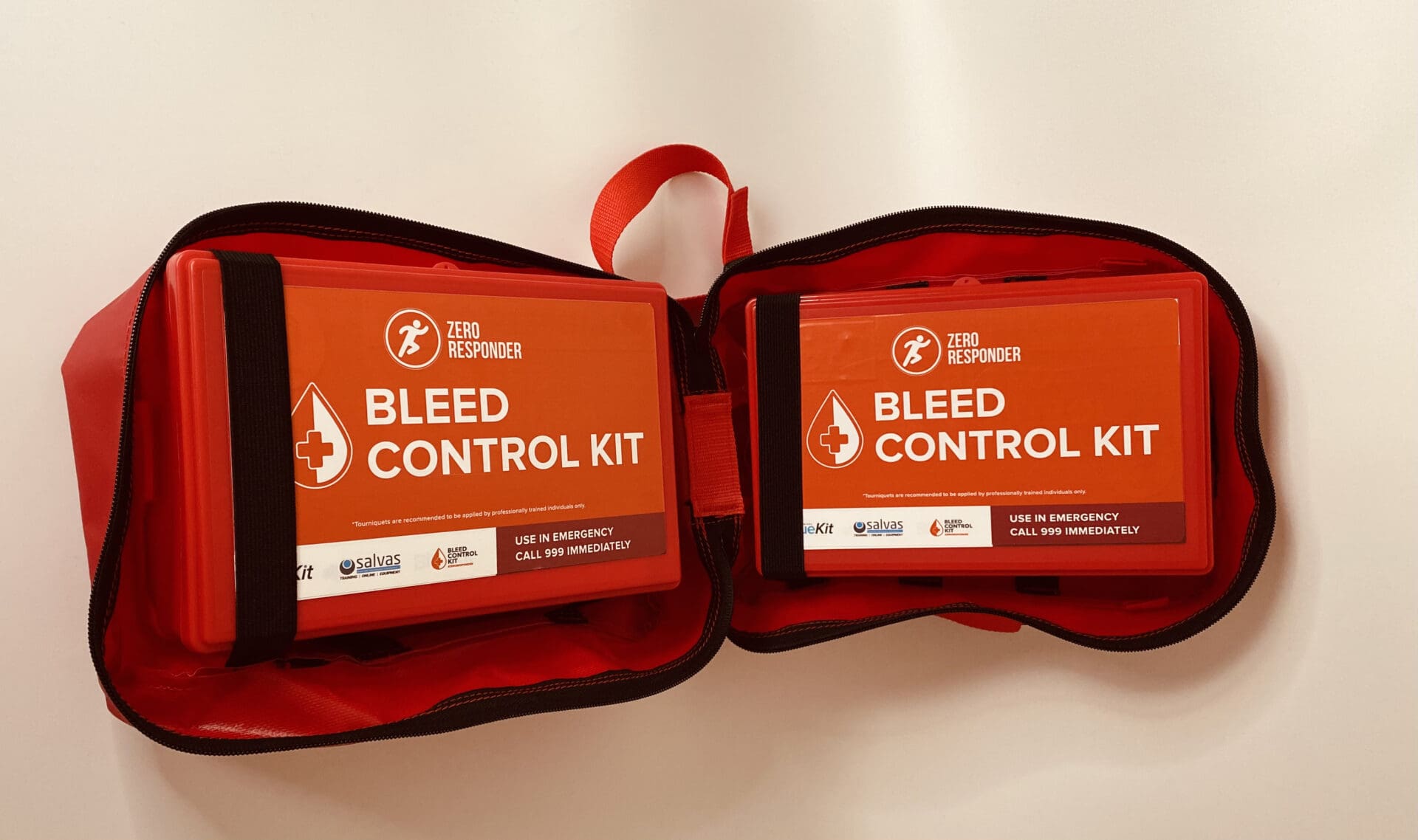
The rollout is a coordinated effort involving local authorities, community groups, and emergency services. By placing these kits in highly visible and accessible locations, such as community centres, leisure hubs, and high-street businesses, the project aims to create a safety net that spans the entirety of Wiltshire. The presence of these cabinets on the walls of public buildings serves as both a practical resource and a reassuring symbol of community resilience. Each kit is equipped with medical-grade supplies, including specialised dressings and tourniquets, which are designed to be used by members of the public with minimal training.
In rural counties like Wiltshire, where response times for emergency services can be influenced by geography and distance, the availability of immediate trauma care is particularly crucial. Experts in emergency medicine have long highlighted the "platinum ten minutes" : the window of time following a major injury where intervention is most likely to result in a positive outcome. By empowering the public to take action during this window, the bleed kit initiative is directly addressing a known challenge in emergency response, providing a lifeline that could make the difference for residents and visitors alike.
Enhancing Public Safety Through Community Accessibility
The strategy behind the placement of these bleed kits focuses on high-traffic areas and locations where people naturally gather. By integrating the kits into the existing infrastructure of Wiltshire’s towns, the project ensures that they are never more than a few minutes away when an emergency strikes. This geographic spread is essential for the effectiveness of the rollout. From the historic streets of Salisbury to the expanding communities of Chippenham and Trowbridge, the goal is to ensure that no resident is left without access to these critical resources.
Each cabinet is housed in a robust, weather-proof container, often finished in a bright, recognisable colour to ensure it can be spotted quickly even in high-stress situations. These cabinets are similar in concept to Public Access Defibrillators, which have already become a common sight across the UK. Just as those devices have revolutionised the response to cardiac arrests, it is hoped that the bleed kits will have a similar impact on the management of traumatic injuries. The simplicity of the kits is one of their greatest strengths; they contain clear, visual instructions that guide the user through the process of applying pressure and using the medical supplies provided.
Local businesses have also played a pivotal role in the rollout, with many volunteering to host the kits on their premises. This partnership between the public and private sectors underscores the community-driven nature of the project. Shopkeepers, library staff, and leisure centre employees are being encouraged to familiarise themselves with the location of the kits, creating a network of informed individuals who can act as a first line of defence. This collective responsibility is a hallmark of the Wiltshire initiative, fostering a sense of shared safety and proactive care.
The Technical Components of Life-Saving Intervention
While the kits are designed for ease of use, the medical supplies they contain are of a high professional standard. A typical kit includes items such as haemostatic dressings, which contain agents that help the blood to clot more quickly, and high-quality tourniquets designed to stop blood flow to a limb in the event of a severe wound. These are tools that were once reserved for combat medics and hospital trauma teams, but are now being put into the hands of the general public to ensure that heavy bleeding can be managed immediately.
The inclusion of chest seals and compression bandages further rounds out the capabilities of each kit. These components are vital for treating a range of injuries, whether caused by accidents, industrial mishaps, or more rare instances of violence. The versatility of the equipment means that the rollout provides a comprehensive solution for trauma management. Beyond the physical tools, the initiative also includes a significant focus on education and awareness. Public demonstrations and information sessions are being planned to demystify the use of the kits and build confidence among the local population.
The psychological impact of having these resources available should not be underestimated. Knowing that a community is prepared for the worst can provide a significant sense of security. The kits are not just about reacting to tragedy; they are about preparedness and the value placed on every human life within the county. As the rollout continues, the presence of these kits will become a standard feature of the Wiltshire landscape, much like fire extinguishers or first aid boxes, reflecting a modern approach to public health and safety.
Strengthening the Chain of Survival Across the Region
The Wiltshire rollout is part of a broader movement across the country to improve the "chain of survival." This concept describes the series of actions that, when executed correctly, increase the chances of a person surviving a life-threatening event. By adding bleed kits as a permanent link in this chain, the county is setting a precedent for proactive emergency planning. The initiative also complements the work of the Wiltshire Air Ambulance and South Western Ambulance Service, providing them with more stable patients upon their arrival at a scene.
Funding for the project has been sourced from a variety of streams, including local council grants, charitable donations, and community fundraising. This diversity of support demonstrates the widespread recognition of the kit’s importance. In many cases, the drive to install a kit has come from personal experiences or a desire to prevent future tragedies. This grassroots momentum ensures that the project remains focused on the needs of the people it serves, with kits being placed exactly where they are needed most based on local knowledge and footfall patterns.
Looking ahead, the success of the Wiltshire rollout will likely serve as a model for other regions. The positive reception from the public and the clear benefits of having such equipment available suggest that this is only the beginning of a larger trend in emergency care. As more kits are installed and more people become aware of their locations, the safety of the county is significantly enhanced. The commitment shown by everyone involved in this project reflects a deep-seated dedication to the well-being of the Wiltshire community, ensuring that when an emergency happens, the lifeline is already in place.