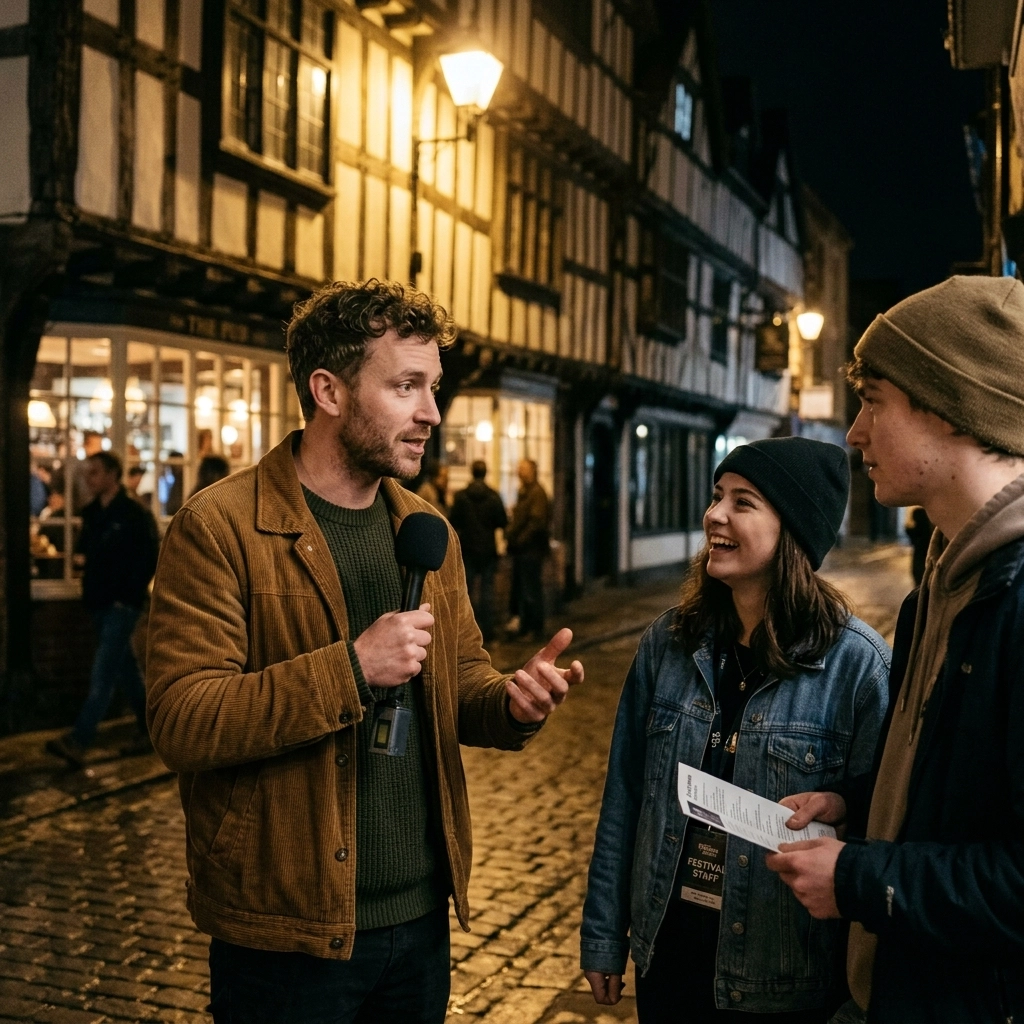
Shrewsbury is a town typically known for its medieval black-and-white buildings, a rather famous statue of Charles Darwin, and the kind of quiet charm that makes retirees flock to its riverside walks. But as we hit May 2026, the Shropshire air isn't just filled with the scent of blooming wisteria; it’s vibrating with the basslines of a town that has decided to become the beating heart of the UK’s grassroots music scene. While the big-ticket festivals are busy charging the price of a small car for a weekend in a muddy field, Shrewsbury is pulling off something much more interesting, much louder, and significantly more vital for the future of British culture.
Loopfest is back, and it’s bigger than a bureaucratic nightmare. We are talking about 250 acts descending upon 40 different venues. If you’ve ever tried to coordinate a group dinner for ten people, you’ll understand that managing 250 bands across a town centre is less of a logistical challenge and more of a feat of absolute madness. But this isn't just about noise for the sake of noise. Behind the feedback and the crowded pub stages lies a sophisticated engine for funding the next generation of artists. This is where the untold stories of the UK’s music scene are being written, one distorted guitar riff at a time.
For anyone following independent news uk, the struggle of grassroots venues is a familiar, albeit depressing, headline. We’ve seen iconic spaces shuttered and replaced by luxury flats that no one can afford. Shrewsbury, however, is flipping the script. Loopfest isn't just a party; it’s a proof of concept. It shows that when you decentralise music and put it back into the heart of the community: in the basements of pubs, the corners of cafes, and the historic squares: you create an ecosystem that can actually sustain itself.
The Sound of the Cobblestones Cracking
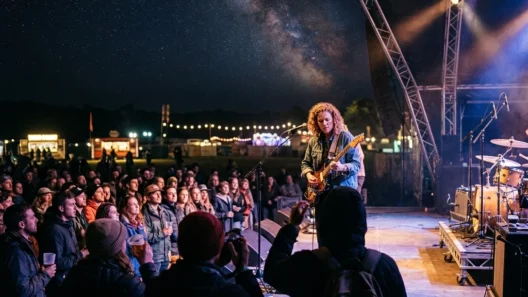
Walking through Shrewsbury during the height of the festivities is like channel-surfing through every genre of music simultaneously. You might start your afternoon with a delicate folk duo in a tea room that looks like it hasn't changed since the 1700s, only to turn a corner and be hit by a wall of industrial techno leaking out of a converted cellar. The sheer scale of 250+ acts means that there is no "headliner" culture here. Every artist is a potential discovery. Every venue is a frontline for new talent.
The beauty of this setup is the lack of barriers. There are no golden circles, no VIP wristbands that cost a month’s rent, and no security guards telling you that you can't bring your own joy into the arena. It’s raw, it’s sweaty, and it’s exactly what the industry needs. By utilising 40 venues, the festival ensures that the entire town benefits. It’s an economic injection that goes straight to the local landlords and small business owners, rather than disappearing into the offshore accounts of a multinational promotions company. This is offbeat culture at its most effective.
But why does this specific model matter so much in 2026? Because the middle ground of the music industry has effectively vanished. You’re either a global superstar playing to a sea of smartphones in a stadium, or you’re a local band playing to your mum and a very confused dog in a nearly empty bar. Loopfest provides that crucial middle tier. It offers a platform where artists can find an audience that actually wants to listen, rather than just wait for the one song they recognise from a car advert.
- Democratic Discovery: It levels the playing field, allowing unknown acts to play alongside established local legends.
- Economic Vitality: It proves that live music is a viable driver for town centre footfall in an era of online shopping.
- Skill Sharing: Through youth DJ workshops, it’s literally building the future of the industry from the ground up.
- Cultural Preservation: By using historic venues, it keeps the town’s heritage alive through modern expression.
- Community Cohesion: It brings together diverse demographics: from the ageing folkies to the teenage ravers.
More Than Just a Gig in a Pub
If Loopfest is the loud, rebellious teenager of the Shrewsbury music scene, the Alan Surtees Trust is the wise, supportive mentor. While the festival provides the stage, the Trust provides the fuel. Founded in memory of the co-founder of the Shrewsbury Folk Festival, the Trust has become a cornerstone of artist development in the region. As of May 2026, the latest round of grants has just closed, and the anticipation is palpable.
These grants aren't just a bit of pocket money. We are talking about awards of up to £2,000 for performers aged 16 to 30. In the world of independent music, £2,000 is the difference between recording a professional EP or continuing to record demos on a cracked iPhone in a bedroom. It’s the difference between buying a reliable tour van or having your career stall on the hard shoulder of the M6. The Trust focuses on those who are UK-based and lack significant financial backing: the real workers of the arts world.
This funding is specifically targeted at folk and traditional arts, but the definition is gloriously broad. It’s about artists who respect the roots but aren't afraid to prune the branches. The connection between Loopfest’s contemporary chaos and the Trust’s traditional support creates a full-circle education in how to survive as a creative in the 21st century.
Then there are the youth DJ workshops. In a world where electronic music is often dismissed as "just pressing buttons," these sessions are teaching young people the technical grit behind the craft. It’s about beat-matching, phrase-alignment, and reading a room: skills that are as much about psychology and physics as they are about art. By giving kids the tools to create their own sound, Shrewsbury is ensuring that its musical future isn't just a repeat of its past. It’s an investment in the untold stories of the next generation of producers.
Securing the Legacy of the Loop
The real secret of Shrewsbury isn't the hidden tunnels or the ghostly myths; it’s the realisation that culture is something you have to actively build, not just consume. As we look at the sitemap of the UK’s cultural landscape, it’s clear that towns like Shrewsbury are becoming the new hubs of innovation. When the big cities become too expensive for artists to live in, the "provinces" become the labs where the new sounds are forged.
Loopfest’s success in 2026 is a bold statement against the homogenisation of the UK high street. Instead of another cookie-cutter coffee chain, Shrewsbury offers a 40-venue assault on the senses. Instead of corporate-sponsored "talent searches" that only look for marketability, the Alan Surtees Trust looks for authenticity. It’s a witty, bold, and slightly chaotic way to run a town, but it’s working.
The impact of this festival goes beyond the weekend. The artists who get their first real break in a packed-out Shrewsbury pub often go on to define the sound of the following year. The funding provided by the Trust allows these "Future Stars" to bypass the gatekeepers and take their art directly to the people. It’s a decentralised, democratic, and deeply British way of doing things.
As the sun sets on another successful day of music in this Shropshire stronghold, it’s clear that the future of the industry isn't in the hands of the streaming giants or the mega-promoters. It’s in the hands of the people who are willing to lug an amp up a narrow flight of stairs in a 15th-century inn. It’s in the hands of the volunteers who manage 250 acts without losing their minds. And most importantly, it’s in the hands of the young artists who now have the funding to turn their whispers into roars.
The secret is out: Shrewsbury isn't just a town with a lot of history. It’s a town that’s making sure the future of British music sounds exactly like it should: independent, unfiltered, and incredibly loud. By supporting grassroots artists and investing in youth, this corner of the UK is proving that with the right funding and a lot of grit, the next big thing doesn't have to come from London. It might just come from a pub around the corner.