Nanyuki is a town that sits almost exactly on the equator, right in the shadow of Mount Kenya. It is a place of breathtaking beauty, dust, and a very specific kind of international tension. For decades, it has served as the hub for the British Army Training Unit Kenya (BATUK). Thousands of British soldiers cycle through here every year, bringing with them a boost to the local economy and, as it turns out, leaving behind a legacy that cannot be packed into a kit bag. This isn't about forgotten equipment or spent shell casings; it is about a generation of children: now adults, some even grandparents: who have spent their entire lives wondering why their fathers vanished as soon as their deployment ended.
This is one of those untold stories that hits differently. While official history focuses on military cooperation and strategic alliances, the human reality on the ground in Nanyuki tells a much messier story. It is a story of power dynamics, colonial hangovers, and a desperate, decades-long search for the truth. In the realm of independent news UK, these are the narratives that often slip through the cracks of mainstream reporting until the evidence becomes impossible to ignore. A major investigation has recently brought these "ghost children" into the light, revealing a staggering scale of abandonment and a ground-breaking use of DNA technology to bridge the gap between Kenya and the UK.
For many of these children, growing up was a exercise in navigating a void. They were often marked by their mixed-race heritage in communities where their paternity was an open secret but an unspoken shame. The British soldiers were there, then they were gone, and the mothers were left to pick up the pieces in a society that wasn't always kind to those left behind by the "mzungu" (foreigners). The quest for identity isn't just about a name on a birth certificate; it’s about the fundamental human right to know where: and who: you come from.
The Scale of the Abandoned
The investigation into the activities of British personnel in Nanyuki has uncovered a reality that spans over seventy years. We aren't talking about a few isolated incidents; we are looking at a systemic pattern of behaviour that has left nearly 100 children searching for their fathers. These children range from toddlers to septuagenarians, proving that this isn't just a historical footnote: it is an ongoing crisis of accountability.
- A Seven-Decade Timeline: The stories of abandonment stretch back to the 1950s, through the end of the colonial era, and right up to the modern day.
- The BATUK Influence: The British Army Training Unit Kenya is one of the UK’s largest overseas training bases. The sheer volume of troops passing through Nanyuki created a revolving door of personnel, making it incredibly easy for men to disappear once their stint was over.
- The Power Imbalance: In many cases, the relationships occurred between young, well-funded British soldiers and local Kenyan women who lacked the resources or legal standing to pursue the men once they returned to the UK.
- Social Ostracisation: The children born of these unions often faced significant challenges growing up, caught between two worlds and frequently denied the support of their father’s home country.
- A Lack of Records: For years, the official stance appeared to be one of "don't ask, don't tell," with very little assistance provided by military authorities to help families track down missing fathers.
This investigation highlights a uncomfortable truth about military presence in post-colonial spaces. While the training missions are framed as beneficial for both nations, the personal fallout is rarely factored into the cost of operations. The "soldier dad" phenomenon is a living reminder of the lingering effects of Britain's military footprint in East Africa. For the people of Nanyuki, the British Army isn't just a strategic partner; it is the reason for a thousand unanswered questions.
The Digital Bloodline Detectives
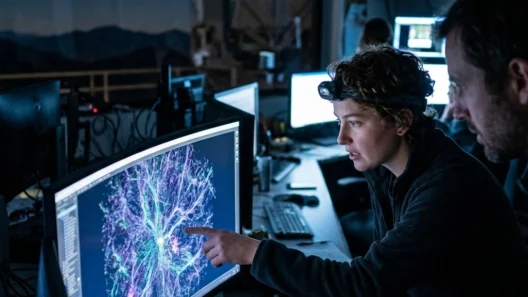
In the past, a soldier who didn't want to be found could simply change his address and wait for time to blur the memories. But we live in the age of the algorithm. The most fascinating aspect of this search for identity is how modern science is dismantling decades of silence. DNA ancestry databases, once used by hobbyists to find out they are 2% Viking, are now being weaponised for social justice.
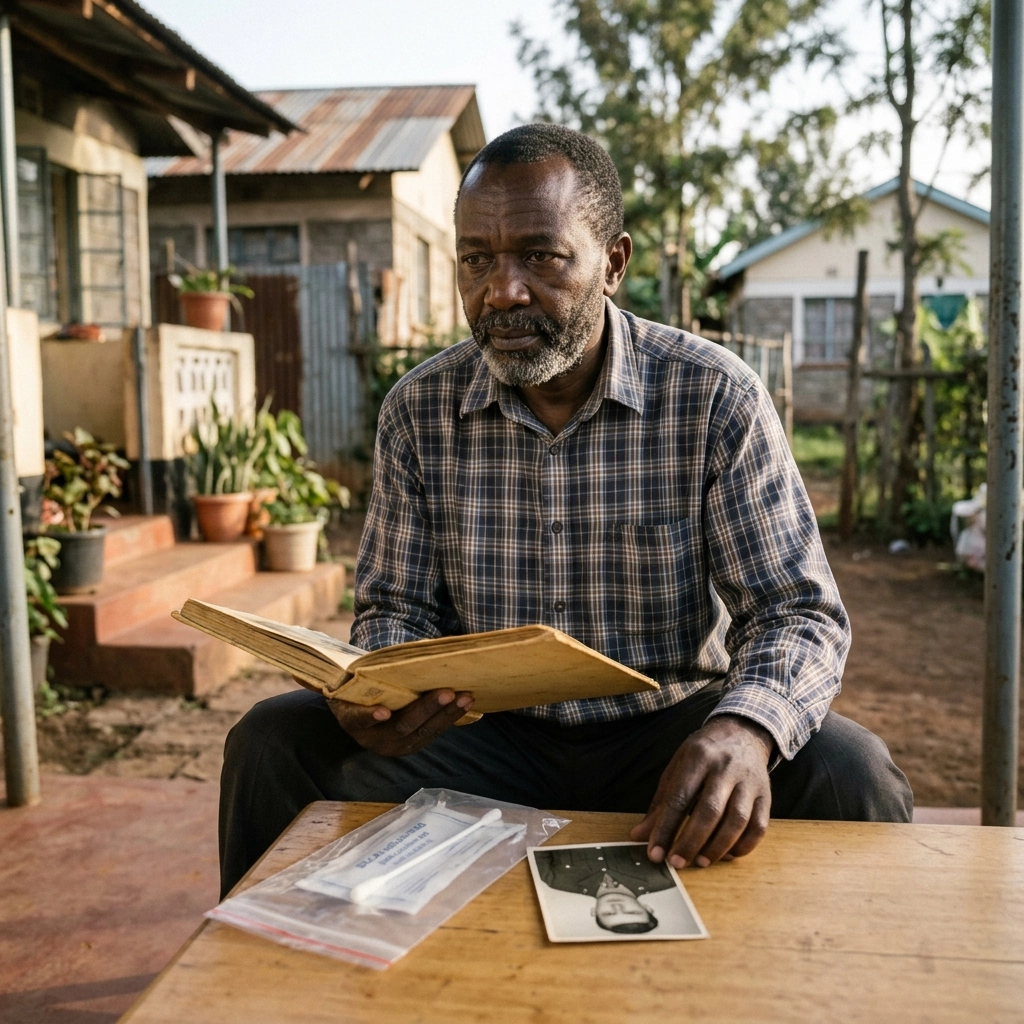
- DNA as a Witness: Unlike human memory or paper records, DNA doesn't lie and it doesn't forget. Geneticist Denise Syndercombe Court has been instrumental in using these databases to provide scientific proof of paternity where none existed.
- The Legal Hawks: Lawyers like James Netto in the UK and Kelvin Kubai in Kenya are taking these genetic matches and turning them into legal leverage. Their message is clear: your DNA is out there, and eventually, it will lead back to you.
- The Match Process: By comparing the DNA of Kenyan children with vast international databases, investigators have been able to find cousins, siblings, and eventually, the fathers themselves: sometimes living quiet, suburban lives in the UK, entirely unaware that their past has caught up with them.
- Confronting the Past: The investigation isn't just about finding a name; it’s about confrontation. In some cases, former soldiers have been faced with the reality of the children they left behind, leading to a range of reactions from tearful reunions to cold denials.
- The "World of Secrets": This methodology has exposed how the military hierarchy often failed to act even when mothers tried to reach out through official channels, highlighting a culture of protectionism over personal responsibility.
The use of DNA in this context is a game-changer for untold stories across the globe. It shifts the burden of proof from the victim to the perpetrator. In Nanyuki, the phrase "we will find you" has taken on a literal, biological meaning. It’s no longer just a mother’s word against a soldier’s silence; it’s a genetic match that cannot be argued away. This technological bridge is finally giving these families the evidence they need to demand recognition.
A Right to Identity and Accountability
At the heart of the "Soldier Dad" saga is the "right to identity." This isn't just a philosophical concept; it is a fundamental human right. Knowing your heritage is essential for medical history, legal status, and psychological well-being. For the children of Nanyuki, being denied this right for so long has been a form of structural violence. They have been denied the ability to know their full selves, often living in poverty while their fathers enjoyed the benefits of a UK pension and citizenship.
- The Human Cost: Beyond the legalities, there is the emotional toll. Stories like those of Cathy and Yvonne show the heartbreak of discovering a father is alive and well, but has chosen to remain a stranger.
- The Poverty Trap: Many of these children grew up without the financial support that should have been provided by their fathers, leading to cycles of hardship that have lasted for generations.
- The Demand for Justice: The goal of many involved in the quest is not just a greeting, but accountability. This includes potential claims for child support, inheritance rights, and even British citizenship for those who were fathered by UK nationals.
- Institutional Responsibility: The British Ministry of Defence has faced increasing pressure to address these claims. While they maintain that these are private matters, the scale of the issue suggests a need for a more formalised system of redress.
- The Power of Narrative: By telling these stories, the people of Nanyuki are reclaiming their place in history. They are no longer just the "collateral damage" of military training; they are individuals with a voice and a valid claim to their father's legacy.
The quest for identity in Kenya is far from over, but the tide is turning. As more DNA matches come in and more stories are shared through independent news UK platforms, the wall of silence is crumbling. The British army’s presence in Kenya will always be a complex subject, but the human lives left in the wake of that presence deserve more than just an apology. They deserve the truth.
The search for "Soldier Dad" is a testament to the resilience of those who refuse to be forgotten. It is a reminder that in the modern world, the past is never truly buried: it’s just waiting for the right technology to dig it up. For the children of Nanyuki, the DNA results are more than just data; they are the keys to a door that has been locked for seventy years. As these stories continue to emerge, the hope is that accountability will finally follow, ensuring that the "right to identity" becomes a reality for every child left behind.