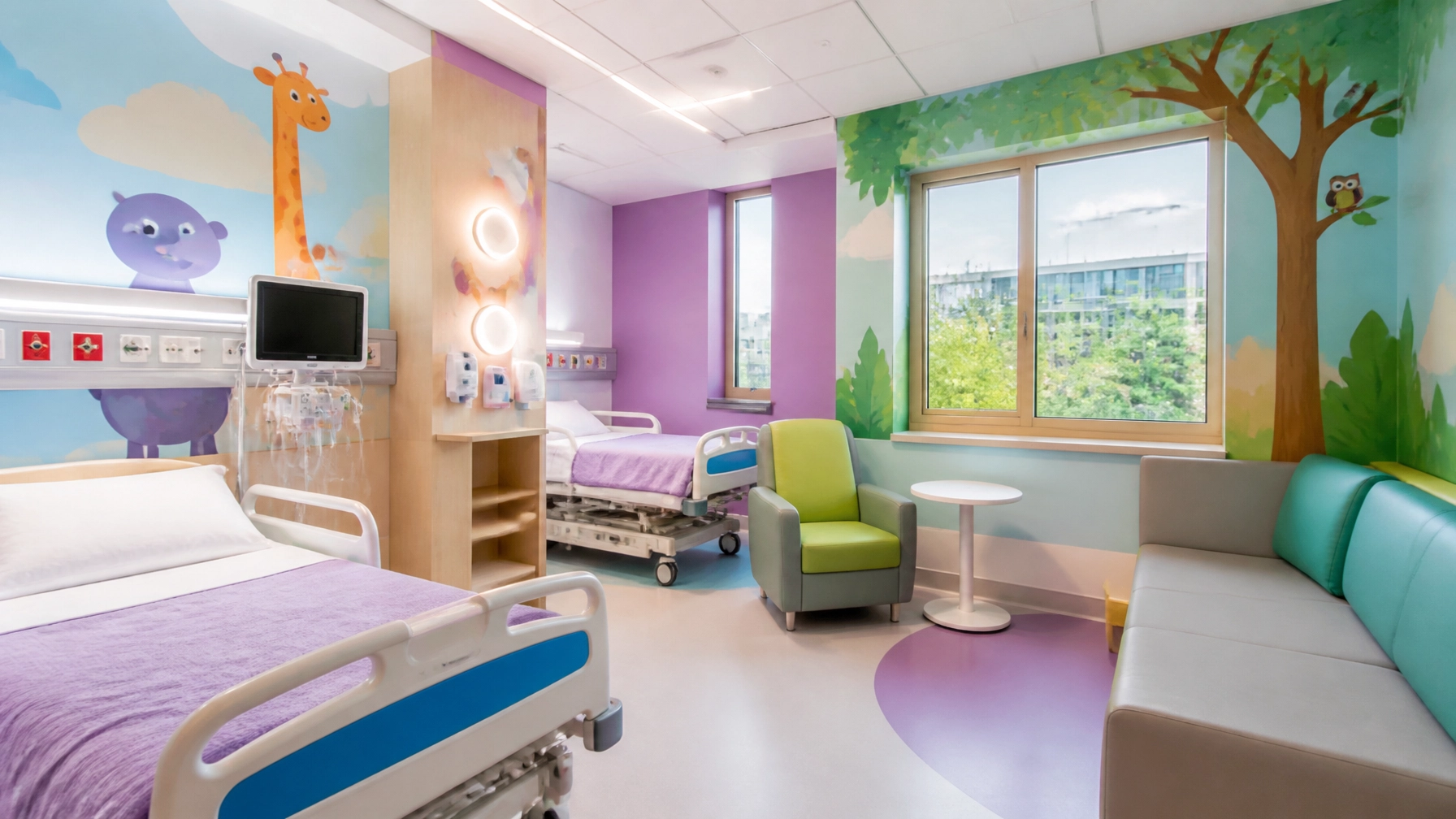
Young patients at Frimley Park Hospital have been given a unique reason to smile following the official launch of the Taskmaster Hospital Club. The initiative, fronted by the show’s creator and star Alex Horne, aims to bring the whimsical and often surreal world of the hit television programme directly to the bedside of children undergoing treatment. By transforming the traditional hospital environment into a theatre of creativity and play, the project seeks to alleviate the stress and boredom often associated with long-term paediatric care.
The programme is a collaborative effort between Taskmaster Education, Avalon, and NHS England. It marks a significant shift in how hospitals approach patient engagement, moving beyond traditional play therapy to offer something that resonates with the modern cultural zeitgeist. Alex Horne himself visited the Surrey-based hospital to kick off the project, meeting with staff and families to see firsthand how the "Taskmaster" spirit can be adapted for a clinical setting. The launch included a series of bespoke tasks designed specifically for children who may have limited mobility or be confined to their hospital beds.
At its core, the Taskmaster Hospital Club is designed to provide a much-needed distraction. For many children, a hospital stay can be an isolating experience, defined by clinical routines and a lack of agency. The introduction of creative challenges allows these young patients to reclaim a sense of autonomy and fun. Whether it is creating the most impressive sculpture out of medical-safe materials or inventing a new way to deliver a message across the ward, the tasks encourage lateral thinking and laughter in a setting where both can sometimes be in short supply.
Bringing the Taskmaster Spirit to the Bedside
The transition from a high-energy television studio to a quiet paediatric ward required careful planning and a deep understanding of the needs of young patients. Taskmaster Education has spent years developing ways to bring the show’s format into schools, but the hospital environment presented a unique set of challenges. Every task must be accessible, safe, and inclusive, ensuring that every child, regardless of their medical condition, can participate and feel a sense of achievement.
The tasks provided to the children at Frimley Park were a mix of pre-recorded video instructions from Alex Horne and live facilitation by the hospital’s own health play specialists. These specialists, who play a vital role in the recovery and wellbeing of paediatric patients, have been trained to act as the "Taskmasters" on the ground. They judge the entries with the same mix of arbitrary logic and good-natured humour that has made the television show a global success. This interaction between staff and patients helps to break down the traditional hierarchies of a hospital, fostering a sense of community and shared joy.
One of the standout elements of the launch was the inclusion of tasks that could be completed with minimal equipment. In an environment where space and resources are often constrained, the ability to turn everyday objects into tools for creativity is essential. Children were encouraged to use their imagination to solve problems, often resulting in hilarious and unexpected outcomes. This process not only provides entertainment but also helps to stimulate cognitive function and emotional resilience, both of which are crucial for children facing health challenges.
A New Era of Paediatric Engagement
The success of the pilot at Frimley Park Hospital has provided a blueprint for how creative arts can be integrated into the NHS. Historically, play therapy has been a staple of paediatric care, but the Taskmaster Hospital Club represents a more structured and modern approach. By leveraging a well-known brand, the NHS is able to engage with older children and teenagers who might otherwise feel they have outgrown the toys and games typically found in hospital playrooms.
For the staff at Frimley Park, the impact was immediate. Health play specialists reported a noticeable shift in the atmosphere of the wards during the Taskmaster sessions. The usual focus on medicine and monitoring was temporarily replaced by discussions about the "best" way to complete a task. This shift is not just about fun; it has tangible benefits for the delivery of care. When patients are more relaxed and engaged, they are often more cooperative with their treatment plans, leading to better overall outcomes and a more positive experience for the families involved.
The partnership with NHS England has been instrumental in ensuring that the programme is grounded in clinical reality. It is not just about entertainment; it is about social prescribing and the recognition that mental health and emotional wellbeing are intrinsically linked to physical recovery. By providing a platform for creativity, the Taskmaster Hospital Club is helping to address the holistic needs of young patients. The enthusiasm shown by the staff at Frimley Park suggests that there is a significant appetite for this kind of innovative engagement across the wider health service.
National Rollout and the Power of Play
Following the successful implementation at Frimley Park, the Taskmaster Hospital Club is now set to be rolled out to children’s wards across the country. This expansion is made possible through the NHS Futures platform, which provides hospital staff with free access to the necessary resources, including video content and written packs. The goal is to make the programme as easy as possible for busy ward staff to implement, ensuring that as many children as possible can benefit from the initiative.
The national rollout signifies a growing recognition of the importance of the arts in healthcare. As the NHS continues to face significant pressures, finding low-cost, high-impact ways to improve the patient experience is more important than ever. The Taskmaster Hospital Club is a prime example of how collaboration between the creative industries and the public sector can lead to meaningful change. It demonstrates that even in the most serious of environments, there is always a place for play, curiosity, and a bit of nonsense.
Looking ahead, the team behind the project hopes that it will inspire further innovation in paediatric care. The feedback from the initial sessions has been overwhelmingly positive, with parents expressing gratitude for the way the tasks have brightened their children’s days. As the programme reaches more hospitals, the collective "Taskmaster" community will continue to grow, creating a national network of creativity that transcends the walls of individual wards. For the young patients involved, the project offers more than just a game; it offers a reminder that they are children first, and patients second.