Economic abuse remains one of the most insidious and least understood forms of domestic control in the United Kingdom. While physical and emotional abuse often take centre stage in public discourse, the quiet strangulation of a person’s financial independence can be just as devastating. Recent research has shed light on a worrying trend where women, trapped by coerced debt and financial restriction, are being pushed into the arms of illegal money lenders. These loan sharks, operating in the shadows of local communities, offer a desperate lifeline that quickly turns into a secondary trap, compounding the trauma already inflicted by an abusive partner.
The scale of the problem is vast. Current statistics suggest that one in five women in the UK has experienced some form of economic abuse. This equates to approximately 5.5 million individuals who have had their bank accounts restricted, their credit scores ruined, or their earnings confiscated. For many, the situation is not merely about a lack of money, but a total loss of agency. When a partner controls every penny, the victim is left with no means to escape, no way to feed their children, and no path toward a life of safety.
New data released in May 2026 highlights the specific link between this form of abuse and the rise of illegal lending. The research, which focused on the phenomenon of coerced debt, revealed that a significant number of women are being forced to take out loans they do not want or cannot afford. When traditional banks and credit providers become inaccessible due to a ruined credit history: often orchestrated by the abuser: the only remaining option is the local loan shark. These predatory lenders do not require credit checks or formal documentation, making them an attractive, albeit dangerous, prospect for someone in a state of financial desperation.
The Mechanics of Coerced Debt and Financial Isolation
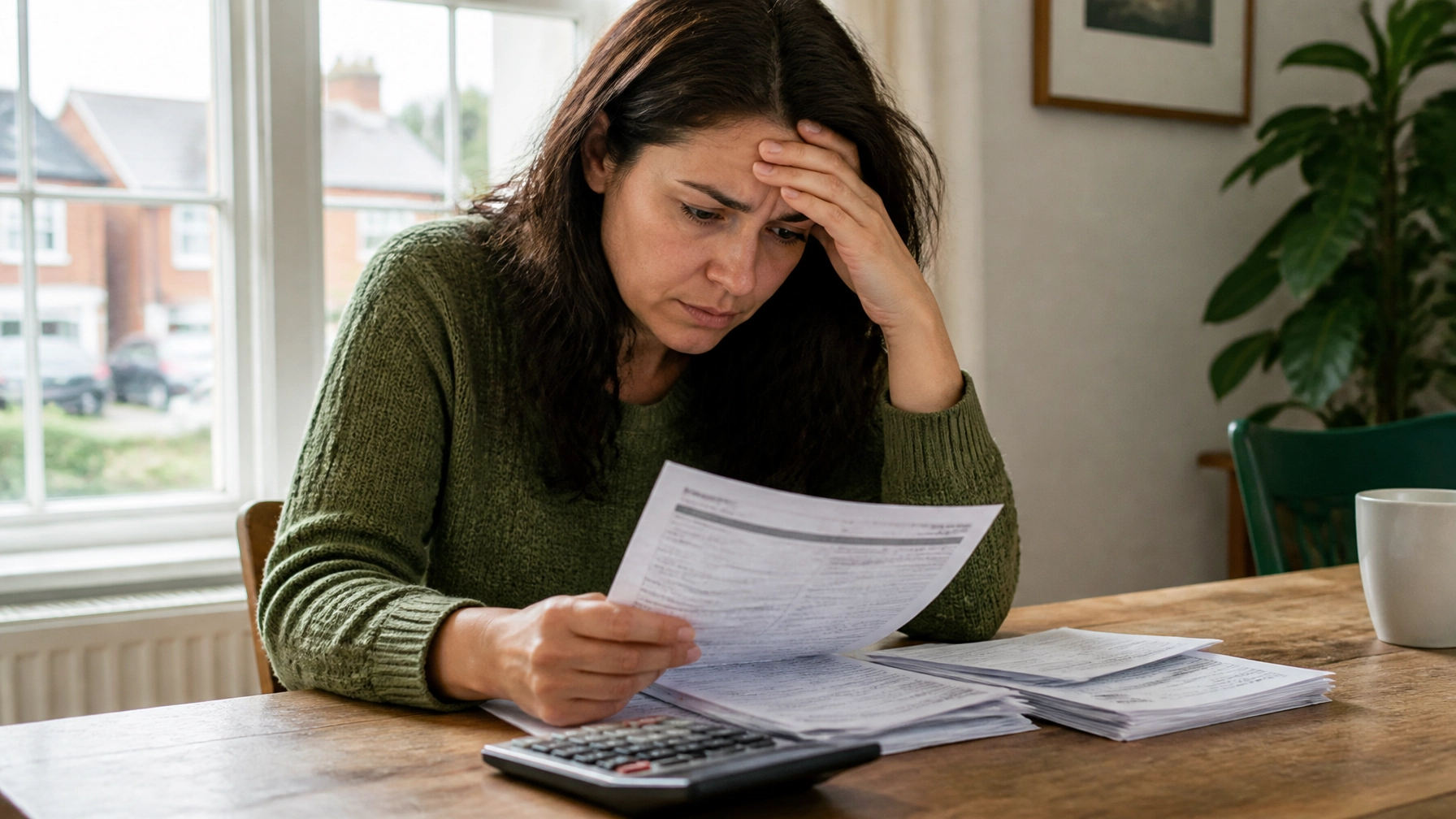
Coerced debt is a primary tool used by abusers to maintain long-term control over their victims. It occurs when a partner takes out credit cards, loans, or hire purchase agreements in the victim's name without their consent, or through the use of threats and intimidation. In many cases, the victim may not even be aware that the debt exists until they receive a default notice or a visit from a debt collector. By the time the abuse is discovered, the victim’s credit rating is often destroyed, making it impossible for them to secure a rental agreement, a mobile phone contract, or even a basic bank account.
The impact of this financial sabotage is profound. It creates a state of "economic "entrapment," where the victim is tethered to the abuser by a mountain of debt that they cannot legally or practically manage. Abusers often exploit everyday banking tools to monitor and restrict movement. This might include taking control of passwords, demanding receipts for every penny spent, or forcing the victim to deposit their wages into a joint account to which they have no access. Without financial resources, the physical act of leaving an abusive relationship becomes almost impossible.
For women from marginalised backgrounds, the barriers are even higher. Research indicates that women from Black, Asian, and ethnic minority communities experience economic abuse at nearly twice the rate of their white counterparts. Language barriers, precarious immigration status, and a lack of familiarity with the UK financial system can all be exploited by an abuser to deepen the isolation. In these circumstances, the threat of being "reported" or losing one's children if debts are not paid is a powerful deterrent against seeking help from official channels.
The Predator in the Neighbourhood: Why Loan Sharks?
When the formal financial system shuts its doors, the informal economy steps in. Loan sharks are not a relic of the past; they are a growing presence in UK housing estates and online social media groups. They often present themselves as "friendly" neighbours or acquaintances who are willing to help out with a bit of cash for school uniforms, groceries, or utility bills. However, this facade of kindness quickly evaporates once the first payment is missed. Interest rates charged by illegal lenders can reach thousands of per cent, ensuring that the debt is never truly paid off.
For a woman experiencing economic abuse, a loan shark might seem like the only way to meet the immediate needs of her family without alerting her abusive partner. Because the loan is "off the books," it can be hidden more easily than a bank statement or a digital transfer. However, this secrecy is exactly what the loan shark relies on. If the victim cannot pay, the lender may use physical violence, threats against family members, or even sexual exploitation as a means of "repayment."
The overlap between domestic abuse and illegal lending creates a dual layer of victimisation. The woman is effectively being controlled by two different predators at once. The abuser controls her daily life and access to resources, while the loan shark controls her future through the threat of escalating debt and violence. This cycle is incredibly difficult to break because the victim often feels a sense of shame or guilt for having turned to an illegal lender in the first place, or they fear that involving the police will result in their own prosecution for illegal borrowing.
Breaking the Cycle and Seeking Support
Addressing the link between economic abuse and loan sharks requires a coordinated response from the government, the financial sector, and support services. In recent years, there has been progress in how banks identify and respond to financial abuse. Many major UK banks have now established specialist teams trained to recognise the signs of coercion and help victims regain control of their accounts. This include the ability to "reset" security details without the partner's knowledge and, in some cases, to separate joint debts.
However, the challenge of coerced debt remains a legal grey area. Currently, it is often difficult for a survivor to prove that a debt was taken out under duress. Without clear evidence of a crime, debt collection agencies may continue to pursue the victim for years, long after they have left the abusive relationship. Reform is needed to ensure that debts incurred through coercion are treated with the same weight as identity theft or fraud, allowing survivors a clean slate to rebuild their lives.
Community-based initiatives are also vital. Organisations such as the Scottish Illegal Money Lending Unit and Trading Standards have been working to raise awareness of the "Purple Phone" helplines and other confidential ways to report loan sharks. The goal is to shift the narrative from one of shame to one of protection. Survivors need to know that they are not responsible for the debts forced upon them and that there are safe, legal routes out of financial ruin. Education on financial literacy and the rights of consumers can also empower women to recognise the early warning signs of economic abuse before it escalates into a crisis.
Economic abuse is a quiet epidemic that thrives on silence and complexity. By understanding the link between domestic control and illegal lending, society can better support those who are currently trapped. The path to recovery for a survivor is not just about finding a safe place to live; it is about reclaiming the right to manage one's own future. Financial independence is more than just having money in a bank account; it is the foundation of freedom and the ultimate counter to the shadow of abuse.